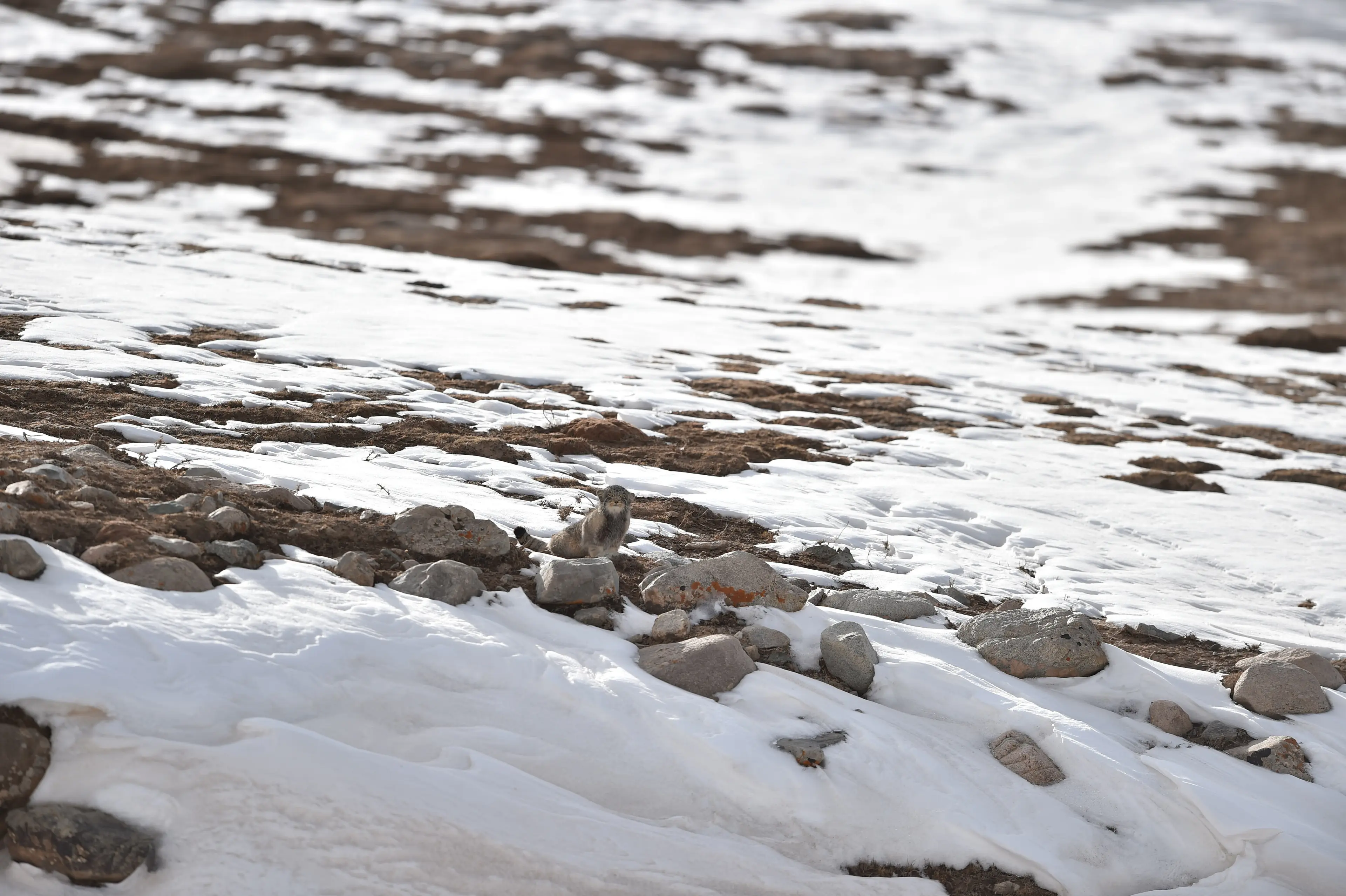
The first thing we noticed was the expression.
Through the long lens, the Pallas’s cat seemed to stare straight back at us—round face, low ears, dense fur and that unmistakable look that has made the species famous far beyond the plateau.
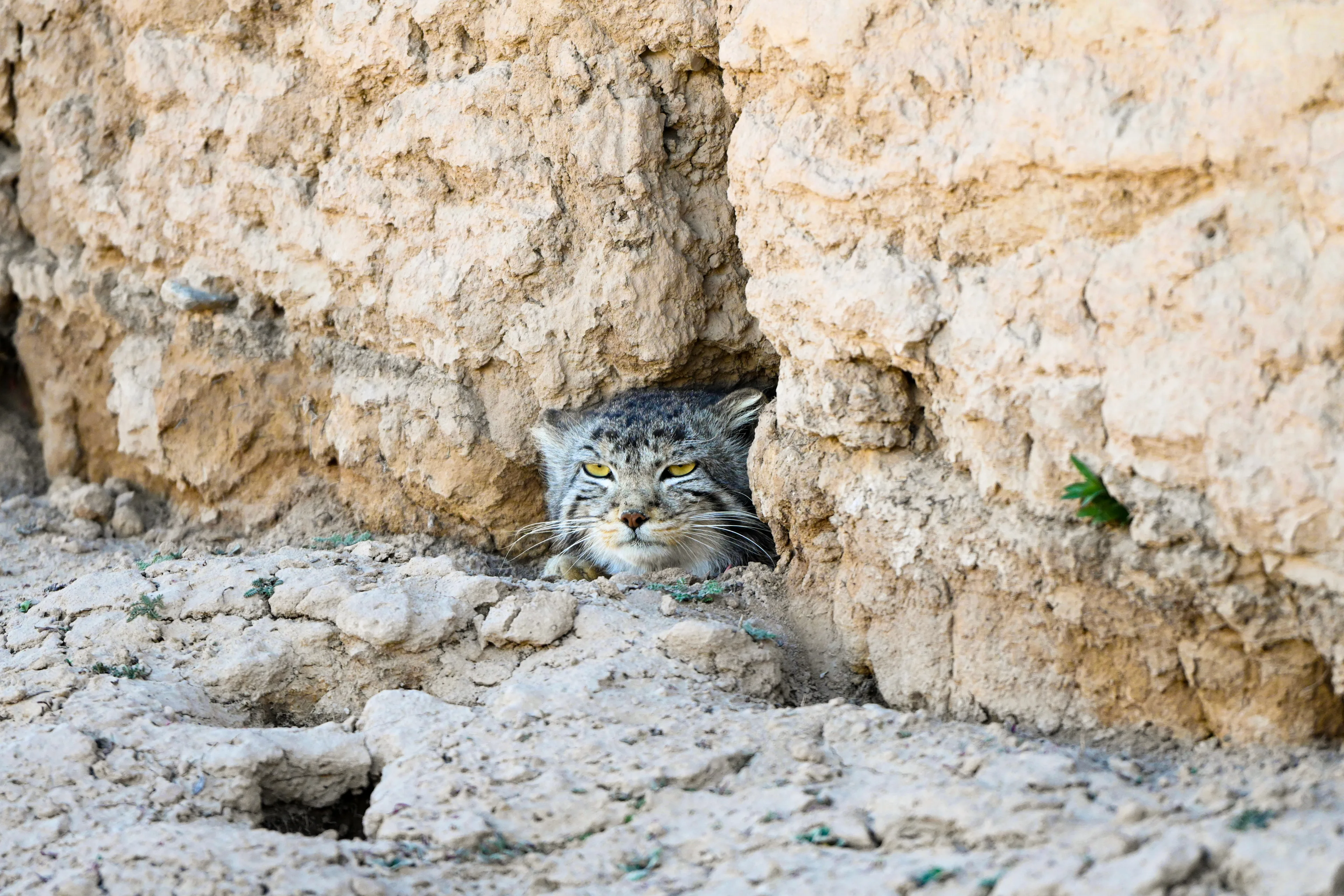
In the field, though, the humor quickly gives way to respect. A Pallas’s cat is small, and the landscape around it is enormous. Rock, dry grass and shadow can hide the animal so well that a tiny change of posture is enough for it to disappear again.
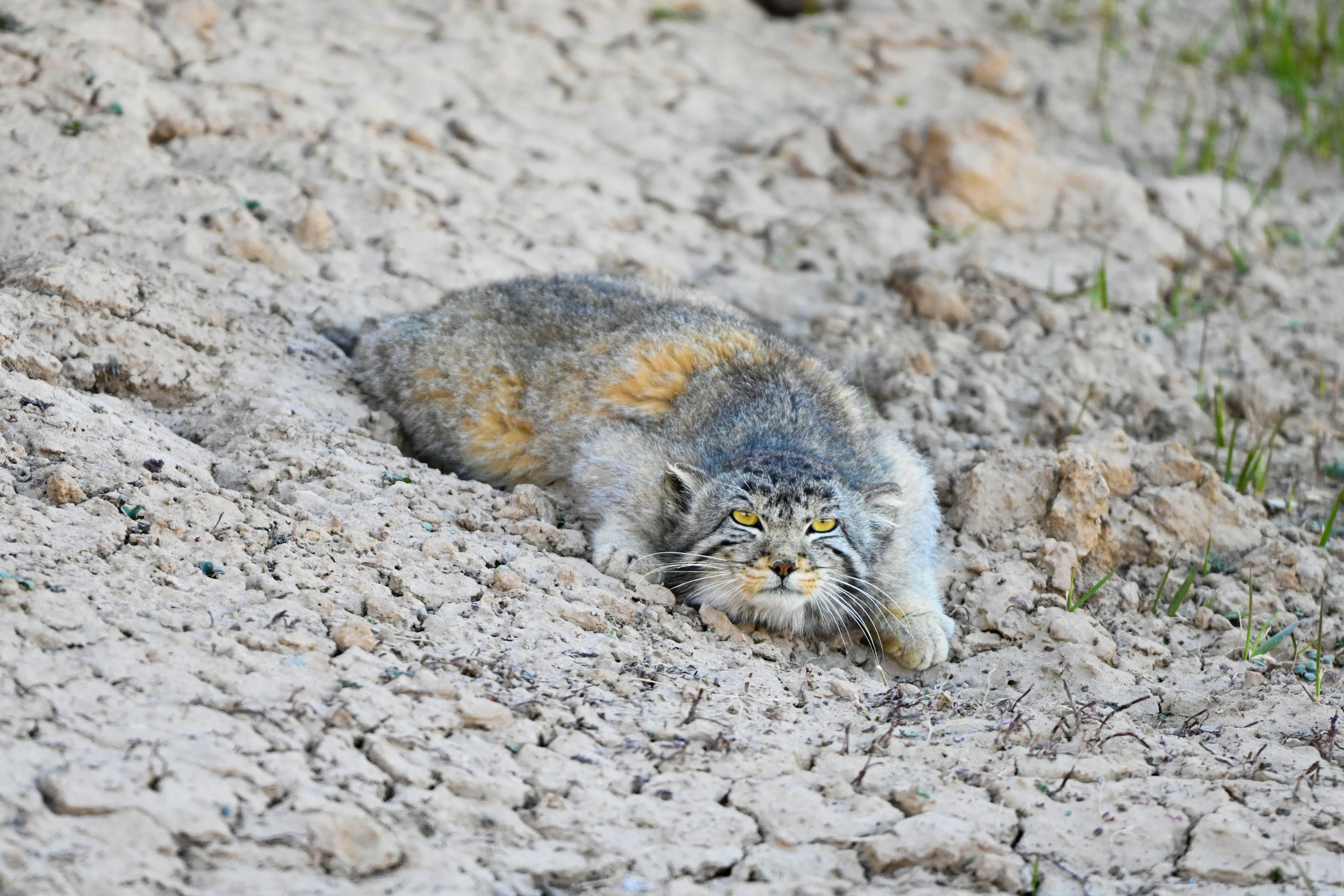
We stayed where we were and watched rather than trying to push closer. That distance gave us something better than a forced close-up: the chance to see how naturally the cat fitted into the terrain.
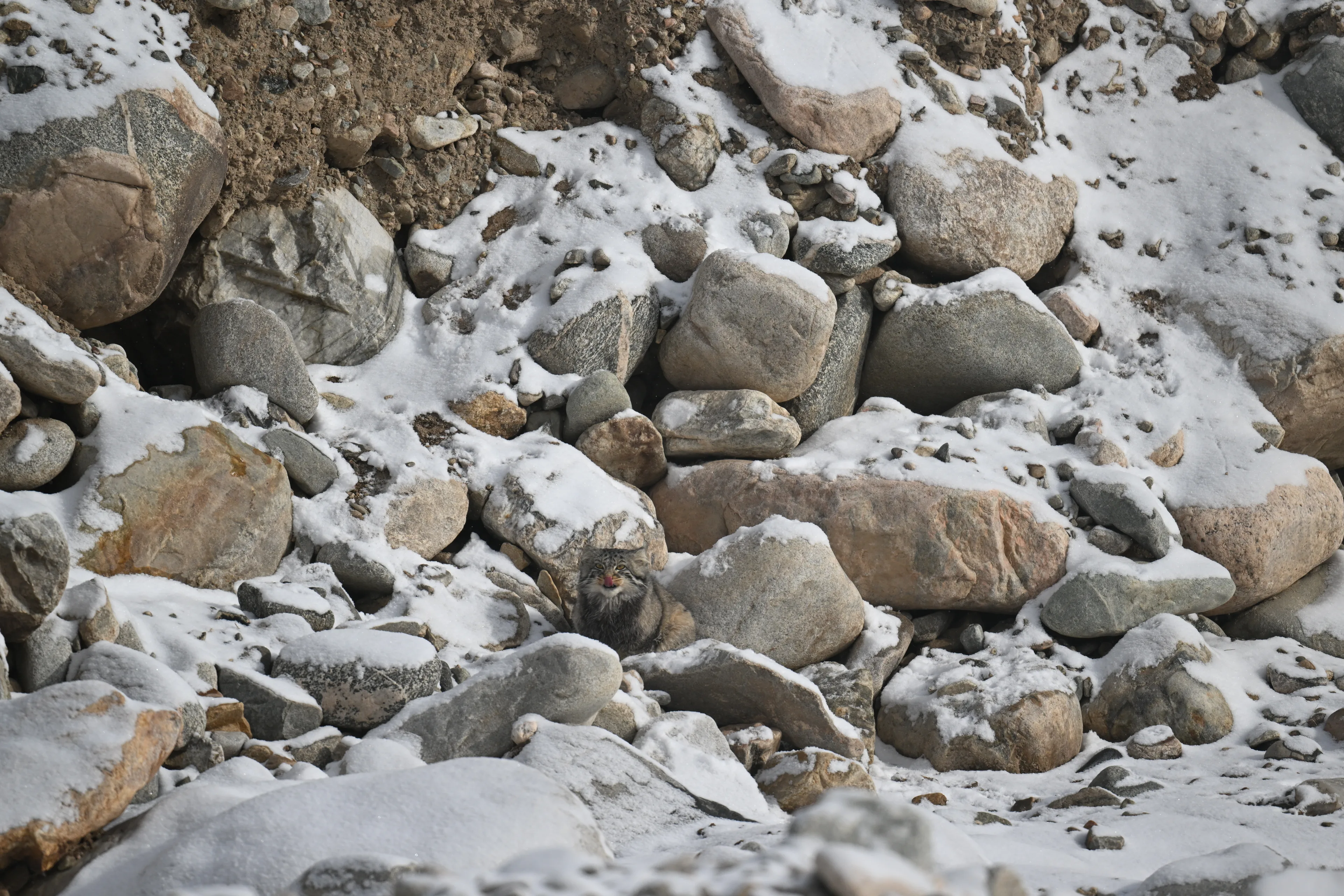
The plateau can look empty when you first arrive. Spend enough time scanning it and the emptiness starts to break apart—pikas, raptors, foxes and, if you are fortunate, a small wild cat sitting among the rocks.
The photograph captured the stare. What stayed with us was how easily the animal could have remained completely unseen.