
Day 1
Arrive in Chengdu
Arrive in Chengdu, settle in, and begin with a gentle introduction to Sichuan before the route moves deeper into reserve country. Depending on arrival time, there is room for a short city walk and an easy first meal together.

13 days · Sichuan & Qinghai
Travel from Sichuan’s panda forests to Qinghai’s snow leopard country on a wildlife journey linking red pandas, takins, golden snub-nosed monkeys, plateau mammals, and remote high-altitude habitats.
Duration
13 days
Region
Chengdu, Bifengxia Panda Base, Labahe, Tangjiahe, Pingwu, Ruoergai, Jiuzhi, Xiangride, Gouli, Golmud
Group Type
Private or small group
Best Time
Every spring and autumn
Price
On Request
Overview
Begin with giant pandas at Bifengxia, then explore the forest reserves of Labahe and Tangjiahe for red pandas, takins, monkeys, pheasants, and other mountain wildlife. Continue through Pingwu, Ruoergai, and the lakes and grasslands of the Qinghai Plateau before reaching Gouli, where patient field sessions focus on snow leopards and their prey.
Highlights
Explore two contrasting conservation landscapes: the Giant Panda National Park in Sichuan and the snow leopard habitat of Gouli in Qinghai.
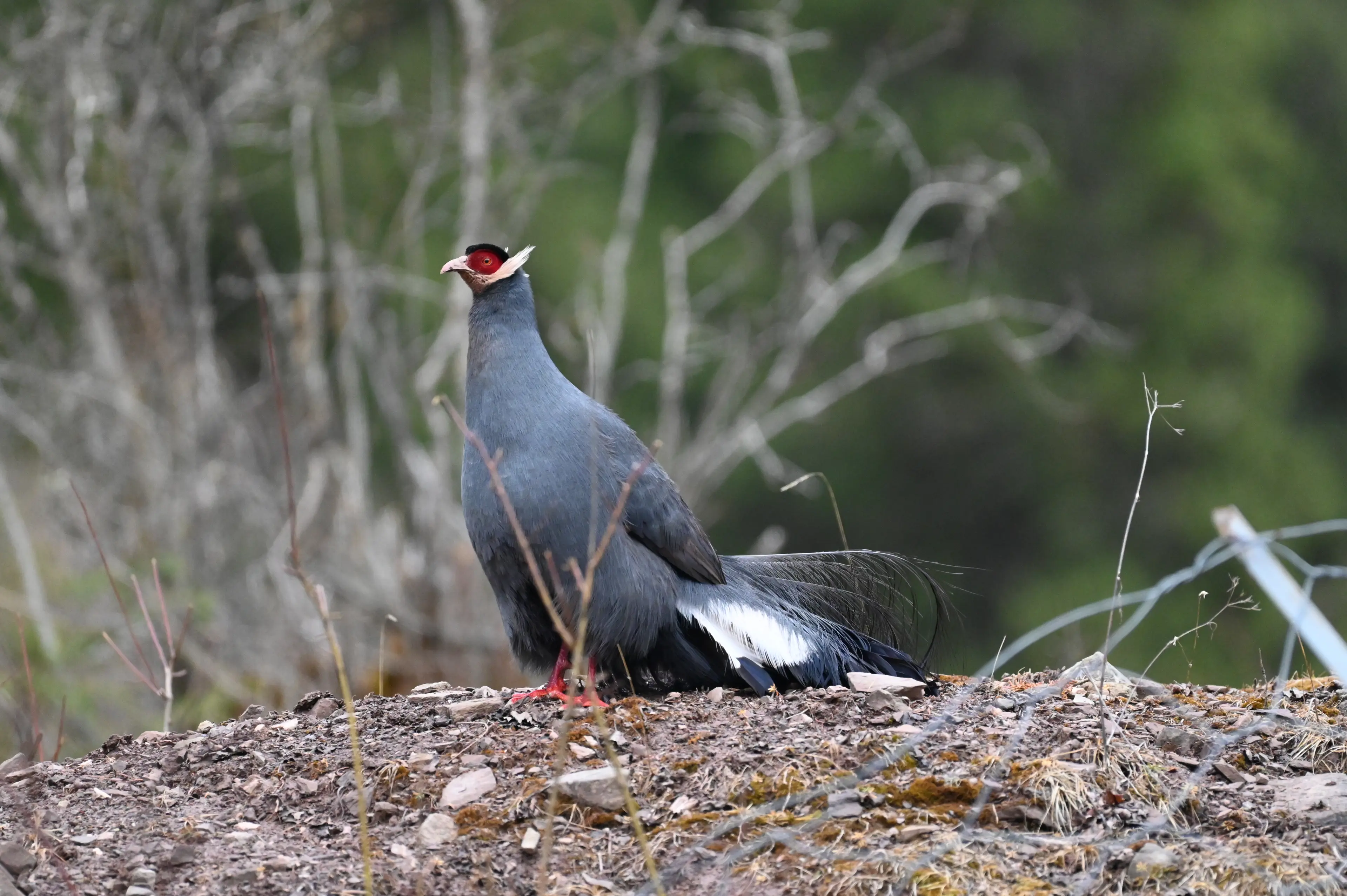
Search for red pandas, takins, golden snub-nosed monkeys, forest mammals, pheasants, and nocturnal wildlife in Labahe and Tangjiahe.
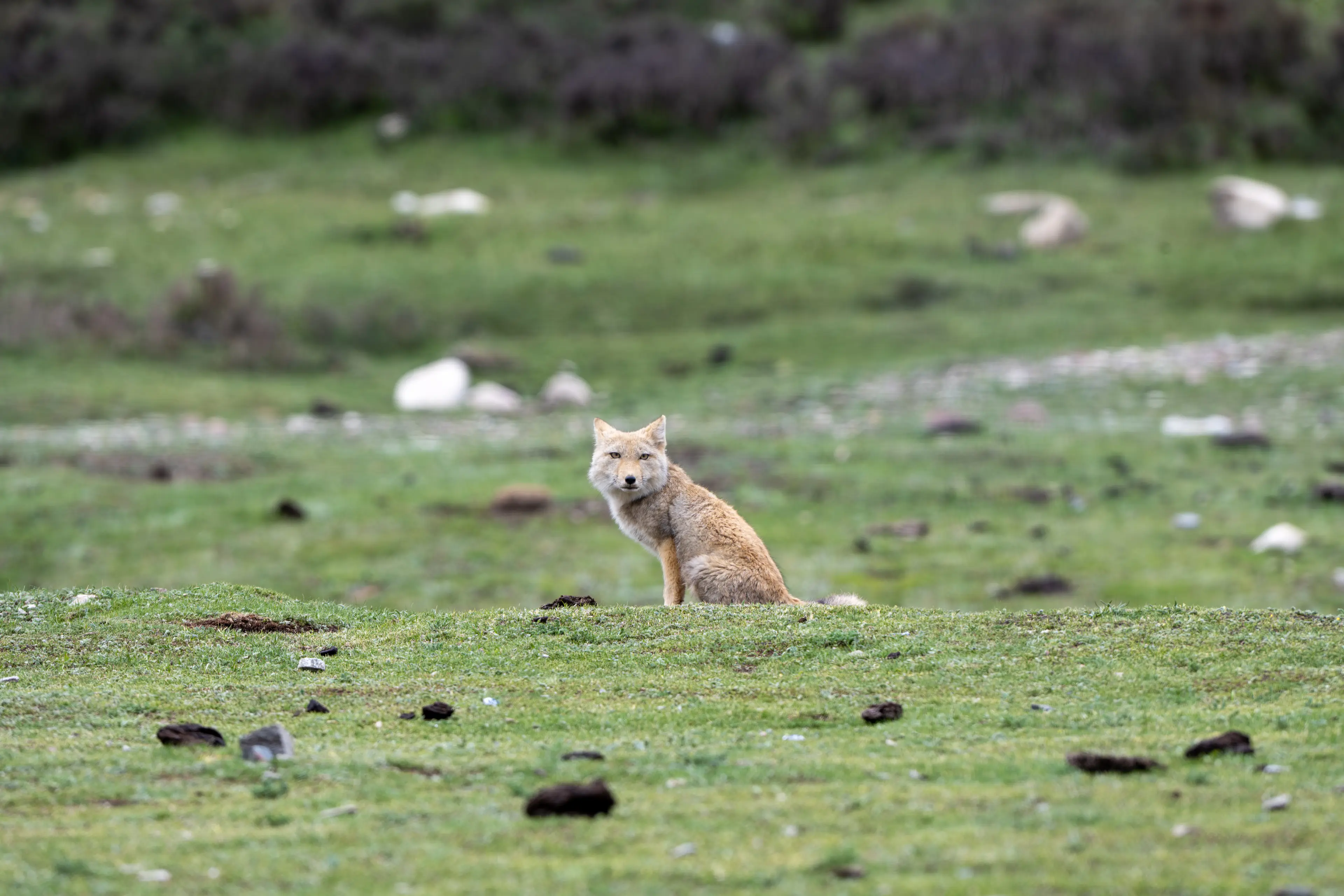
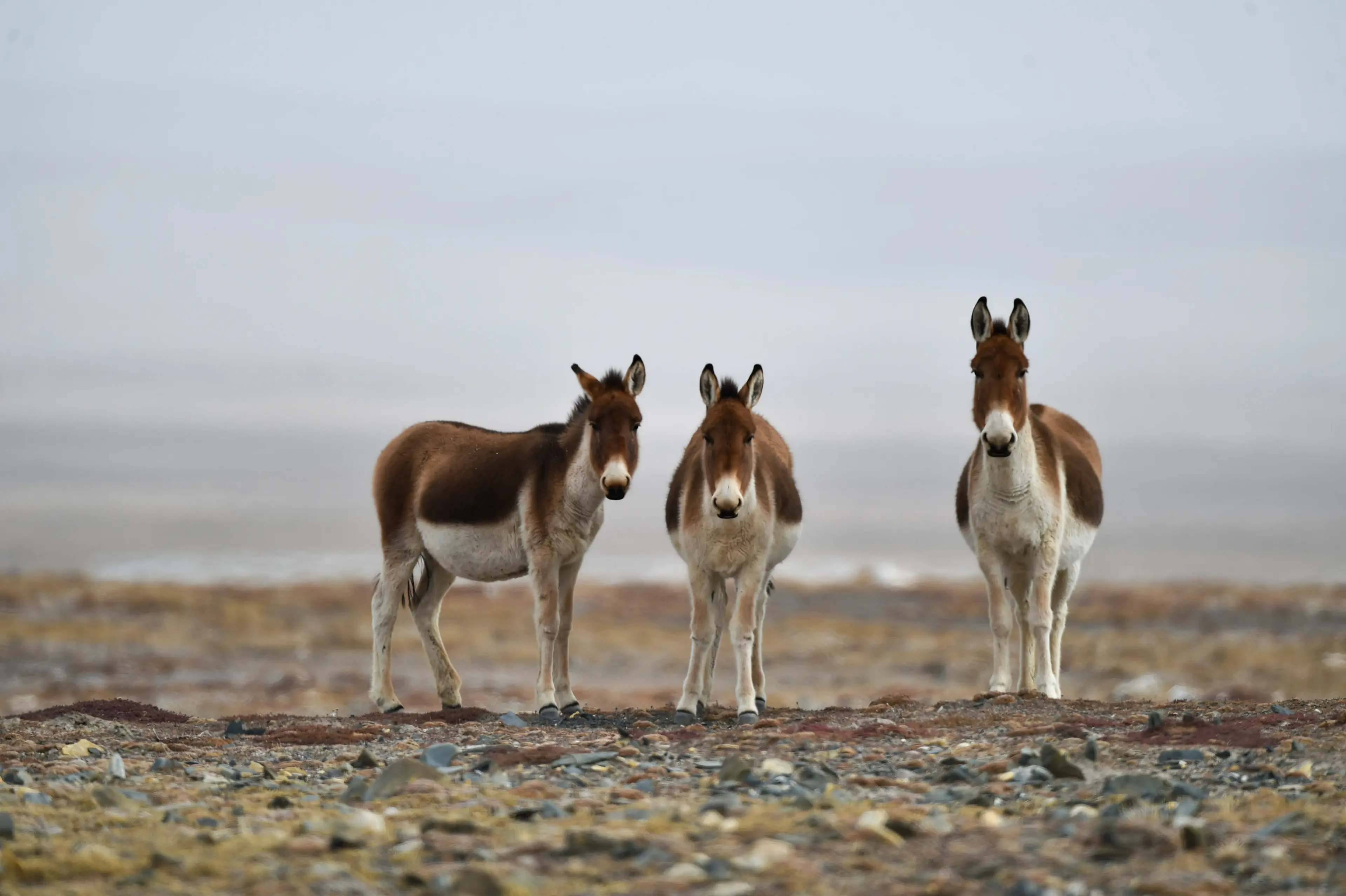
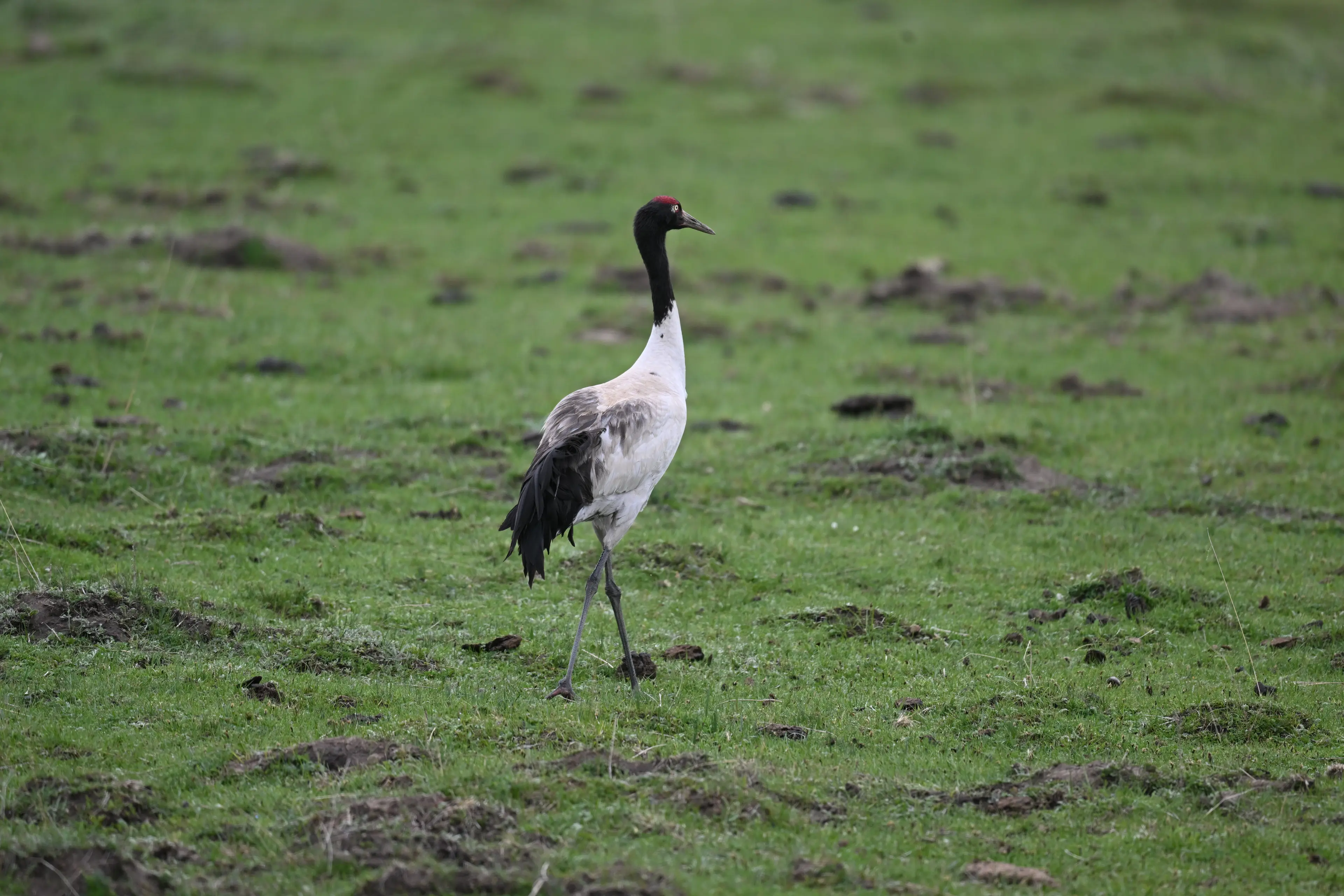
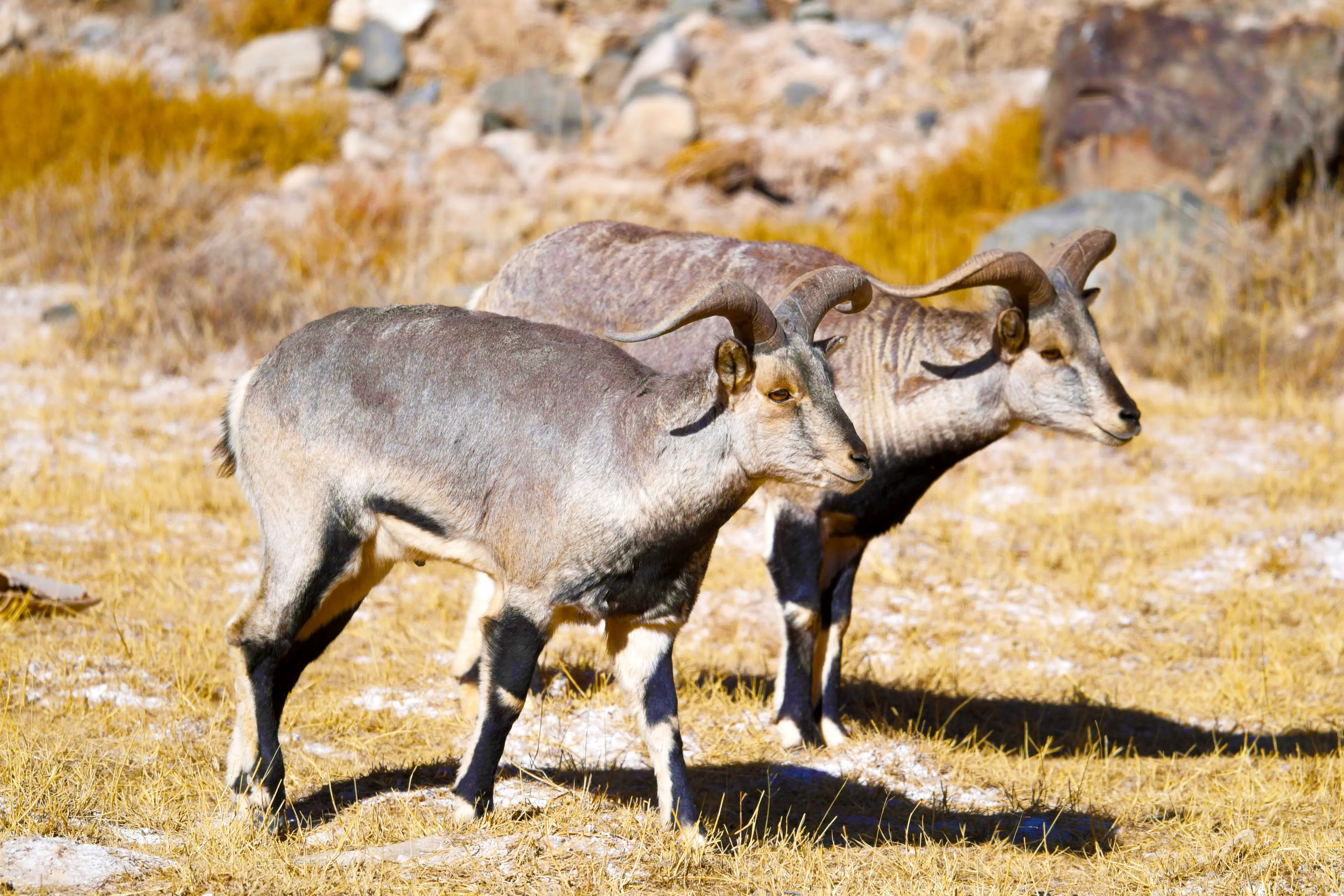
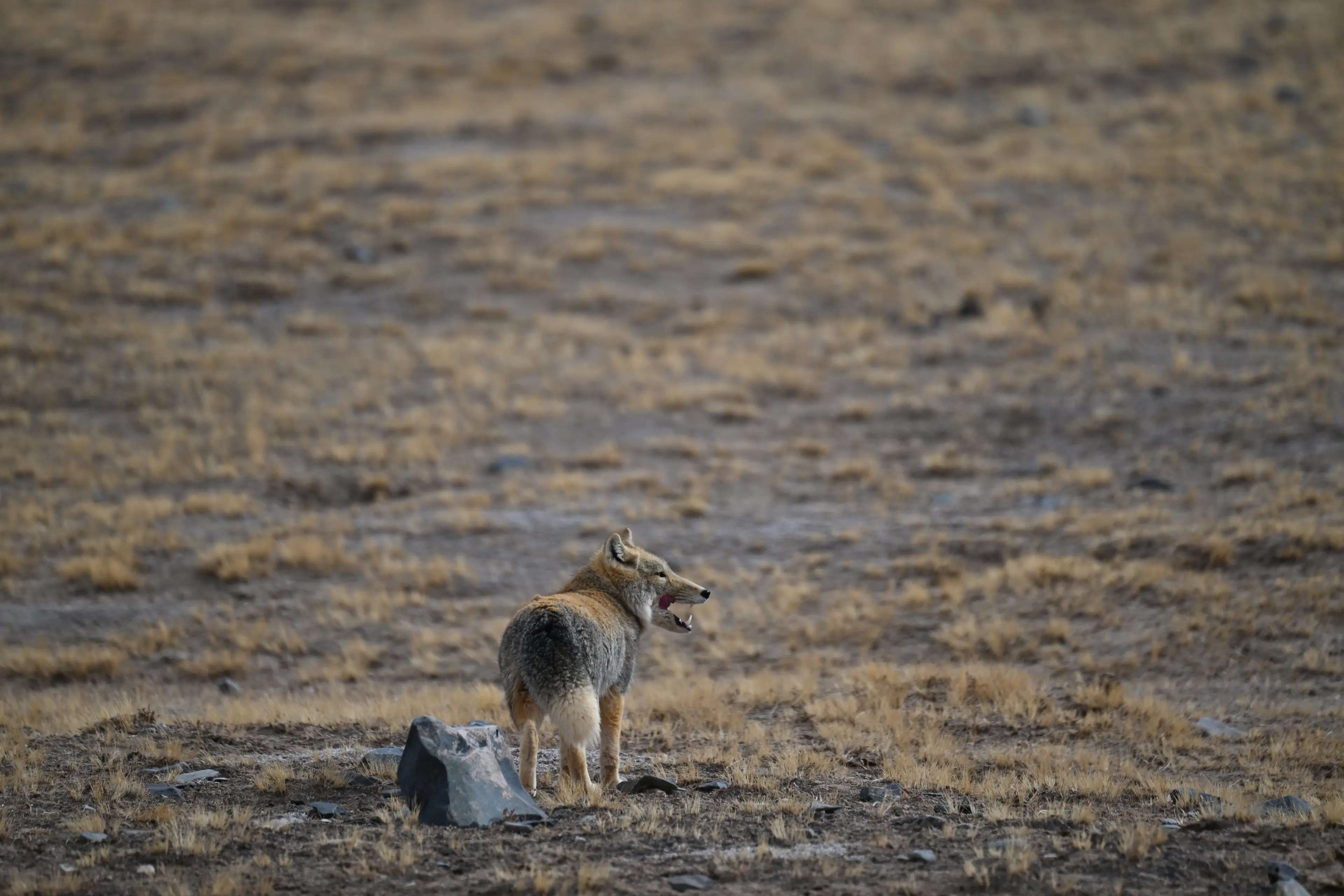
Cross the Ruoergai wetlands and Qinghai Plateau in search of black-necked cranes, Tibetan wild asses, Tibetan foxes, antelopes, blue sheep, and other plateau species.
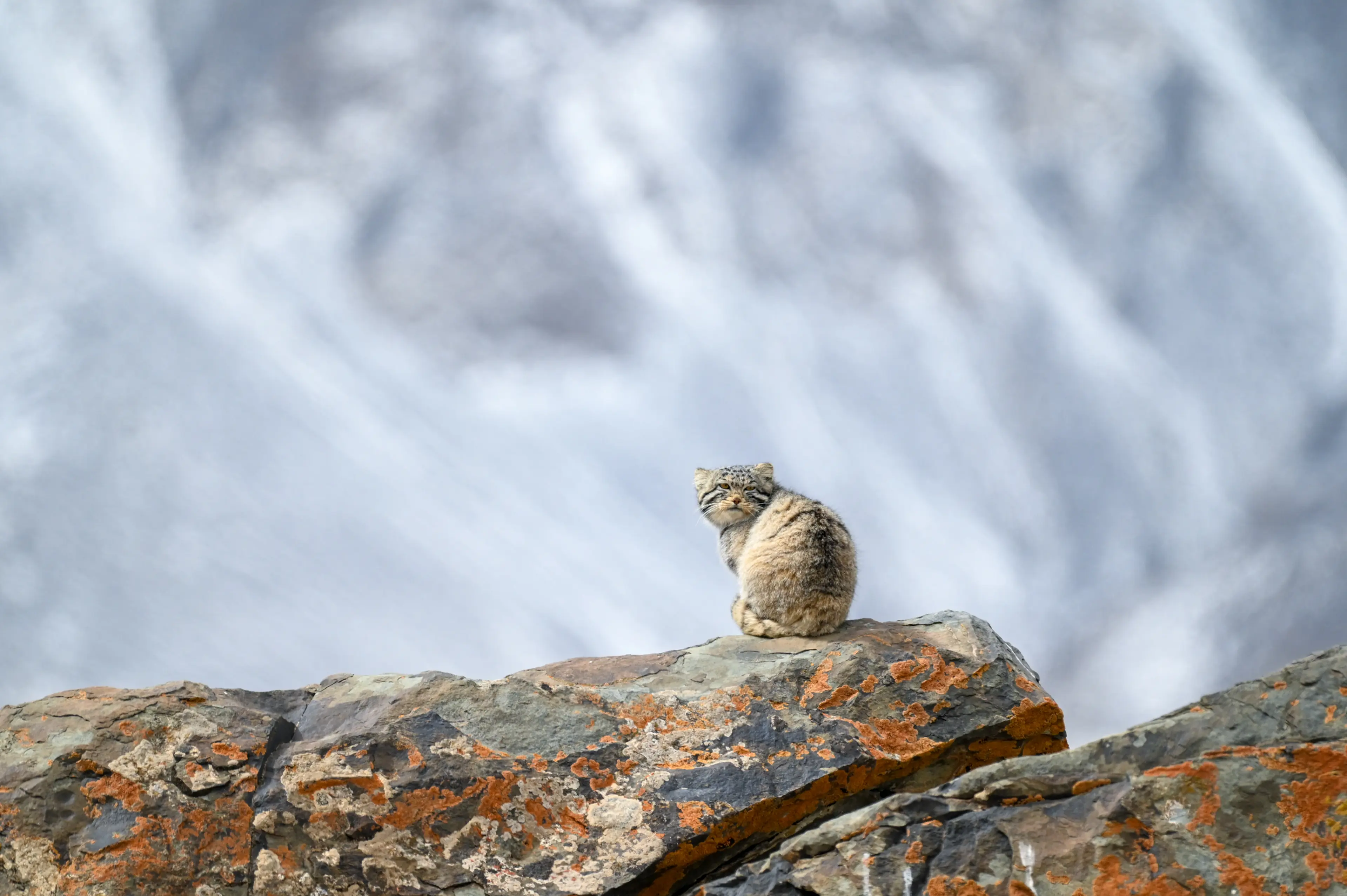
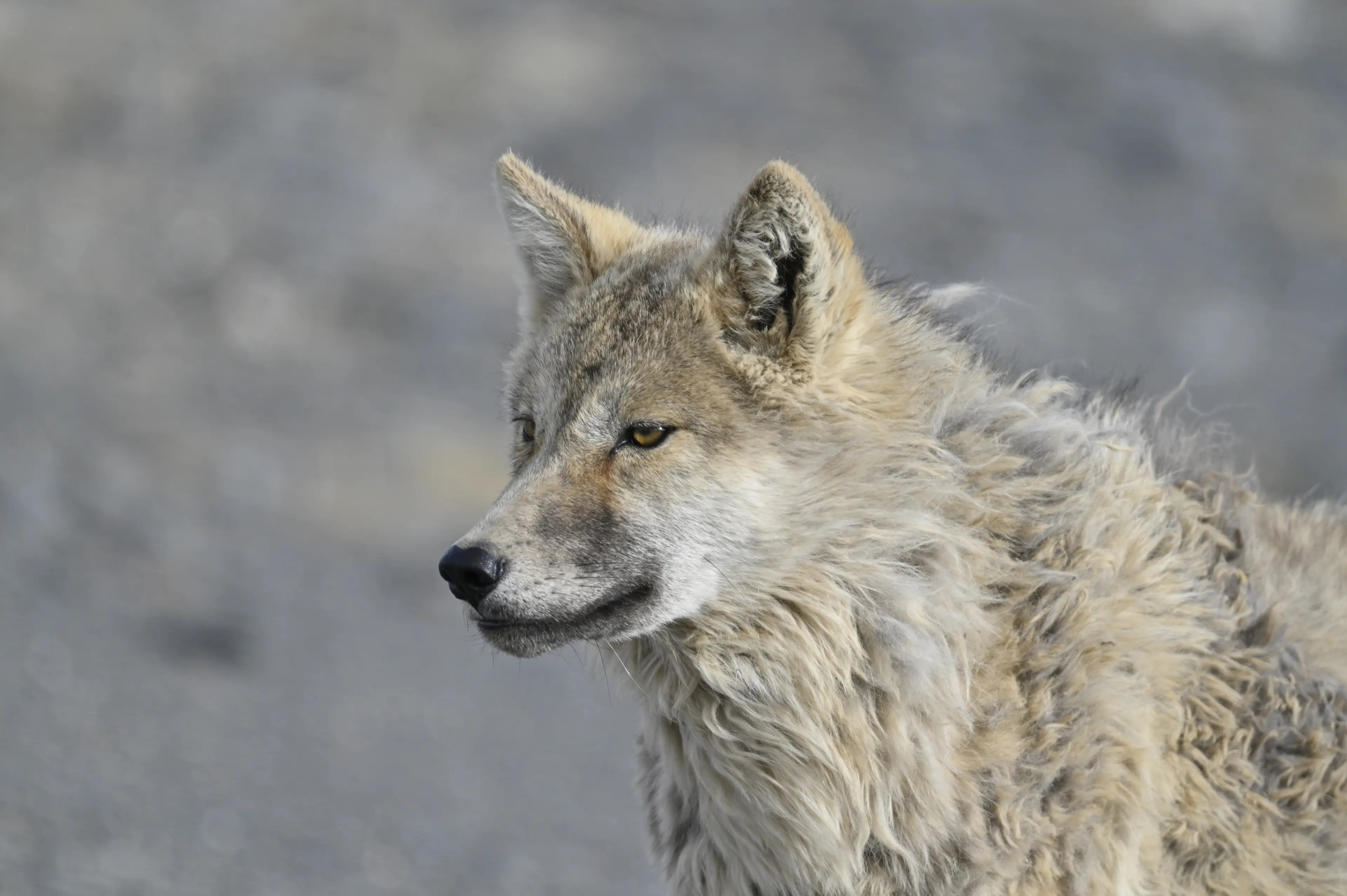
Spend focused time in Gouli scanning rocky valleys for snow leopards, Pallas’s cats, lynxes, wolves, and their prey.
Travel with an experienced English-speaking wildlife guide through remote forests, Tibetan grasslands, wetlands, and high-altitude mountain country.
From the Journey
Day 1
Arrive in Chengdu, settle in, and begin with a gentle introduction to Sichuan before the route moves deeper into reserve country. Depending on arrival time, there is room for a short city walk and an easy first meal together.
Day 2
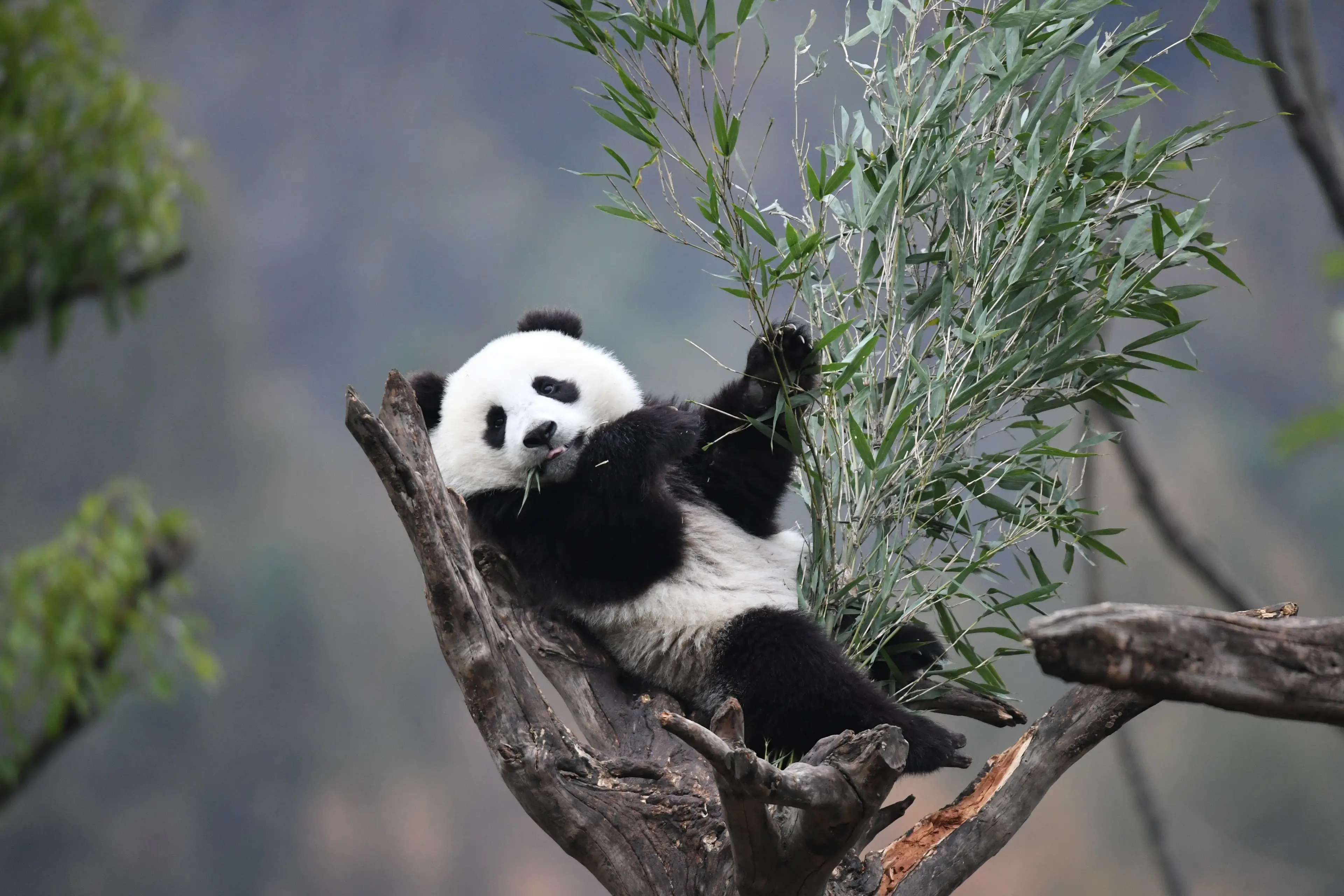
In the early morning, visit Bifengxia Panda Base — a highly regarded sanctuary for viewing giant pandas in a natural setting, where they roam in naturalistic enclosures set within a serene temperate landscape. In the afternoon, transfer to Labahe Nature Reserve, check into your reserve hotel, and enjoy a light forest hike.
Day 3
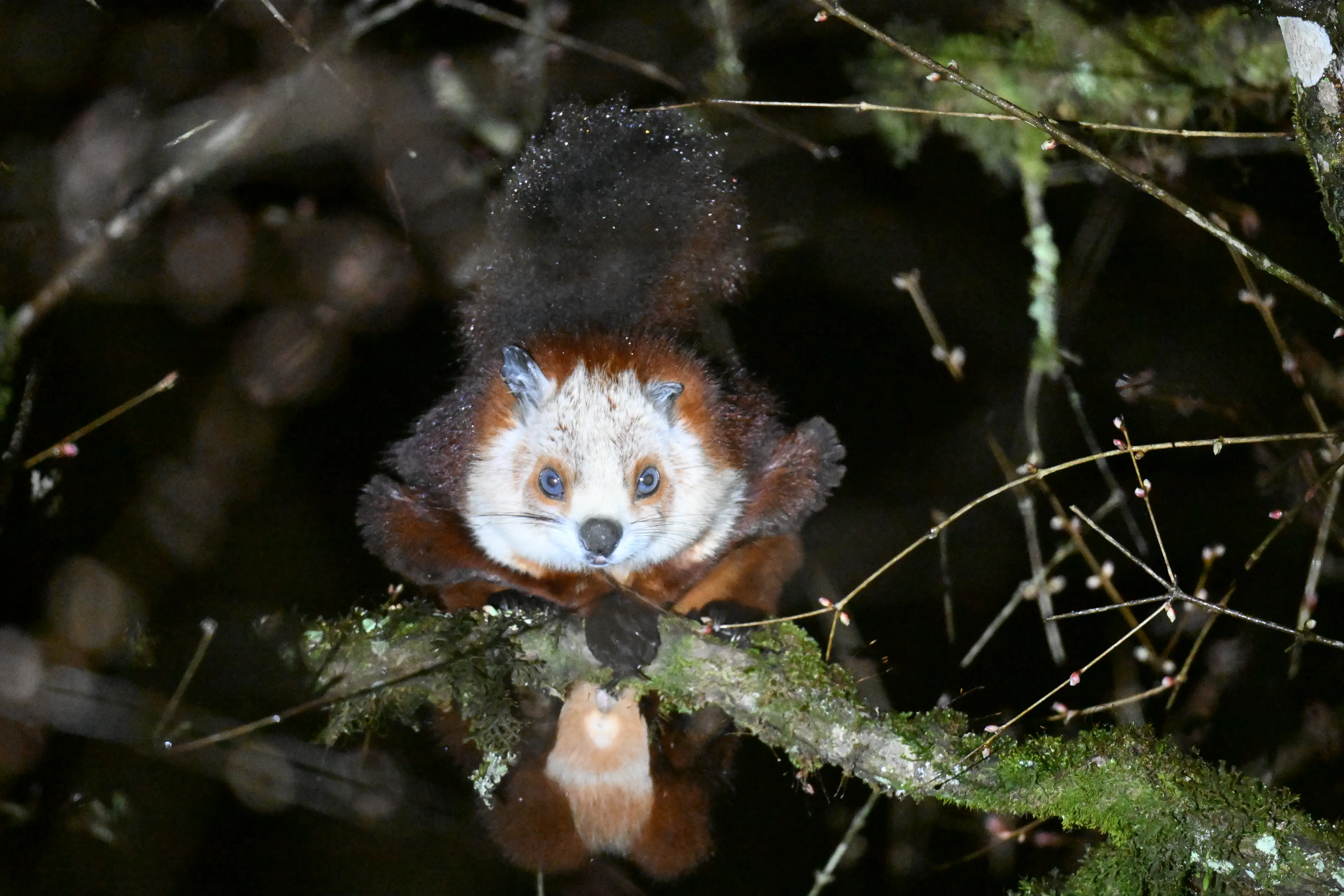
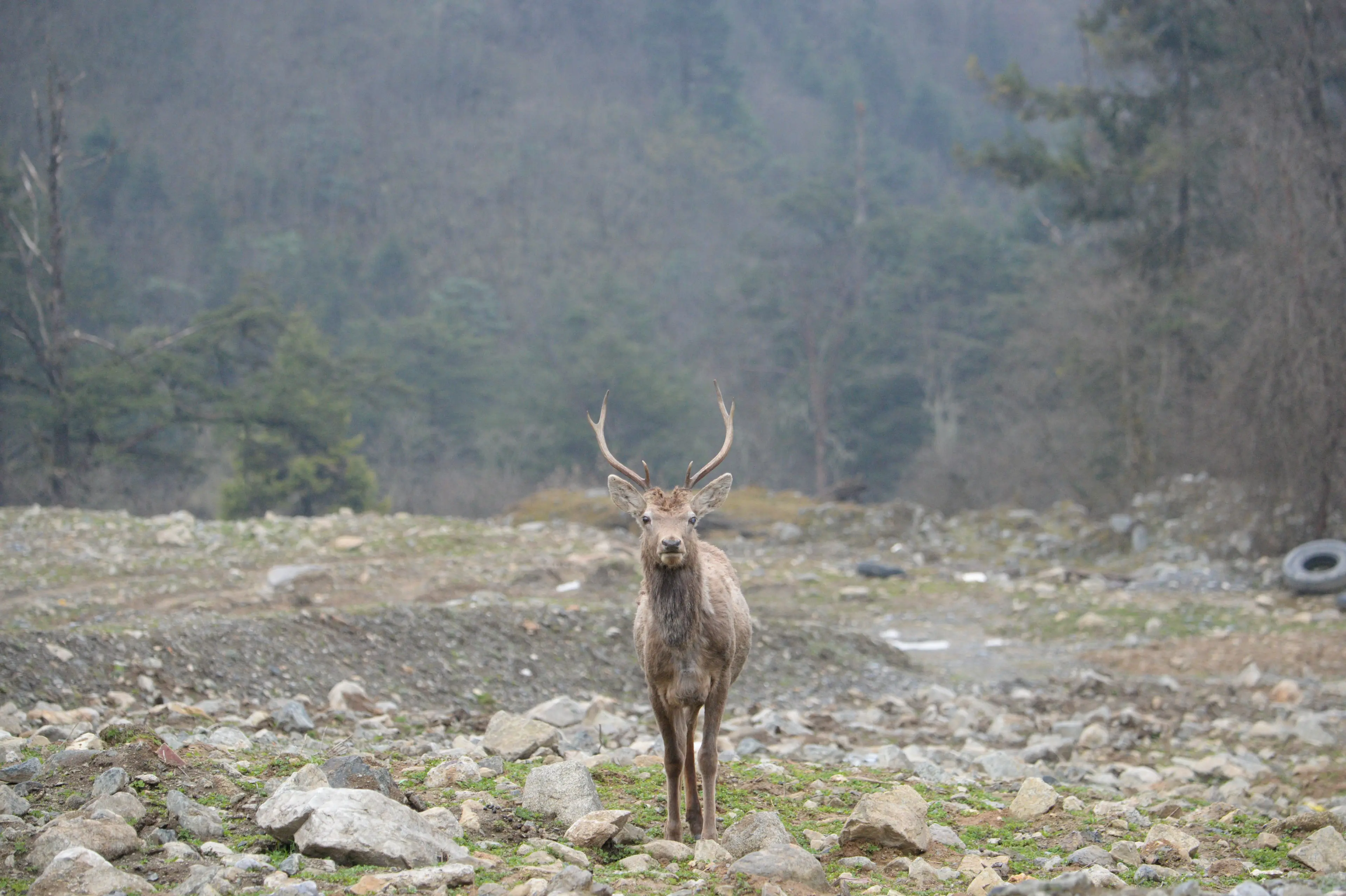
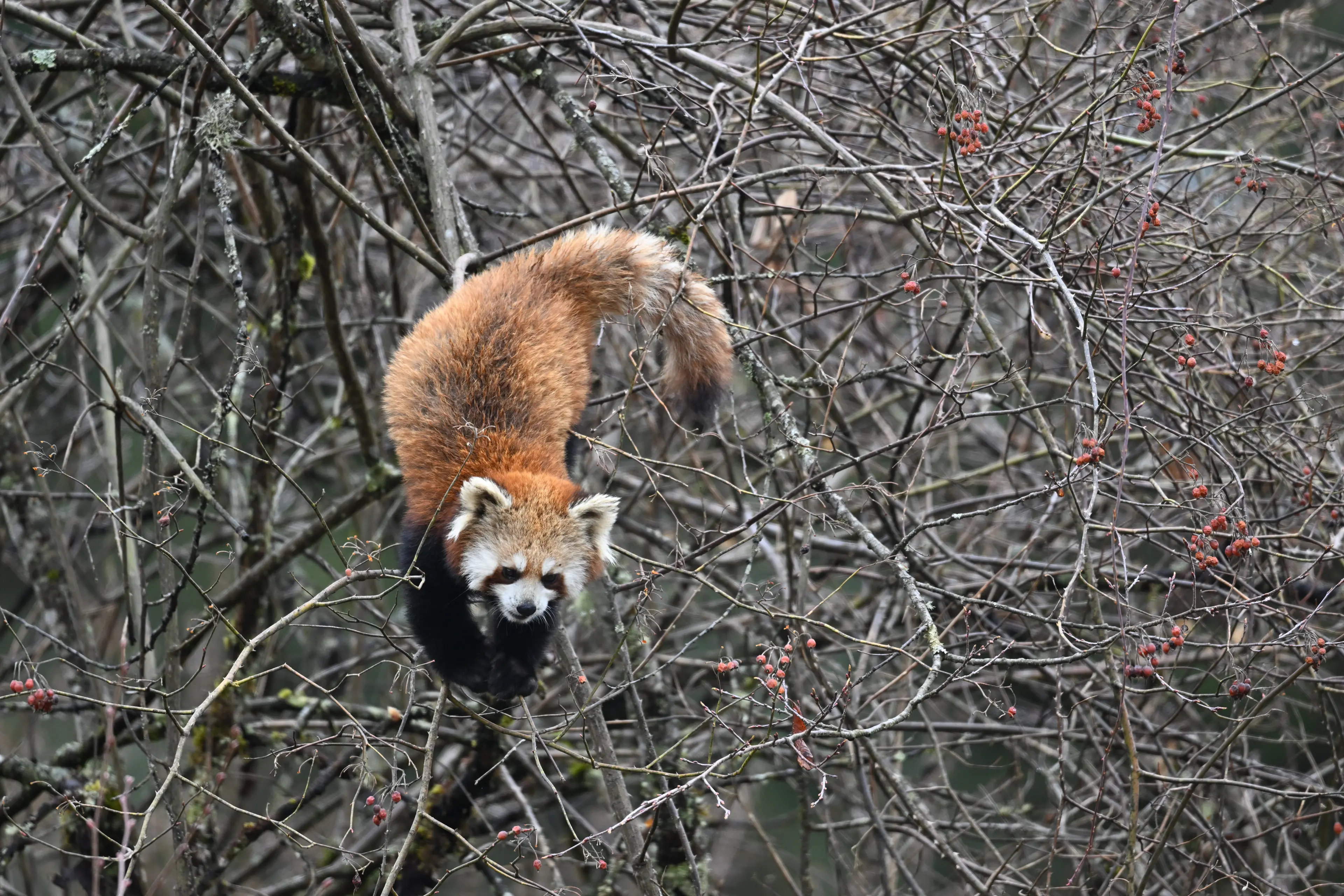
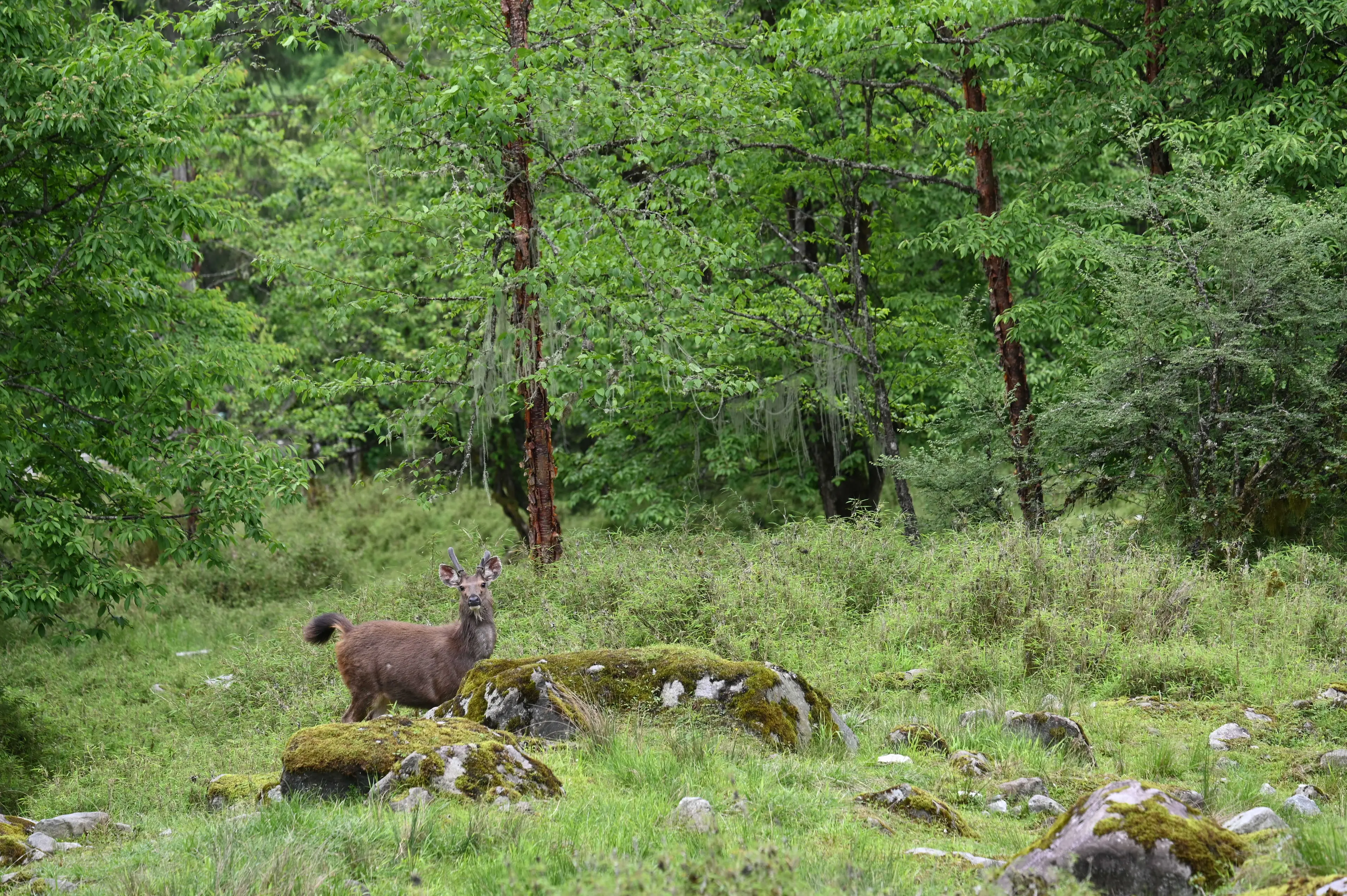
Spend a full day walking forest trails and scanning bamboo-covered slopes for wild red pandas and the wider community of animals that share their habitat. Possible encounters include Sambar, Tibetan Macaque, Chinese Goral, Takin, Serow, Flying Squirrels, Pheasants, and other mountain wildlife. After dark, take a short night walk near the hotel when conditions allow.
Day 4
Begin with another early wildlife search in Labahe before the long overland journey to Tangjiahe Nature Reserve. Pause at Qingxi Ancient Town for a brief look at its traditional streets and layered Muslim and Han heritage, then continue into the Minshan forests of the Giant Panda National Park.
Day 5
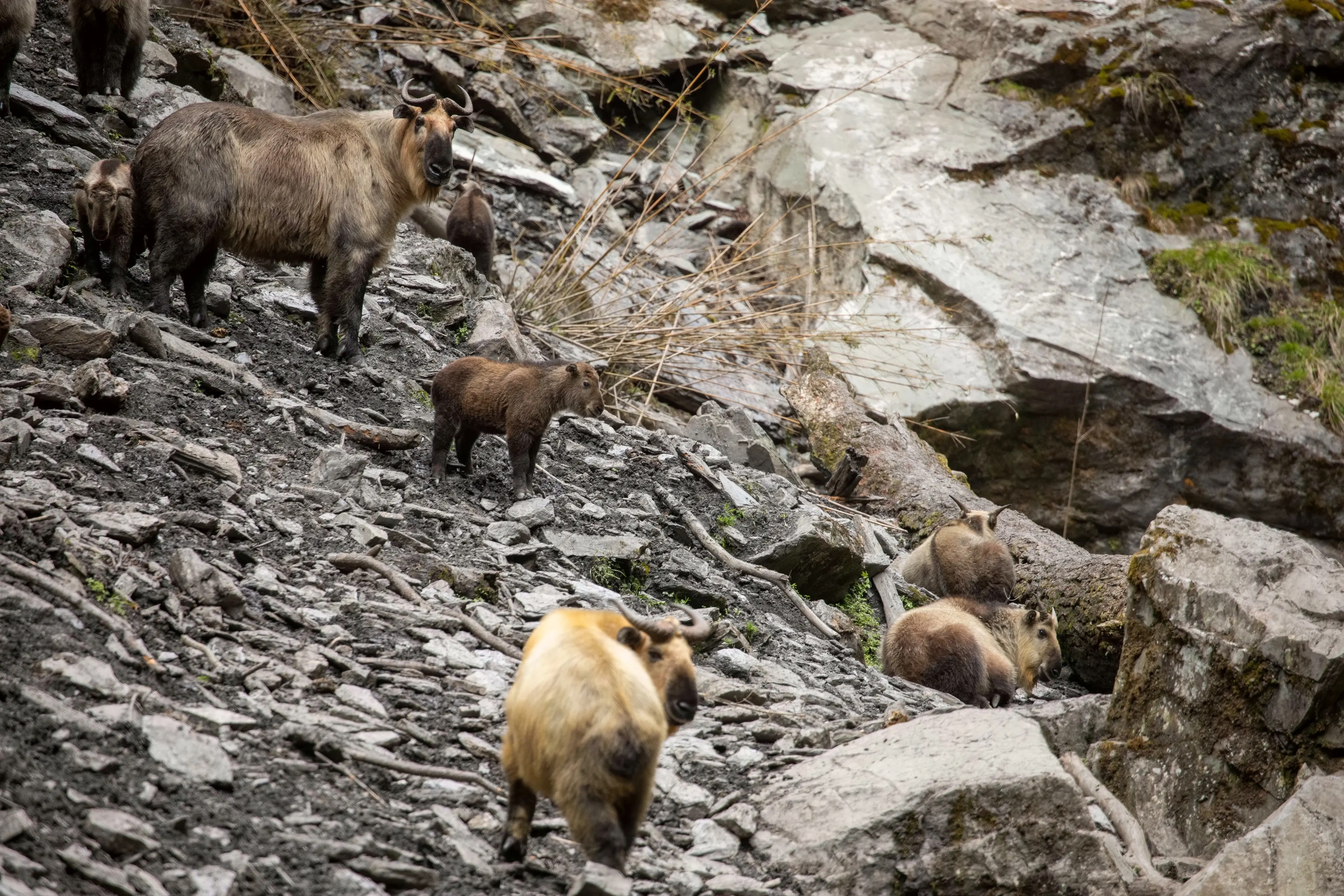
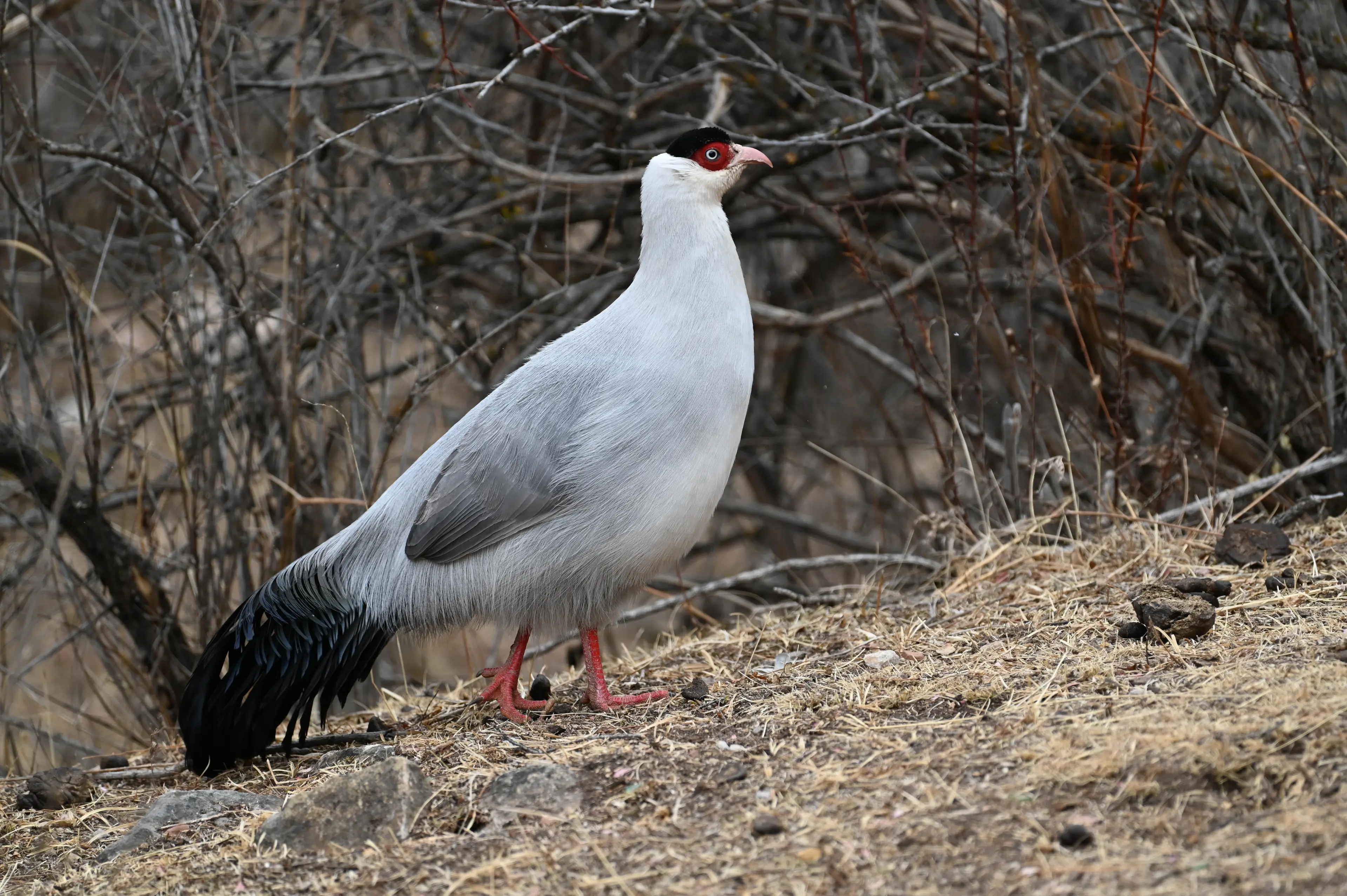
Explore different parts of Tangjiahe with a flexible field plan shaped by wildlife activity. The reserve supports Takins, Golden snub-nosed Monkeys, Tibetan Macaques, Chinese Gorals, Muntjacs, Serows, Yellow-throated Marte, Pheasants, and many other forest species. A night walk may offer chances for civets, leopard cats, and other nocturnal animals.
Day 6
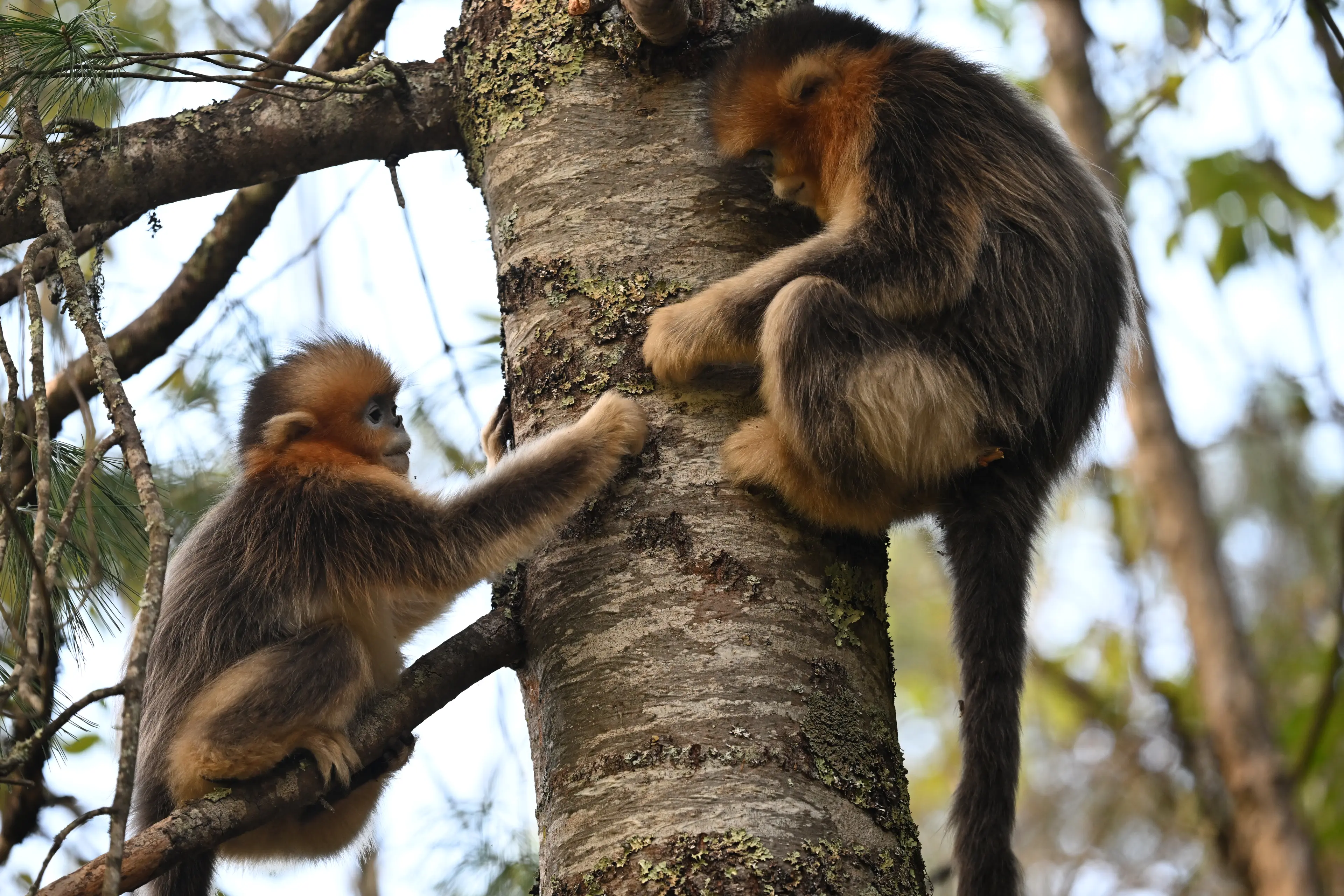
Use the morning for one final search in Tangjiahe before leaving the reserve. In the afternoon, continue to Pingwu, where the high mountain forests support an important population of Sichuan golden snub-nosed monkeys living within the wider giant panda landscape.
Day 7
Visit a mountain reserve near Pingwu to search for golden snub-nosed monkeys, known for their long golden coats, pale blue faces, and lively social groups. After the observation period, leave the forested Minshan region and travel north toward the open grasslands of Ruoergai.
Day 8
Explore Huahu Lake on the Ruoergai Plateau, a broad peatland and wetland system that provides important habitat for black-necked cranes, waterfowl, raptors, and other high-altitude species. In the afternoon, cross from Sichuan into Qinghai and continue to Jiuzhi.
Day 9
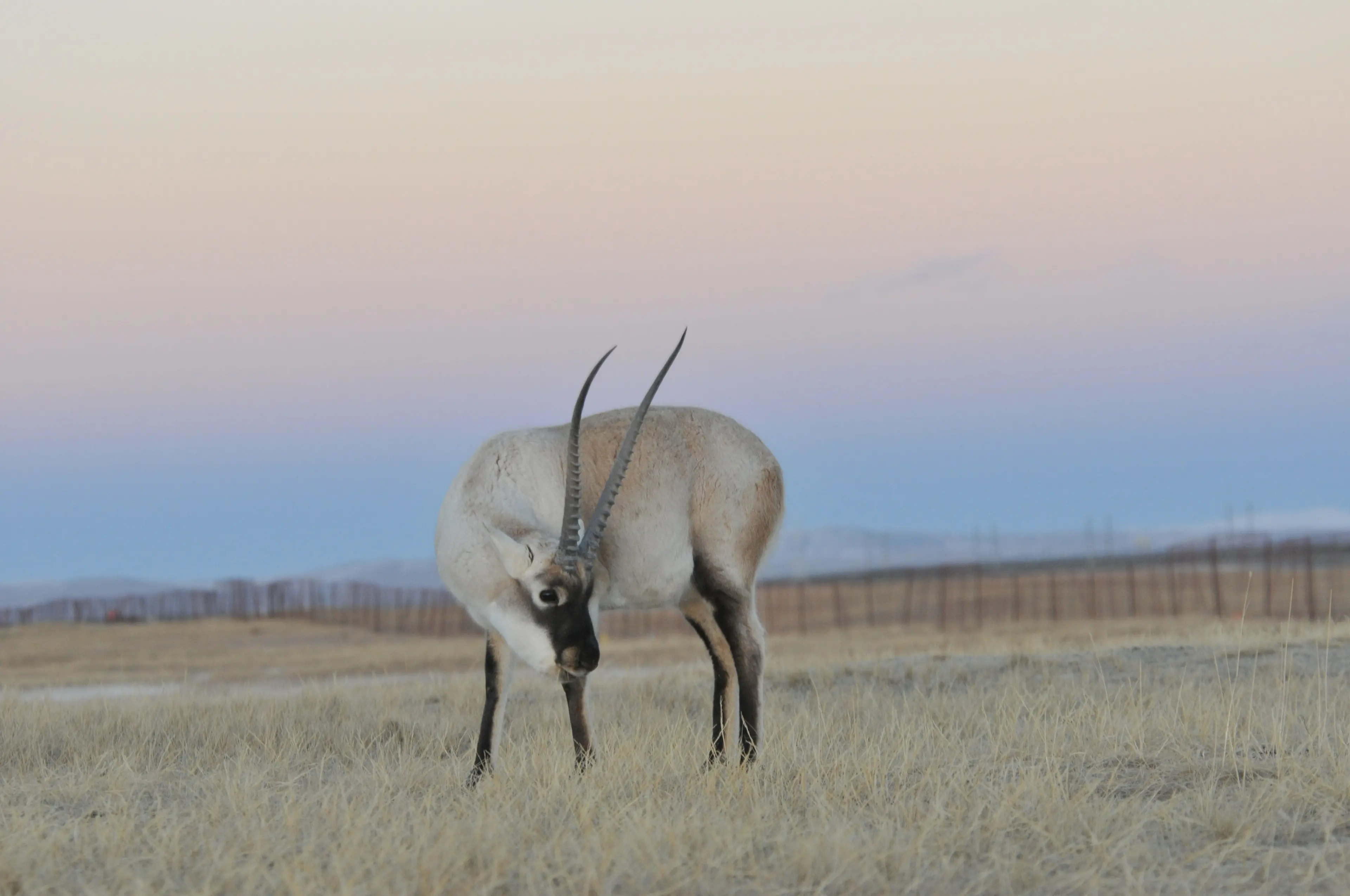
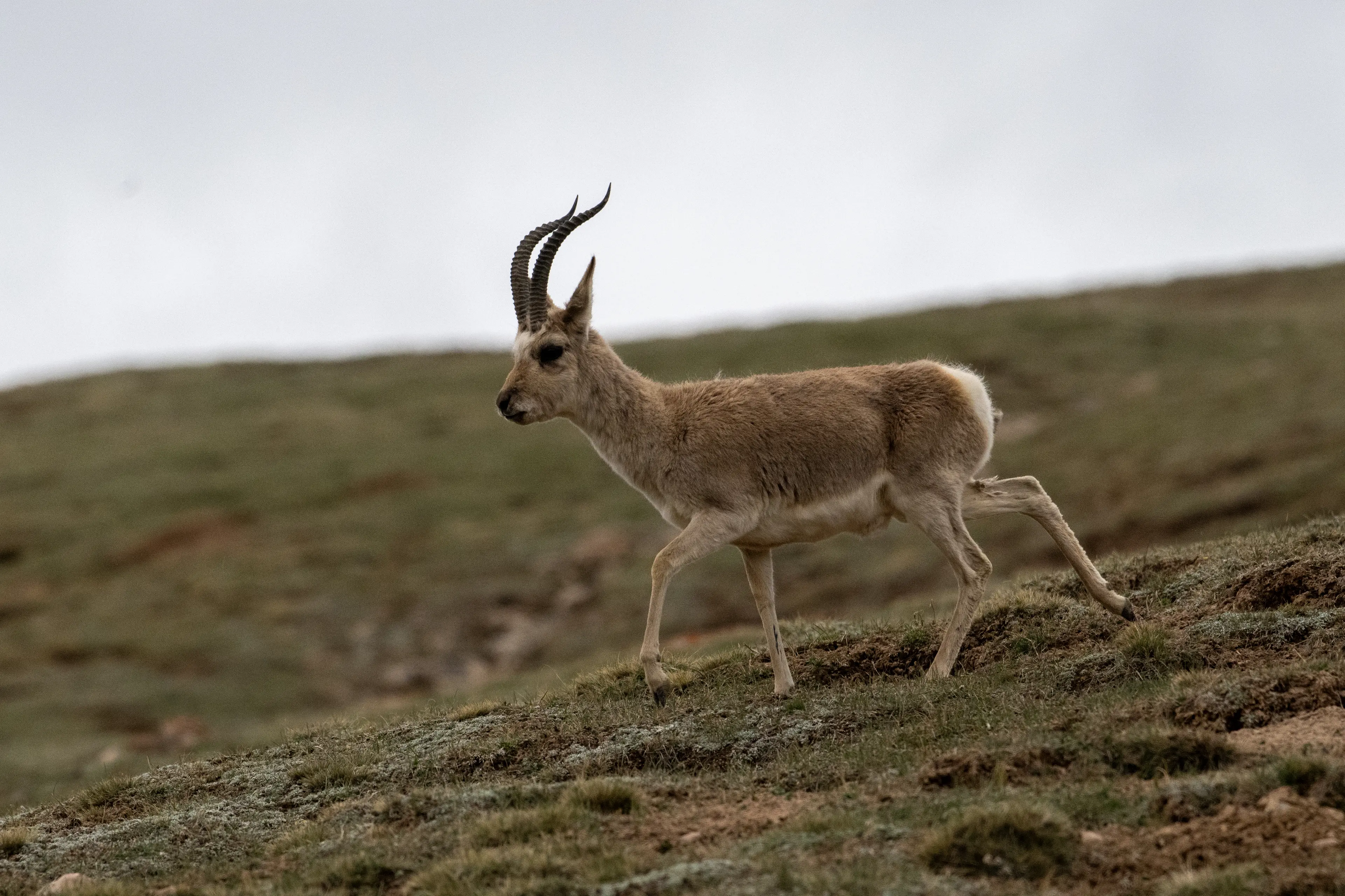
Travel west across the Qinghai Plateau on a long but scenic overland day. Stop at Dongge Cuona Lake to scan the surrounding grassland, lakeshore, and rocky slopes for Blue Sheep, Tibetan wild Asses, Tibetan Foxes, Tibetan Antelopes, and other plateau wildlife before continuing to Xiangride.
Day 10
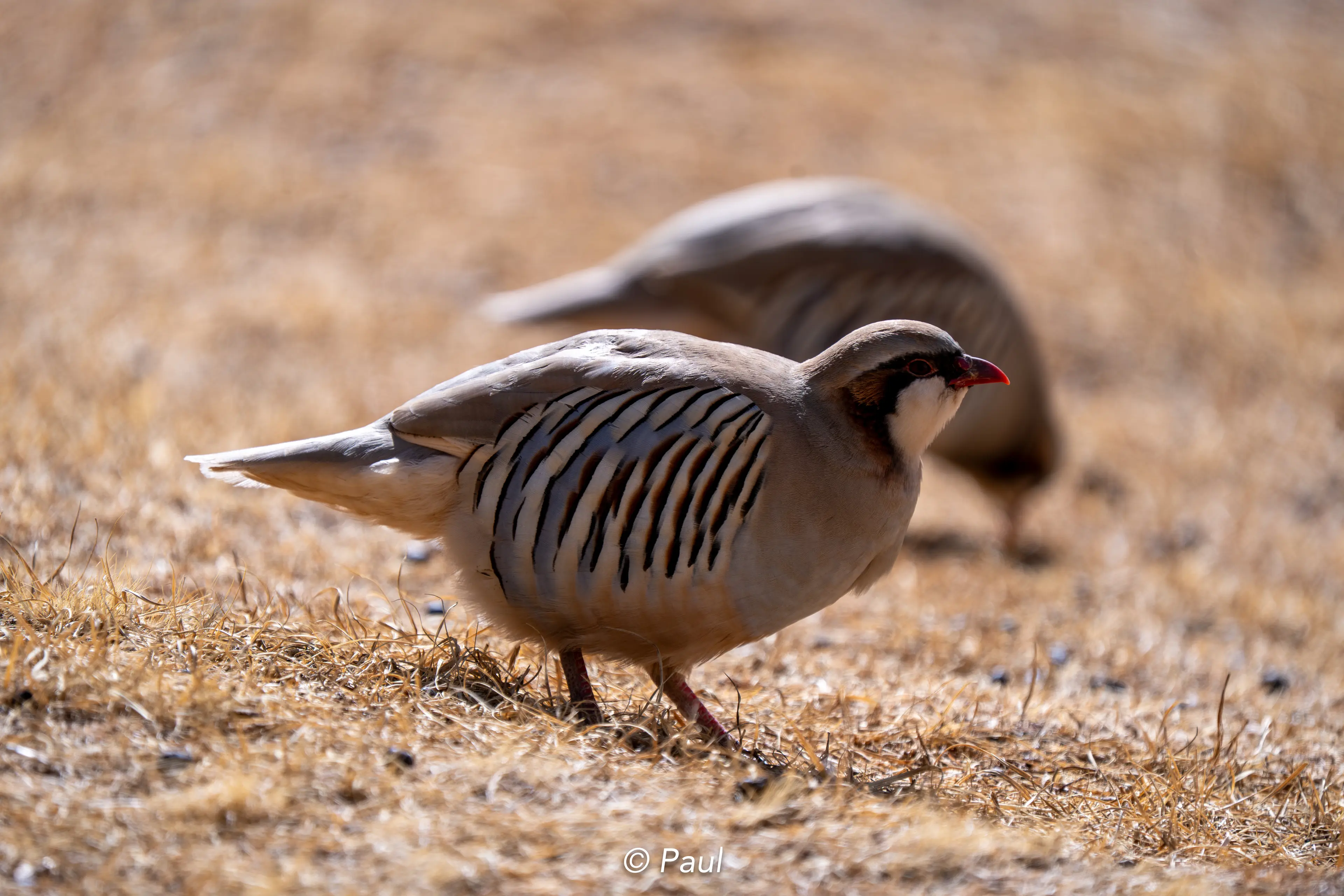
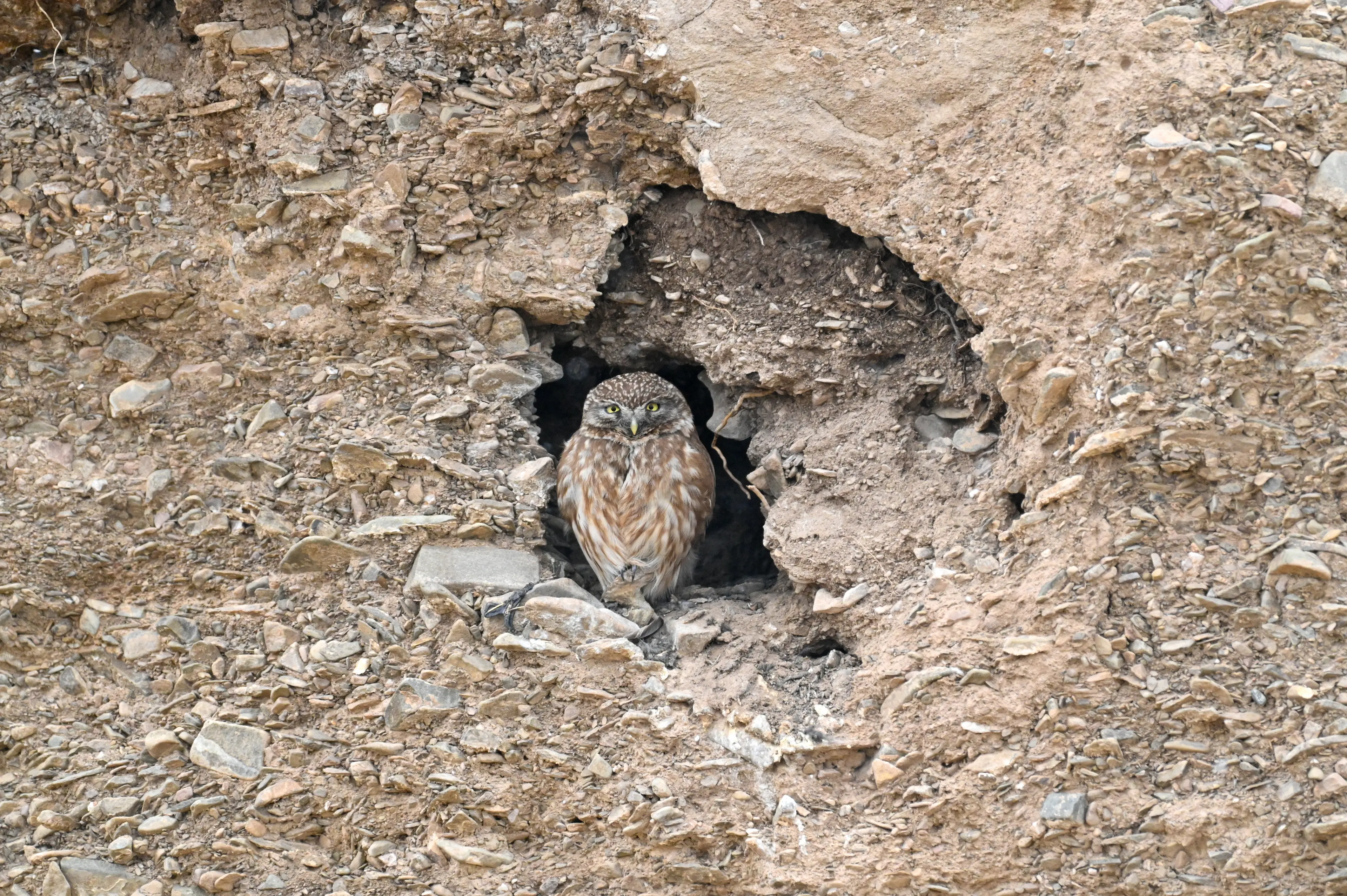
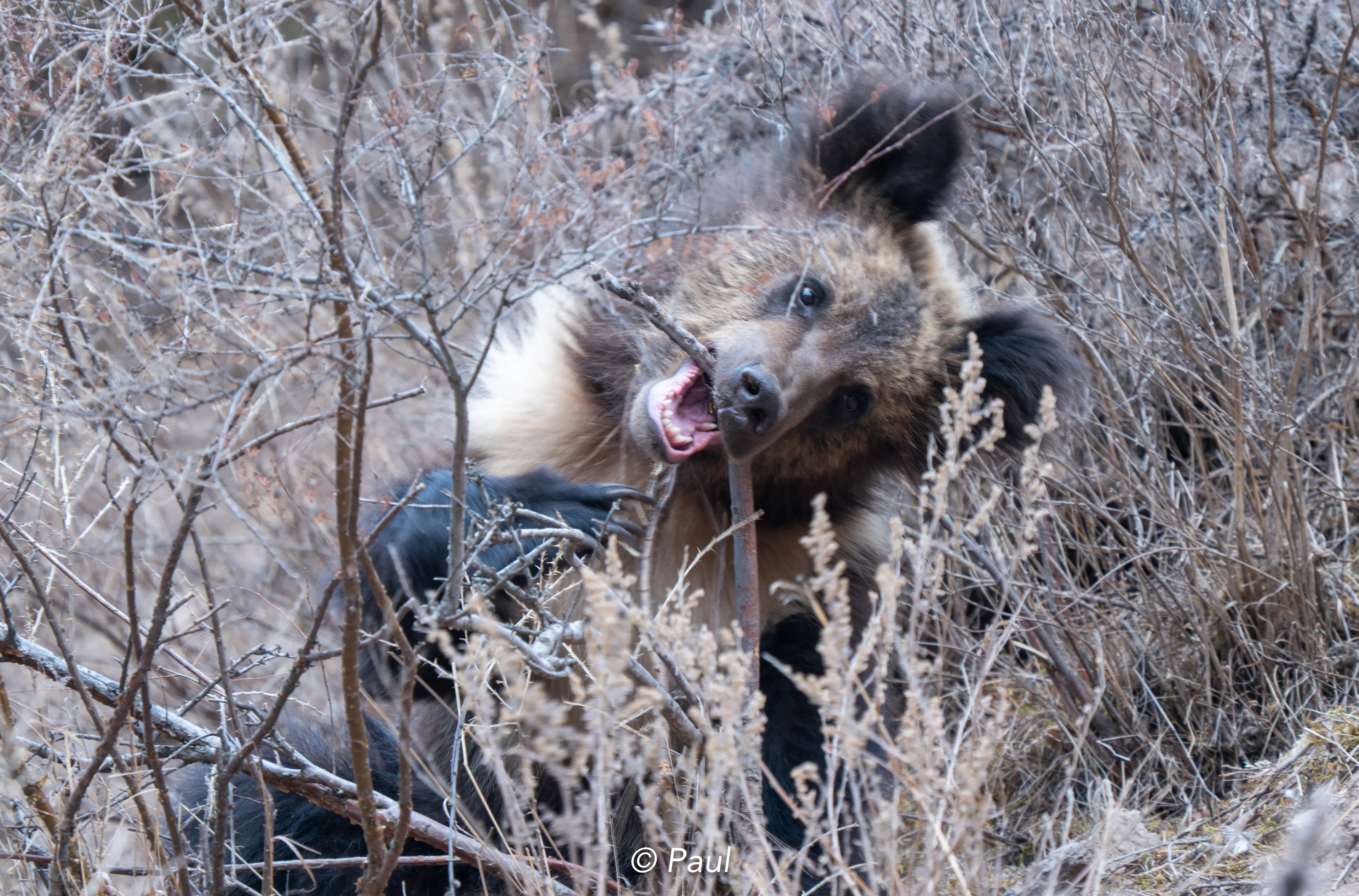
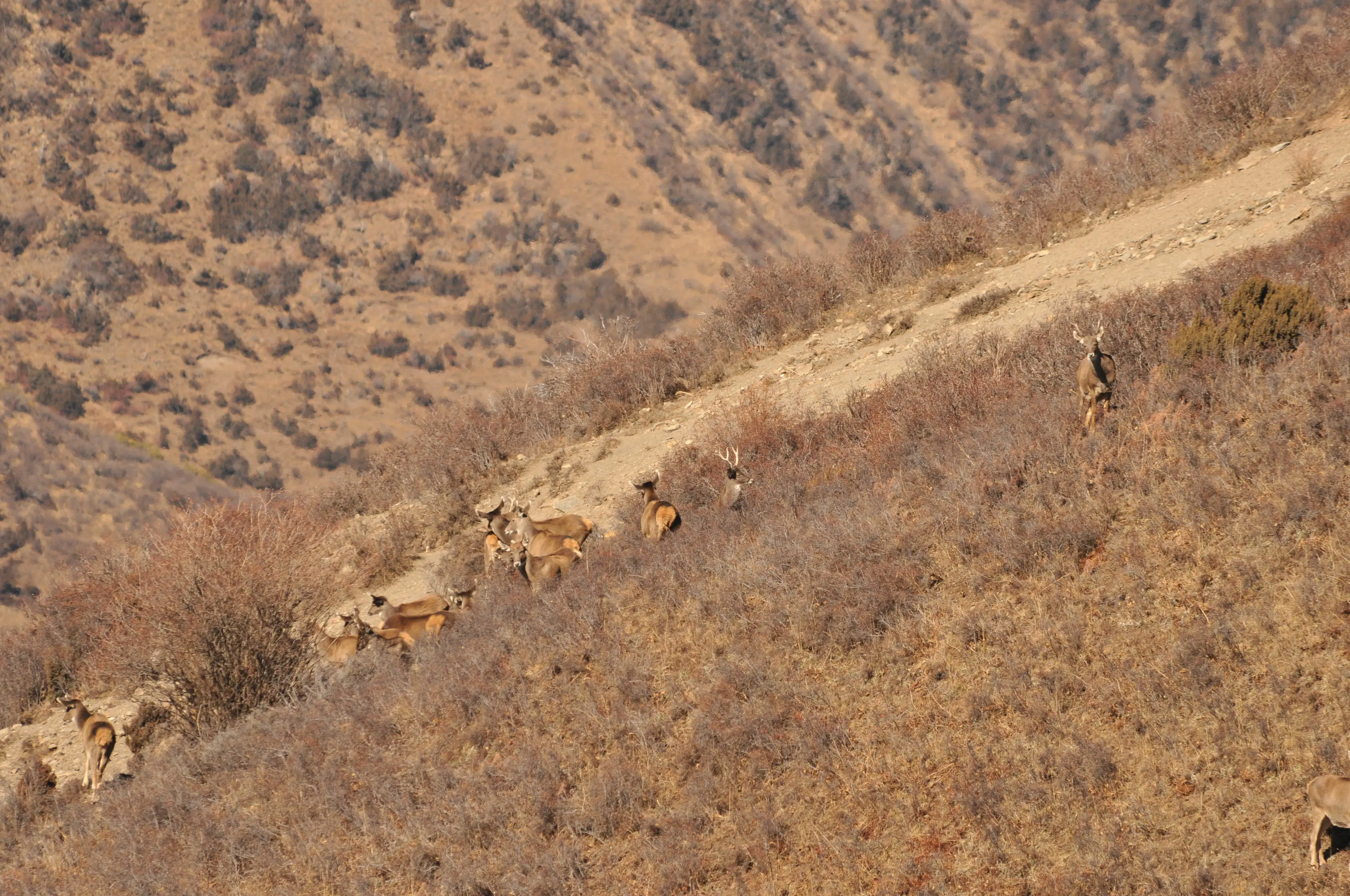
Spend the day exploring the sparsely populated landscapes around Xiangride. Mountains, grasslands, desert edges, and wetlands support a varied wildlife community that may include blue sheep, argali, wild yak, Tibetan wild ass, brown bear, white-lipped deer, Tibetan antelope, black-necked crane, and Tibetan snowcock.
Day 11~12
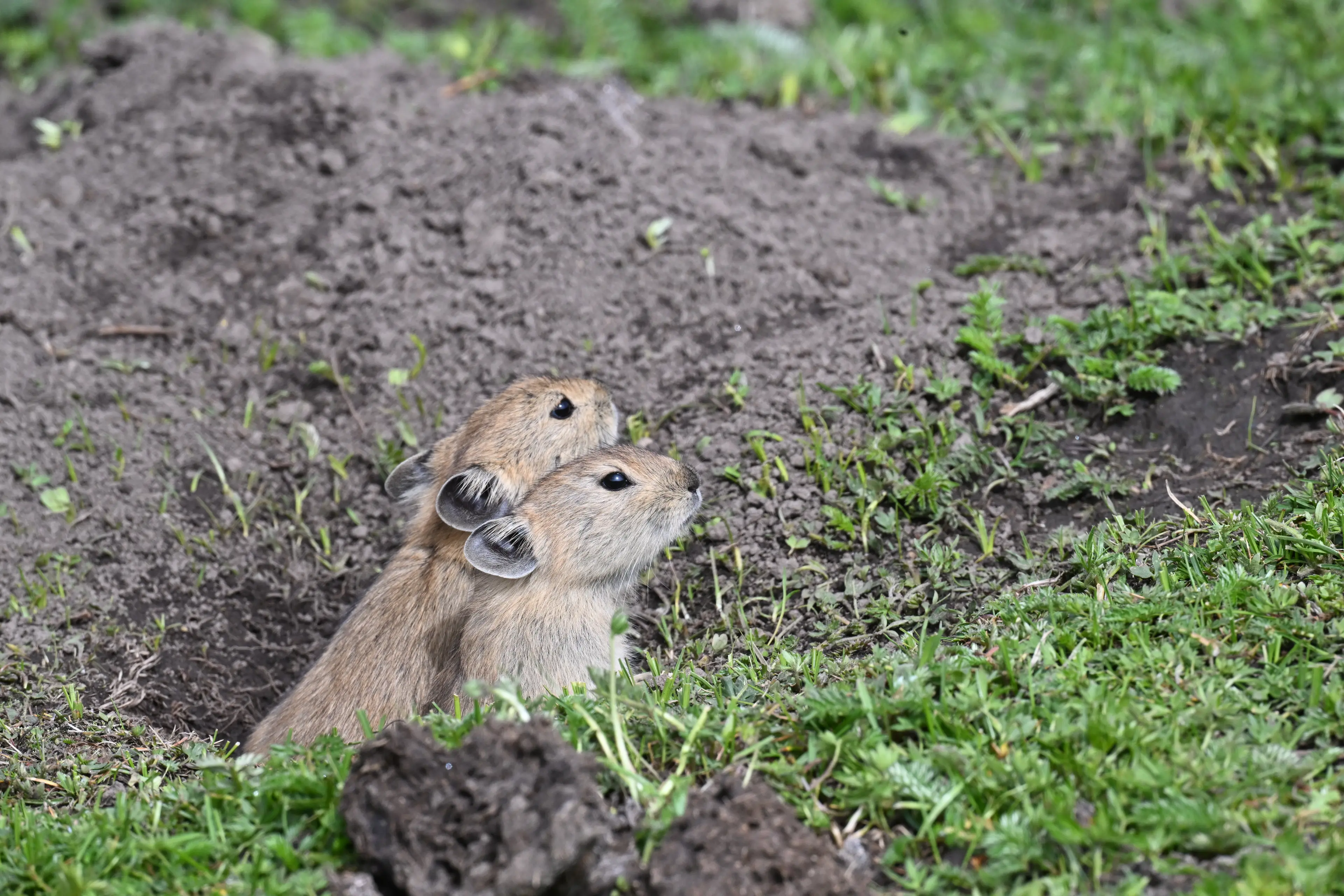
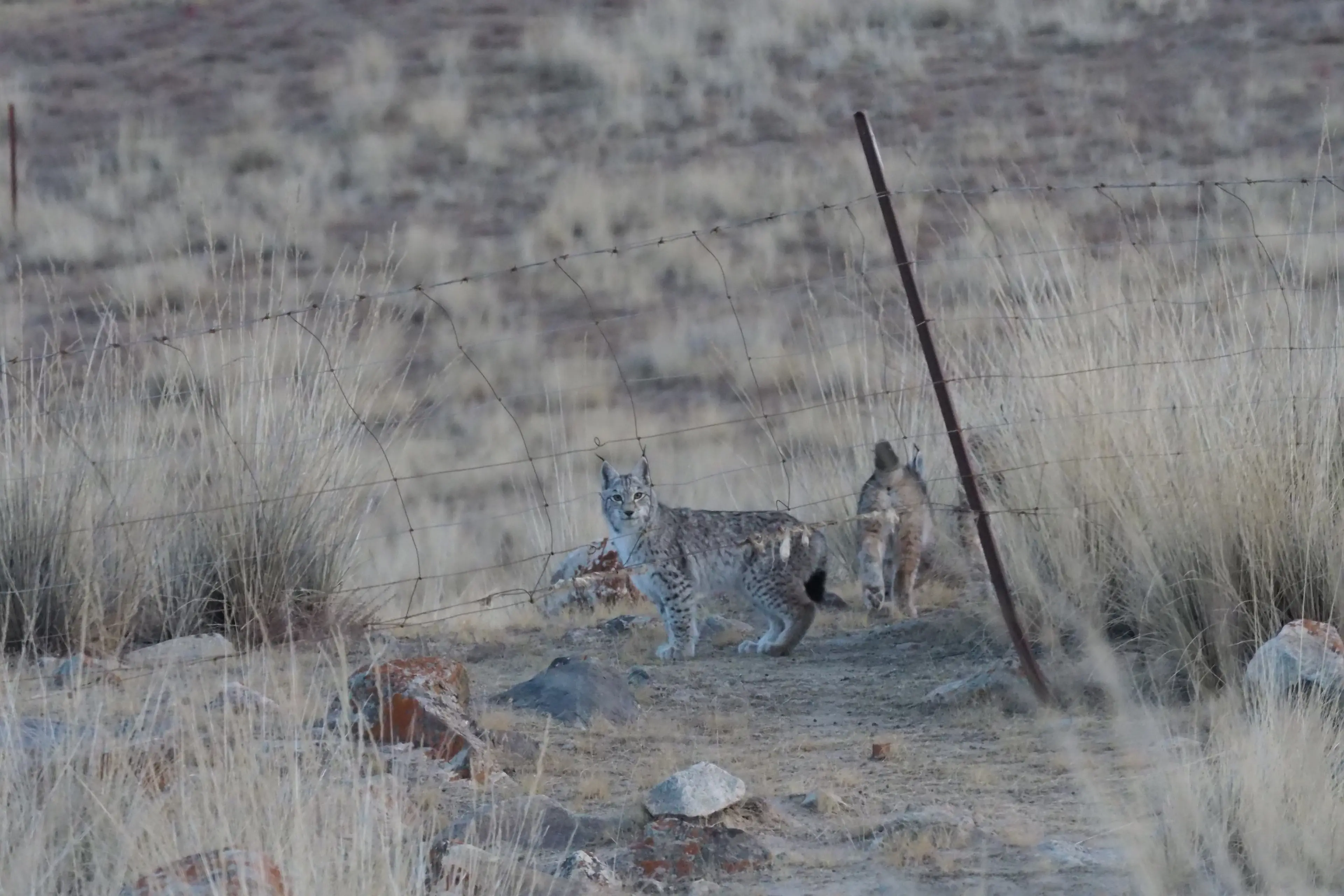
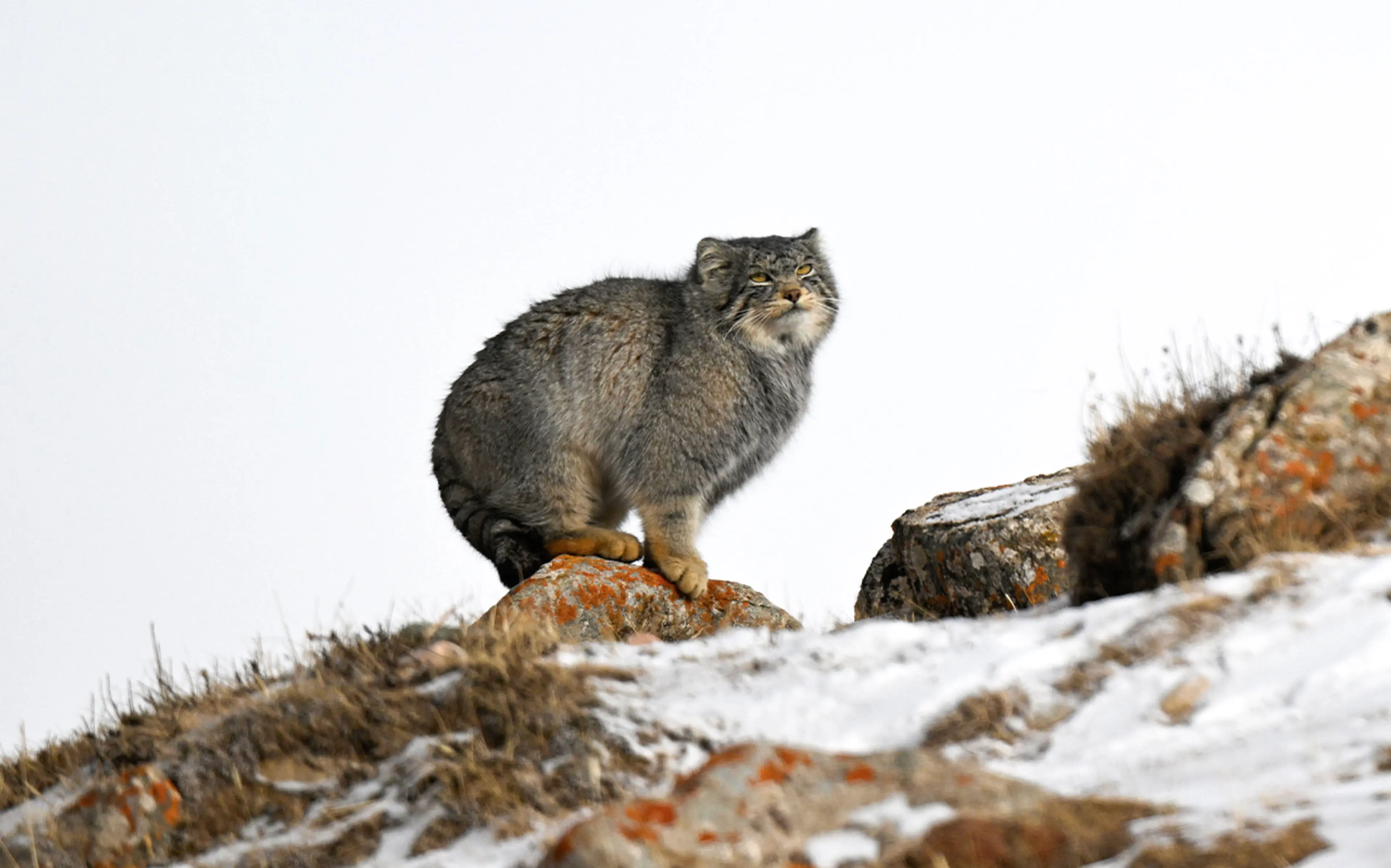
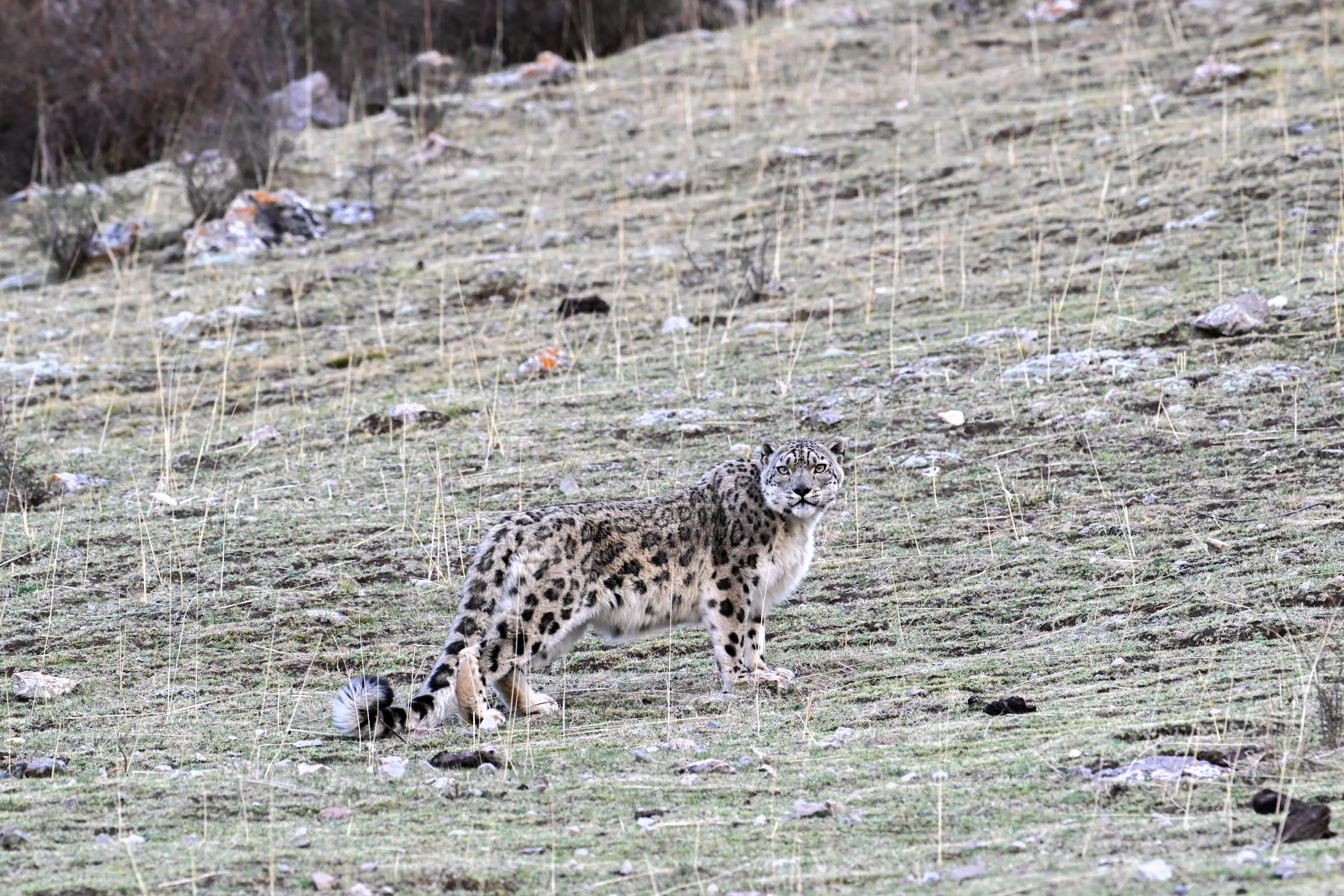
Dedicate the day to patient observation in Gouli’s snow leopard habitat. Search ridgelines, cliffs, and valley slopes for snow leopards and the animals that share this high-altitude ecosystem, including Pallas’s cats, lynxes, blue sheep, wolves, and Tibetan foxes. Field plans remain flexible to follow tracks, sightings, weather, and local information.
Day 13
Leave Gouli after breakfast and drive to Xining. Following lunch, transfer to the airport according to your flight schedule, bringing the journey from Sichuan’s panda forests to Qinghai’s snow leopard country to a close.
This is an active 13-day overland safari with forest trails, uneven ground, night walks, and several long driving days, including transfers of roughly 500-590km. Field timing may begin early or finish late when wildlife conditions are most favorable.
All wildlife encounters are unpredictable. Wild giant pandas are especially difficult to see, while red panda, golden monkey, takin, plateau mammal, and snow leopard searches require patience, repeated scanning, and flexibility around weather and local information.
The route moves from Sichuan’s mountain forests to high-elevation wetlands and the Qinghai Plateau. February conditions can be cold and exposed, so warm layered clothing, sun protection, and preparation for altitude are important. Accommodation in remote areas is chosen primarily for access and practicality.
A few practical questions travelers ask before sending an inquiry.
Plan Your Journey
On Request
Share your travel dates, pace preference and main interests, and we can shape this Sichuan route around pandas, cultural sites, mountain scenery and the time you have available.