Day 1
Arrive in Chengdu
Arrive in Chengdu, settle in, and begin with a gentle introduction to Sichuan before the route moves deeper into reserve country. Depending on arrival time, there is room for a short city walk and an easy first meal together.

17 days · Sichuan & Qinghai
Follow an expansive wildlife route from Sichuan's temperate panda forests to the high grasslands of Qinghai, searching for red pandas, takins, white-lipped deer, Tibetan antelope, wild yak, kiang, plateau birds, and other western China specialties.
Duration
17 days
Region
Chengdu, Tangjiahe, Labahe, Daofu, Manigange, Yushu, Qumalai, Hoh Xil, Golmud, Gangcha, Qinghai Lake, Xining
Group Type
Private or small group
Best Time
Every spring and autumn
Price
On Request
Overview
Begin in Chengdu and spend several days exploring Tangjiahe's rich mountain forests before moving to Bifengxia and Labahe for giant panda conservation insight and wild red panda searches. The journey then climbs through Kham Tibetan country to Yushu, Qumalai, and Hoh Xil, where vast plateau habitats support Tibetan antelope, wild yak, kiang, brown bear, and other high-altitude wildlife, before closing at Qinghai Lake and Xining.
Highlights
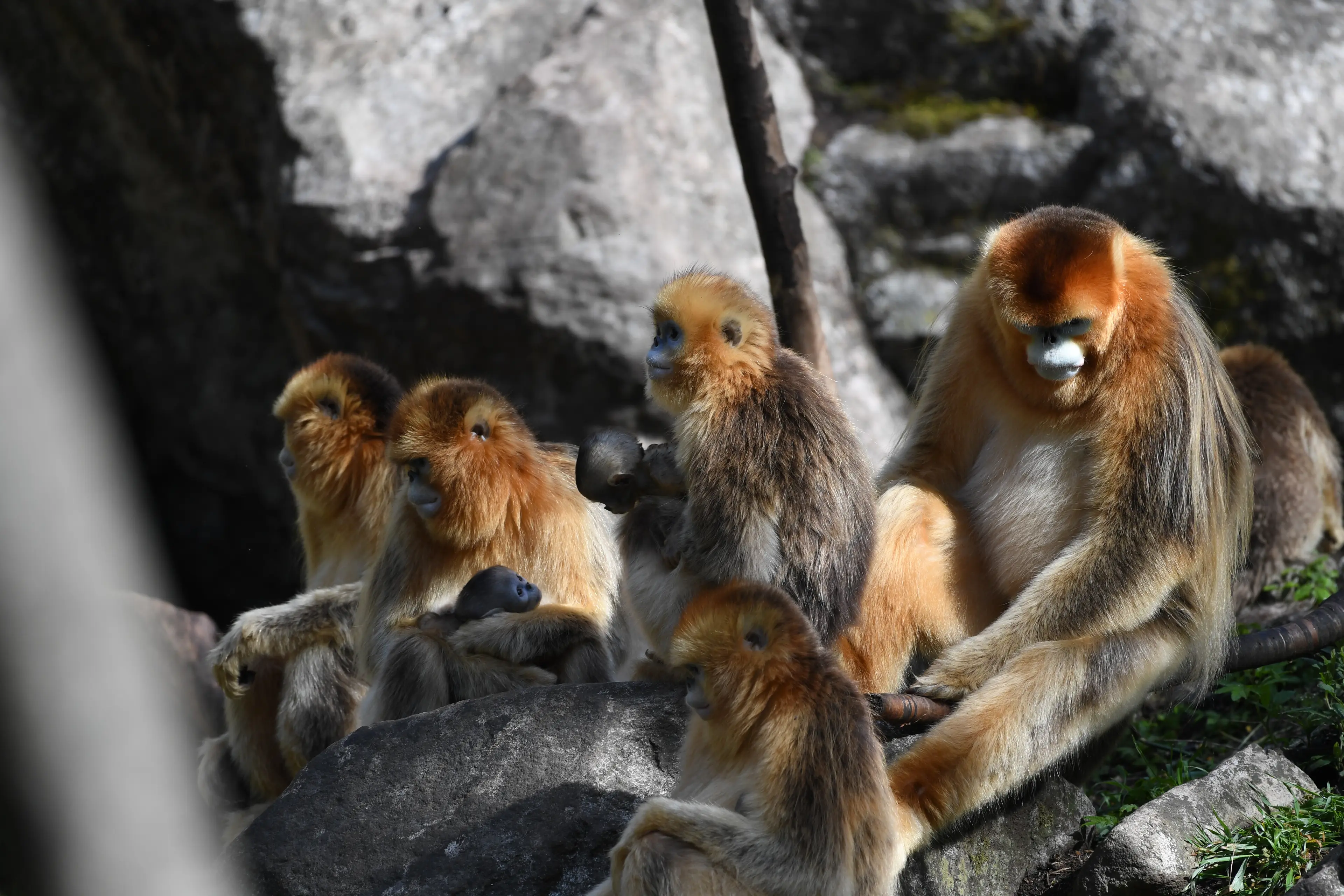
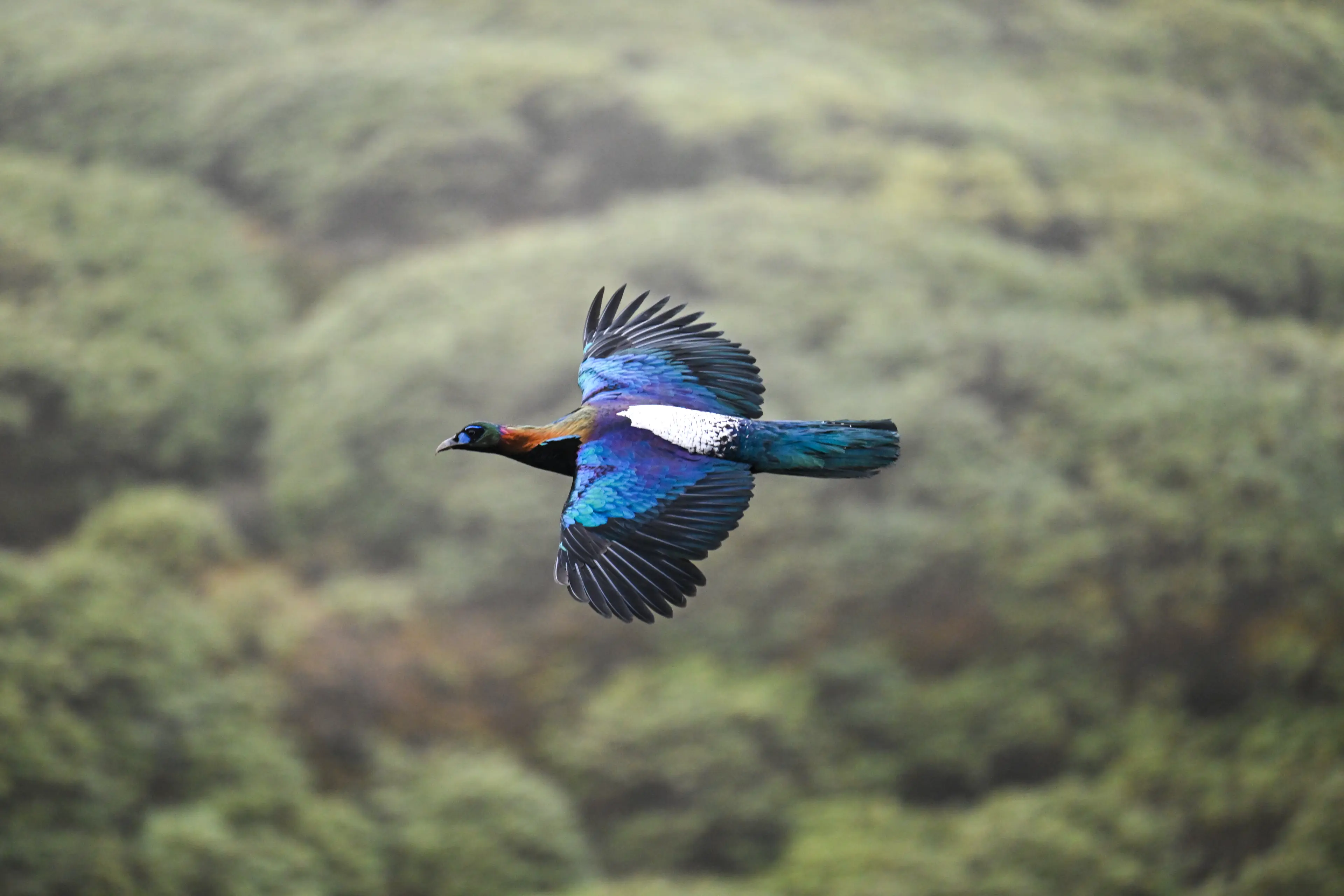
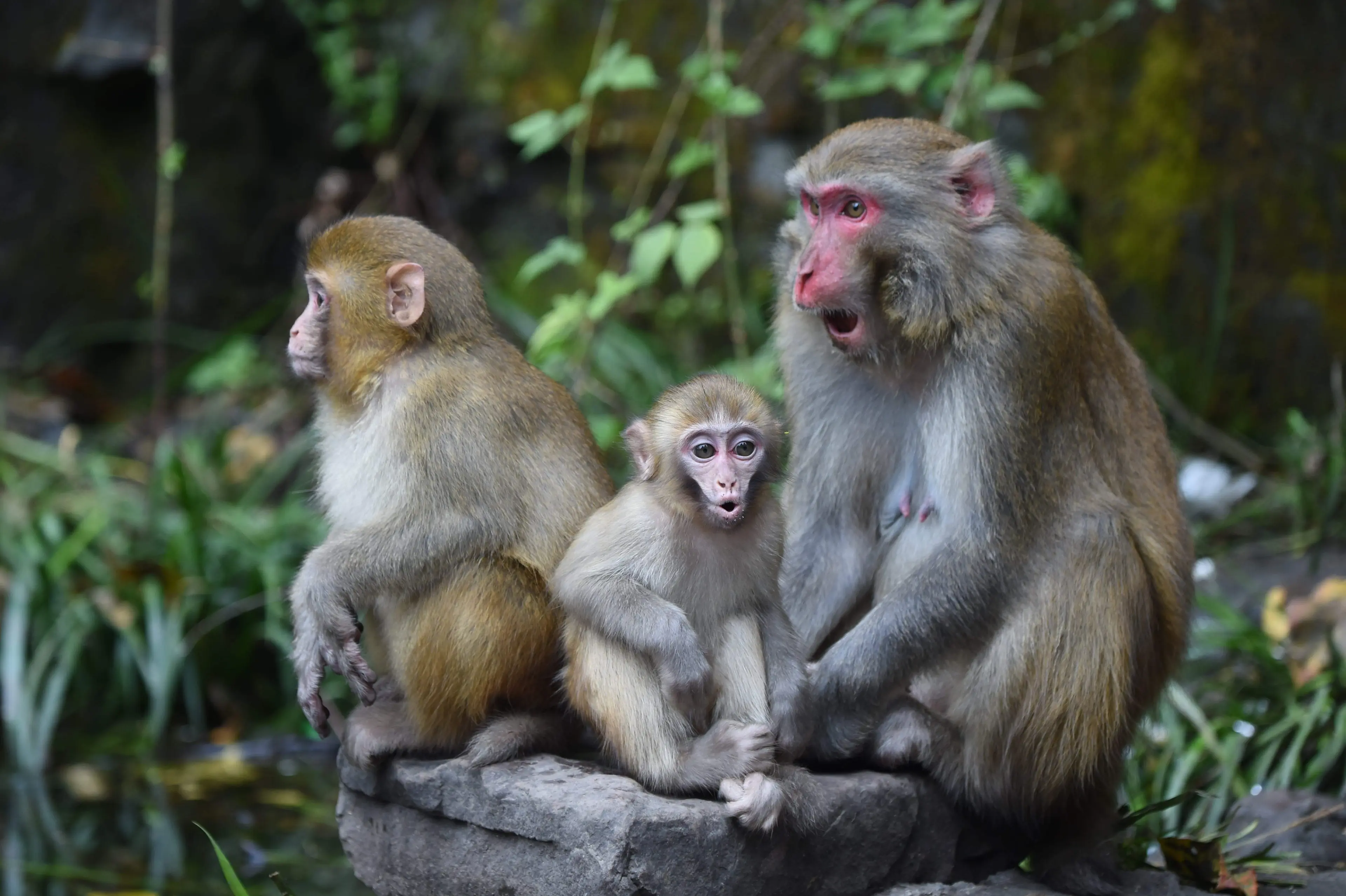
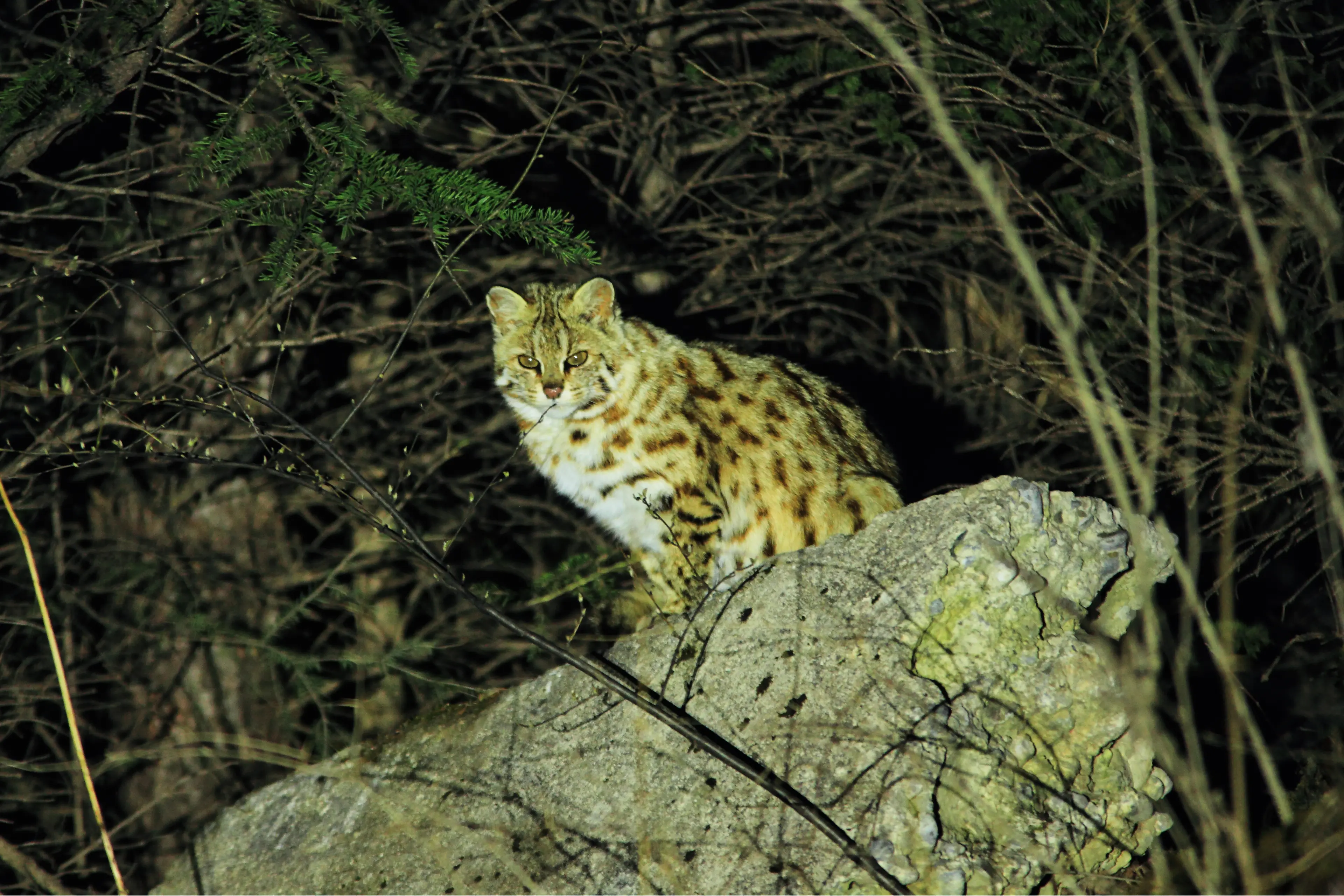
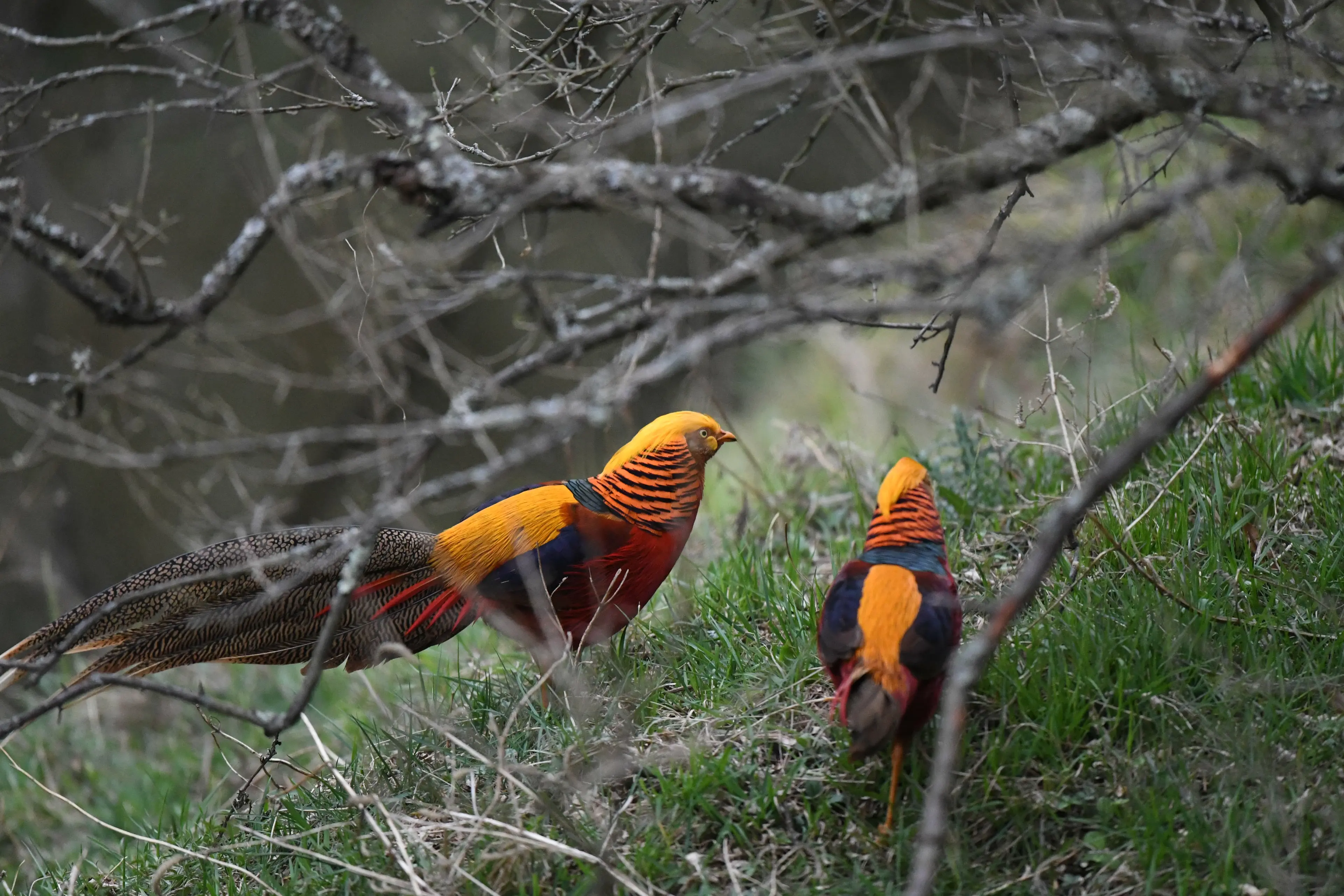
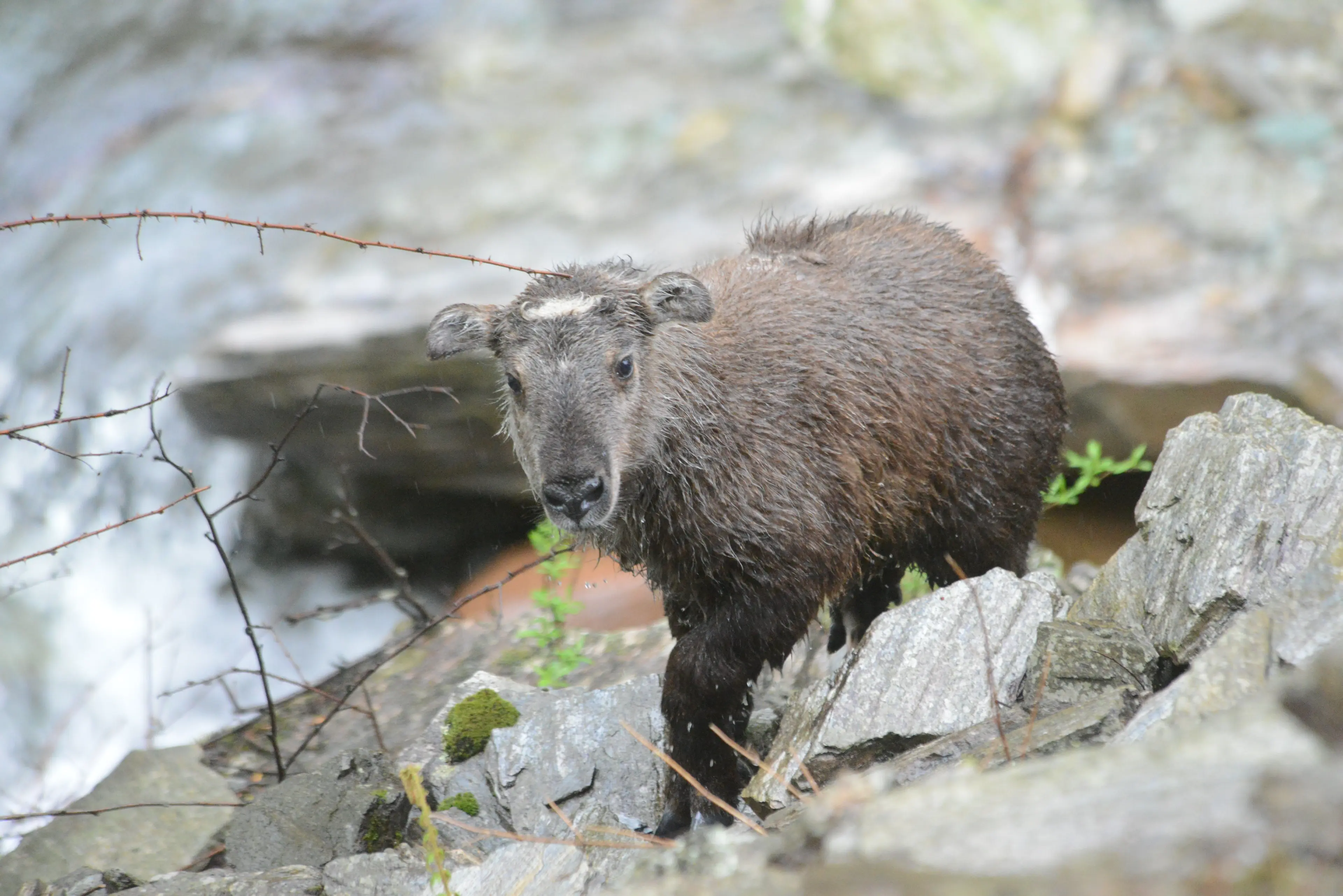
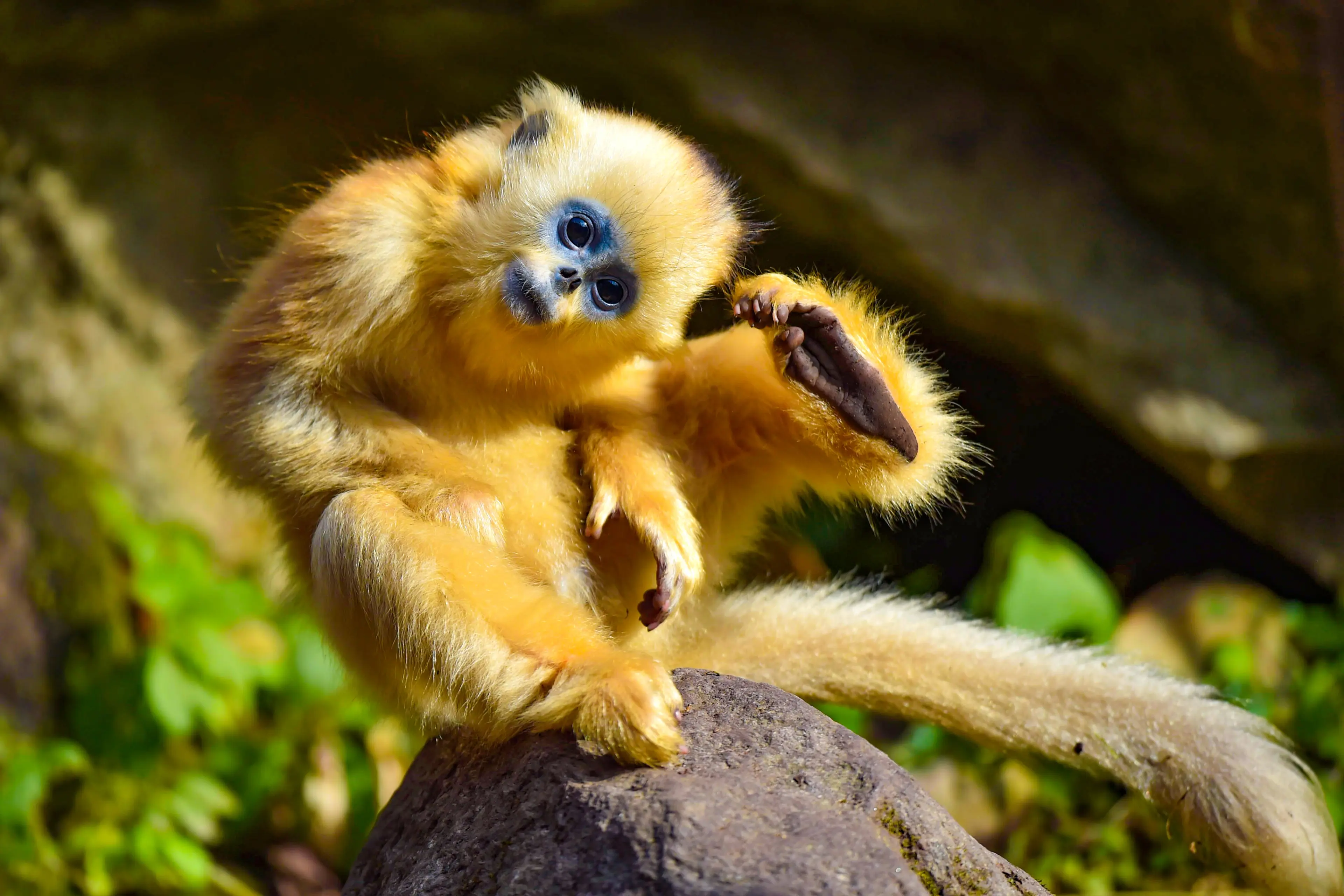
Spend two full days inside Tangjiahe Nature Reserve, searching forest habitats for Sichuan takin, golden snub-nosed monkey, golden pheasant, Chinese goral, macaques, muntjac, and other wildlife.
Search the bamboo-rich slopes of Labahe Nature Reserve for wild red panda and companion mammals in one of the region's strongest natural viewing areas.
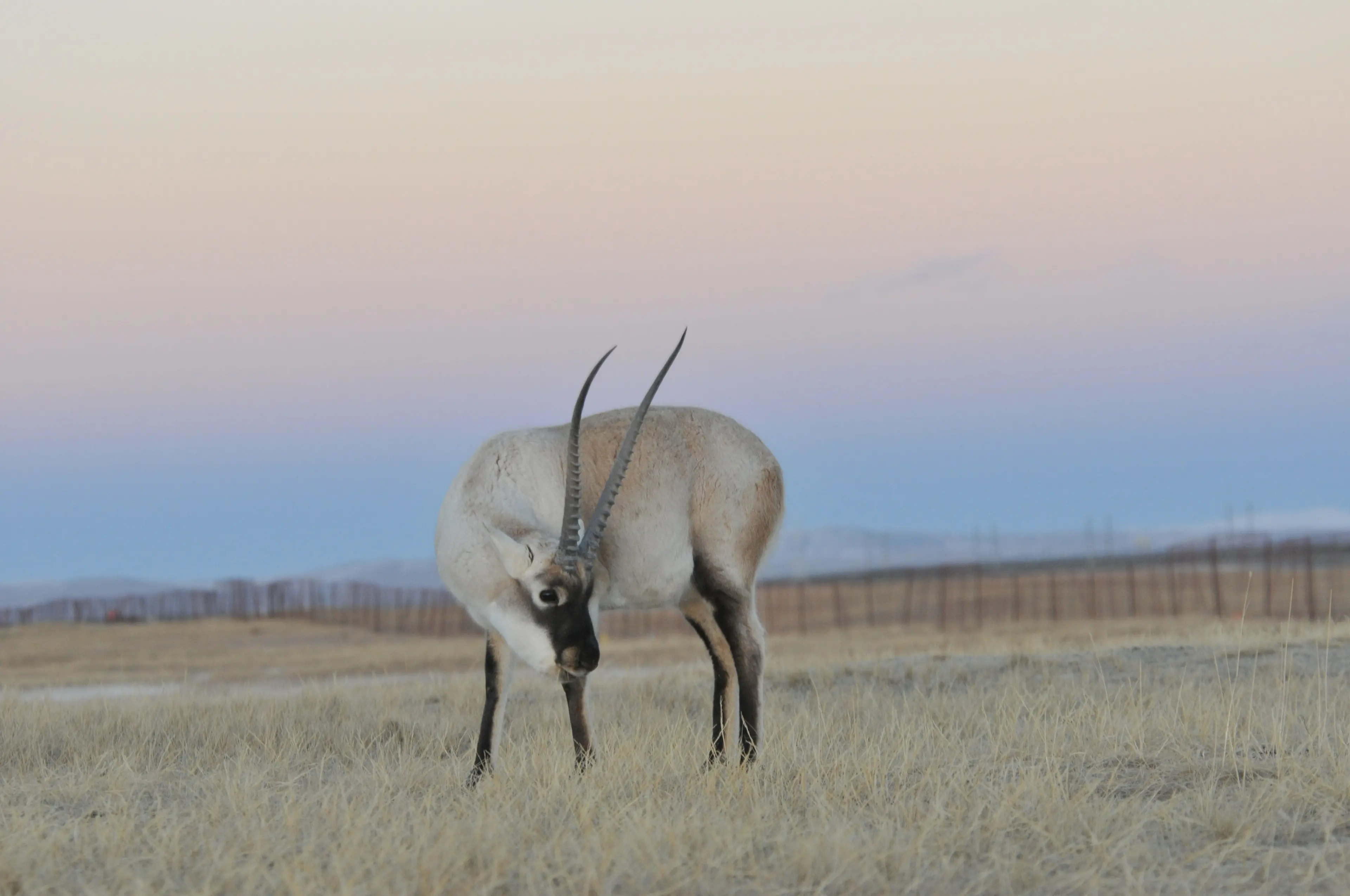
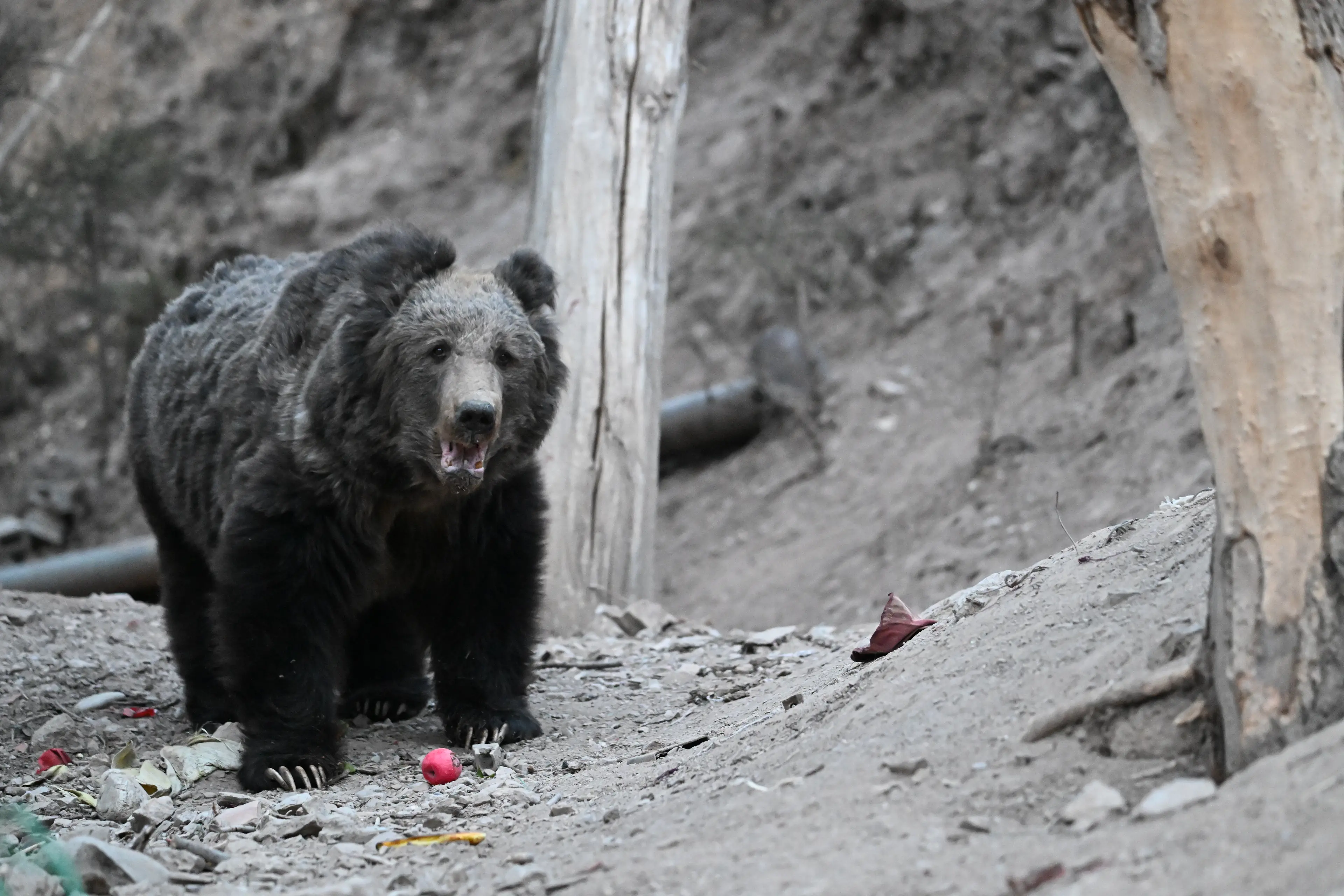
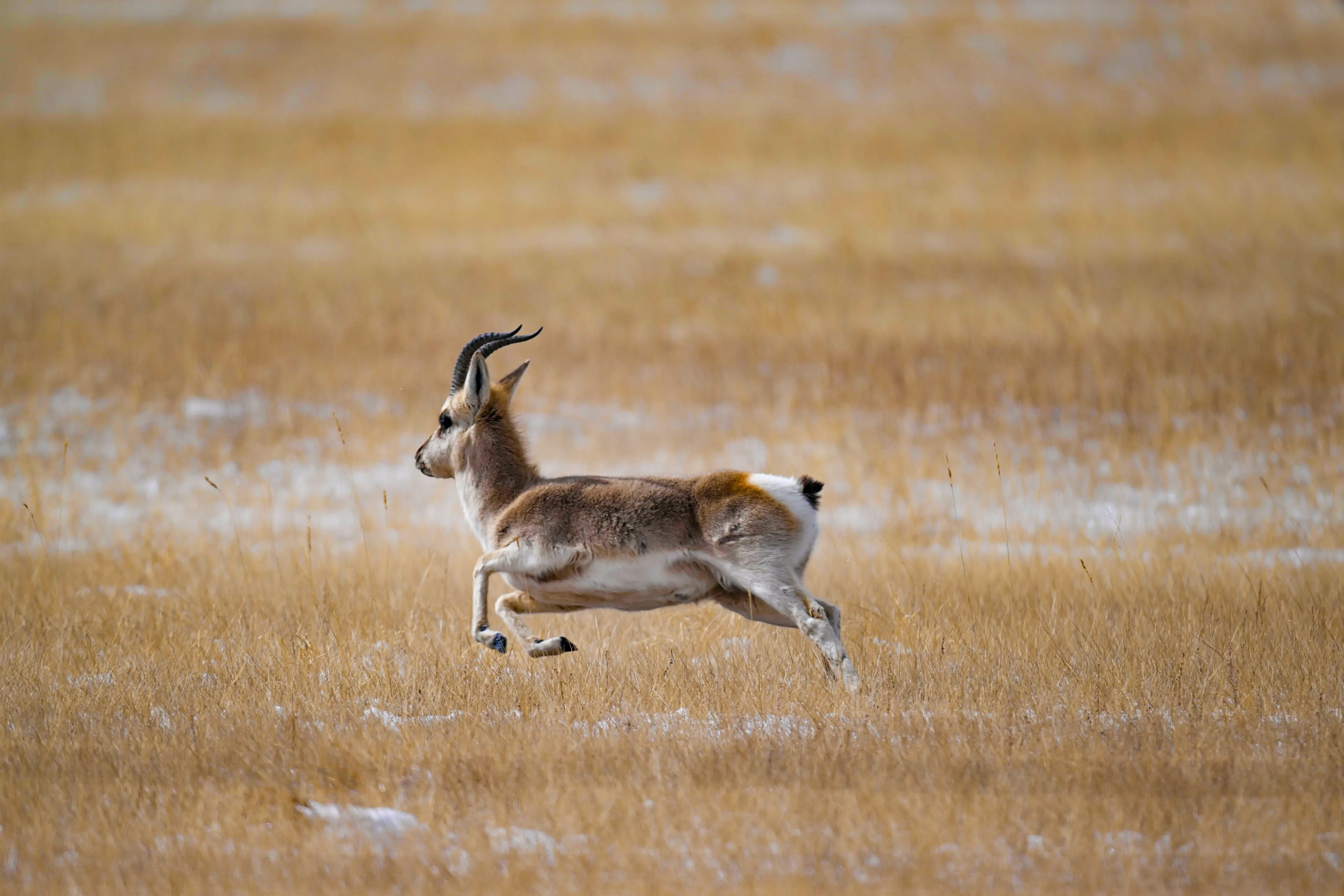
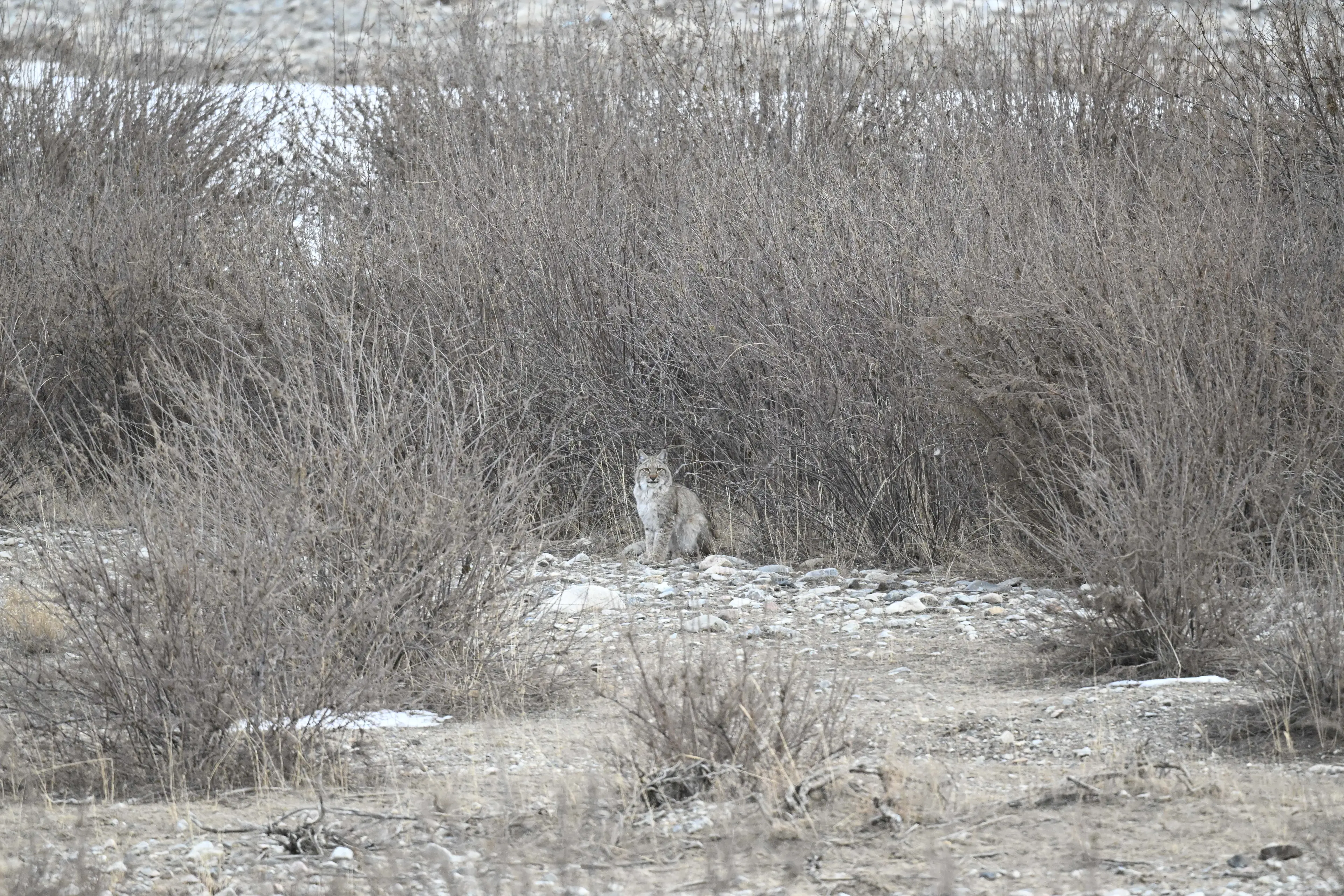
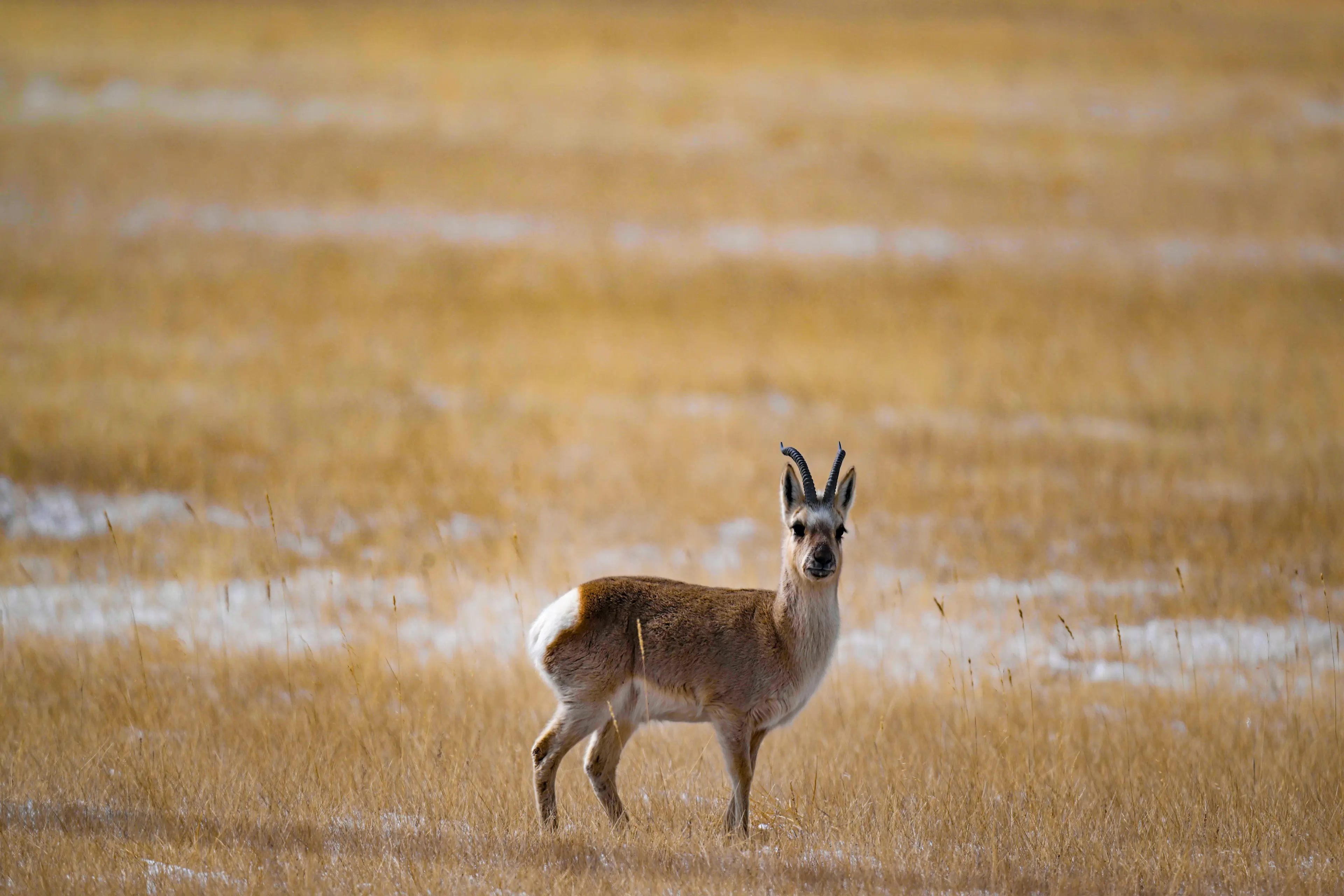
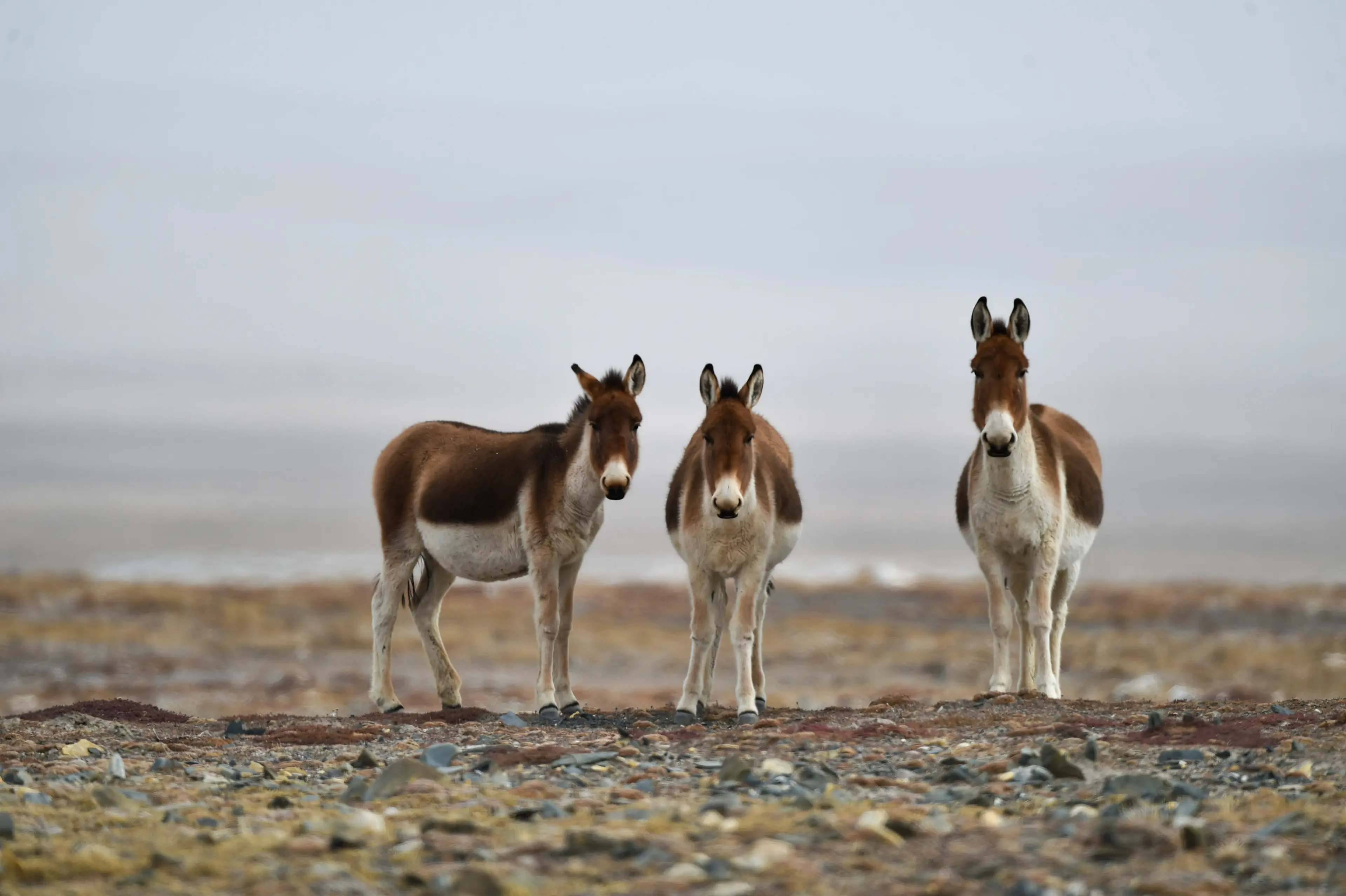
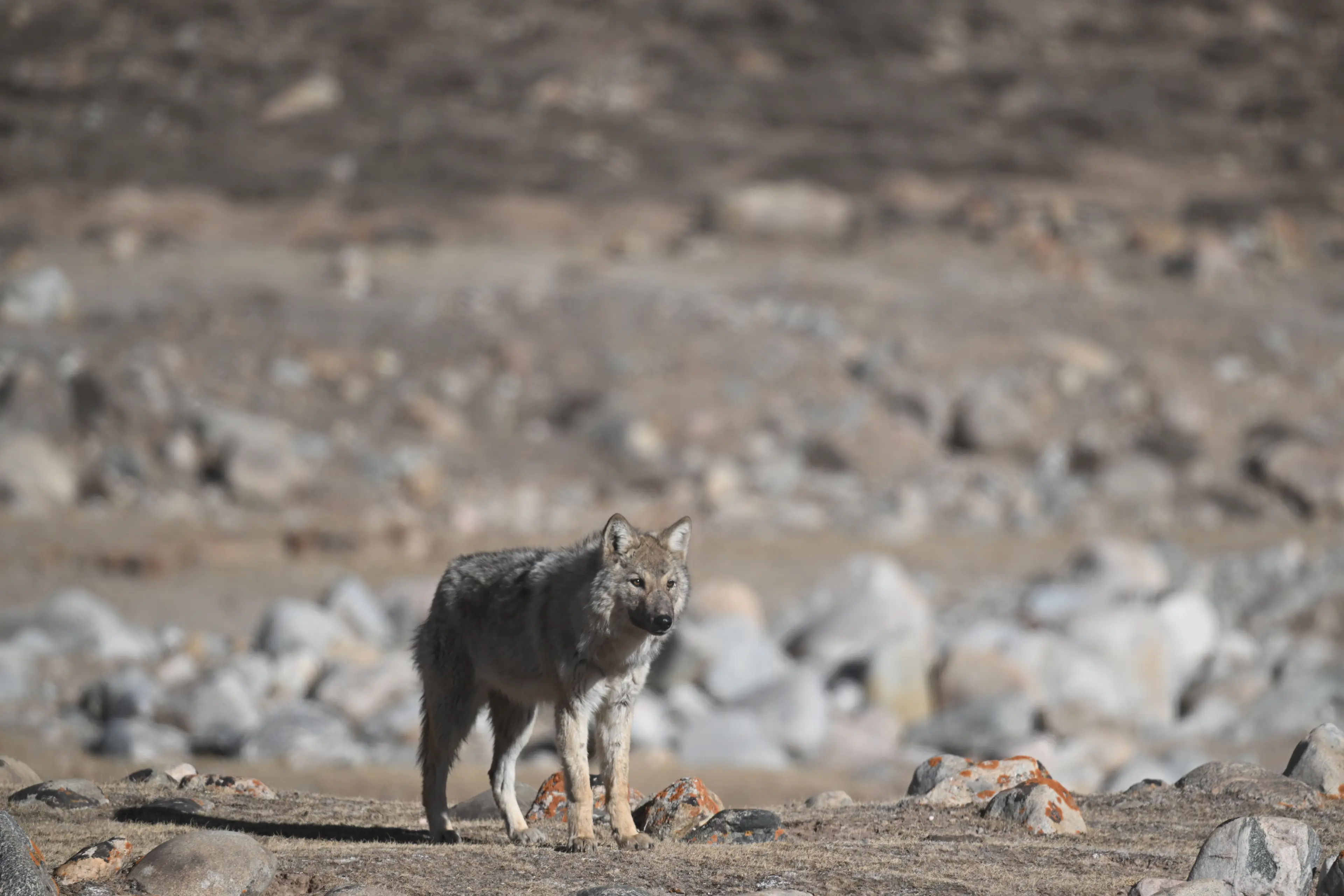
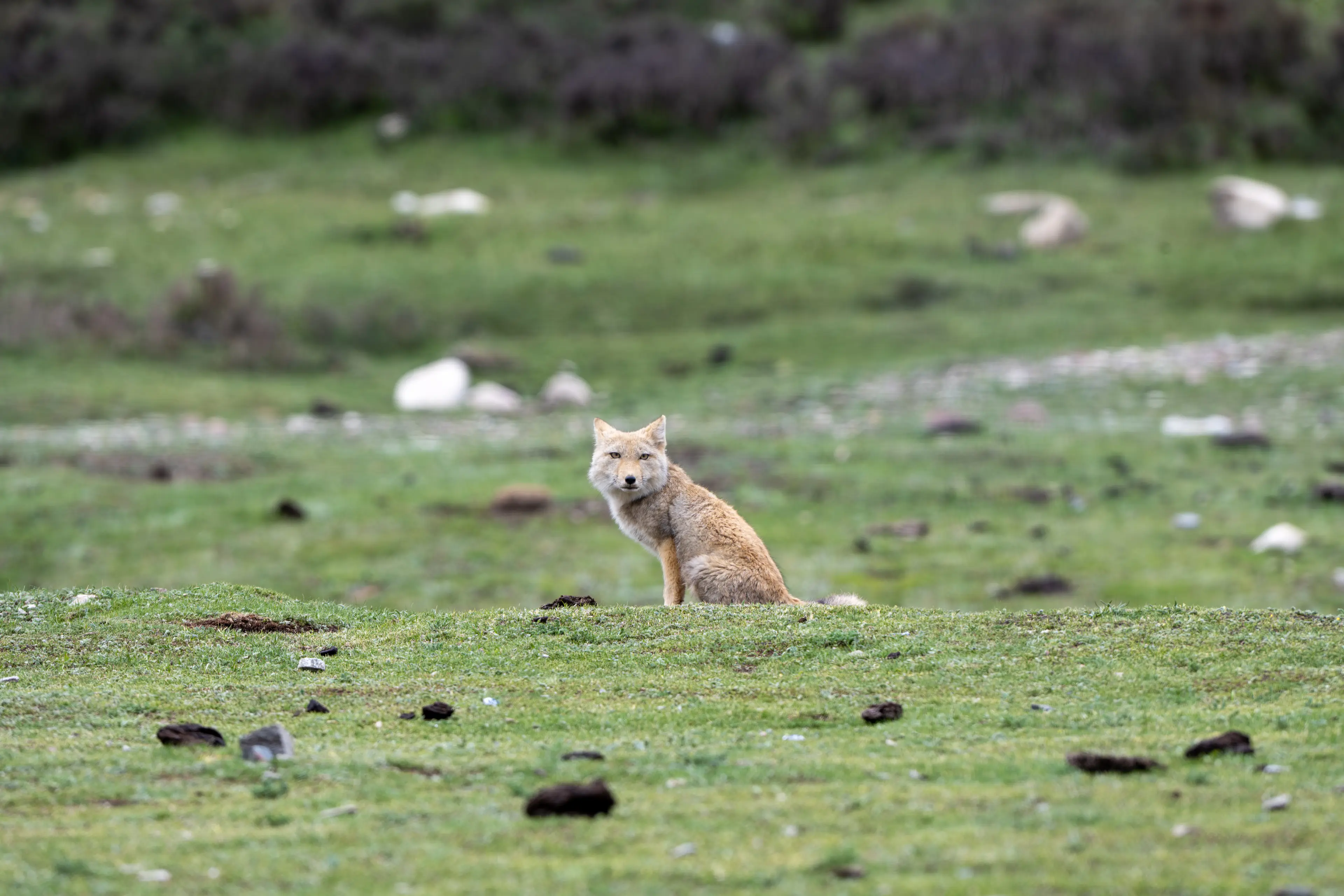
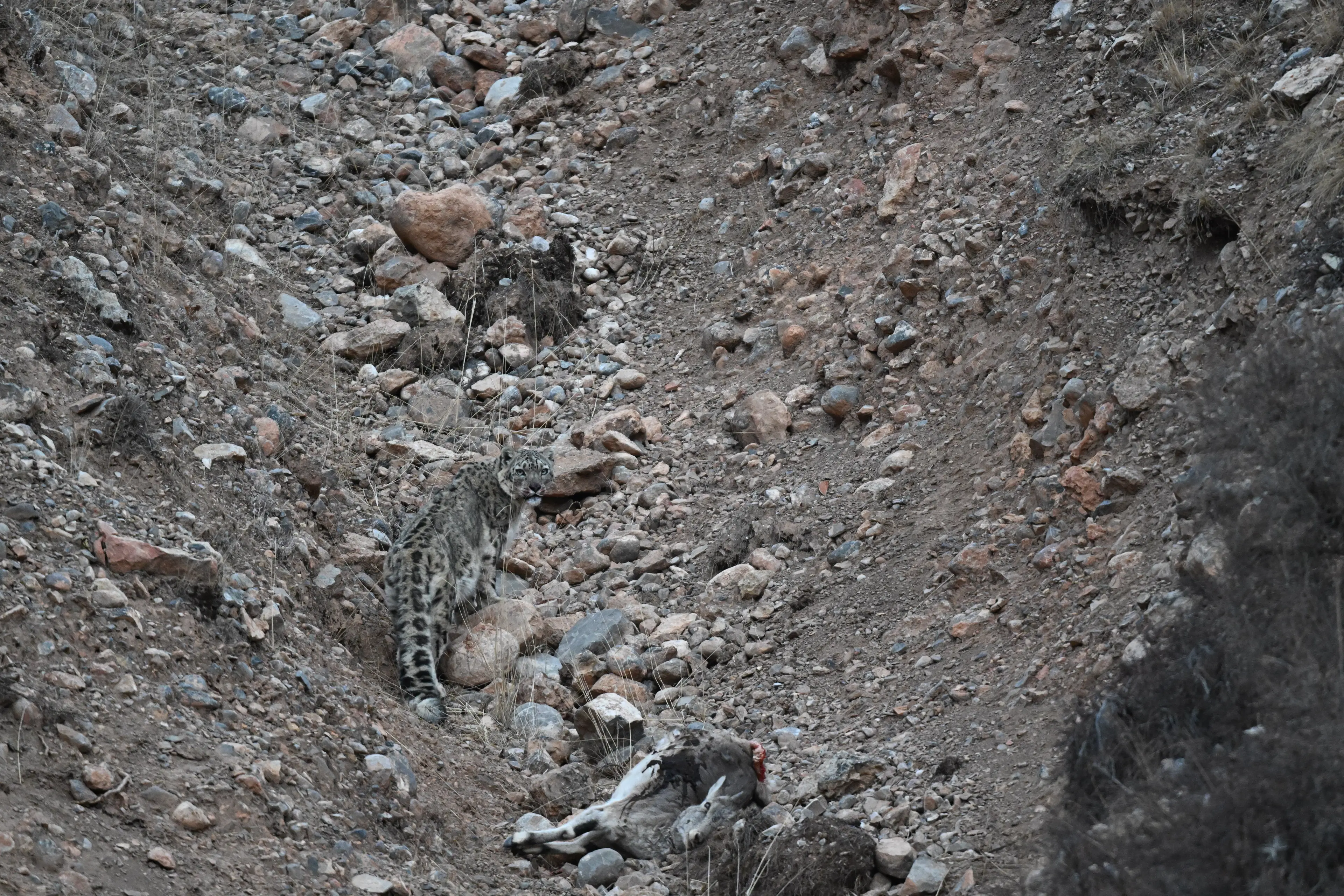
Cross western Sichuan and the Qinghai-Tibet Plateau for chances to photograph white-lipped deer, Tibetan gazelle, wild yak, Tibetan antelope, kiang, Tibetan fox, brown bear, and plateau birds.
Experience a dramatic ecological transition from low-elevation temperate forests near Chengdu to remote alpine grasslands and Hoh Xil at approximately 4,600m.
Travel through Kham Tibetan agricultural and nomadic regions, with monasteries, Mani stones, traditional houses, Qinghai Lake wetlands, and living local culture woven into the wildlife journey.
From the Journey
Day 1
Arrive in Chengdu, settle in, and begin with a gentle introduction to Sichuan before the route moves deeper into reserve country. Depending on arrival time, there is room for a short city walk and an easy first meal together.
Day 2
Visit the Chengdu Panda Base in the morning, when giant pandas are usually more active. Spend time observing giant pandas and learning about panda conservation before leaving Chengdu. After lunch, drive to Tangjiahe National Nature Reserve, one of Sichuan’s best places for wildlife exploration. Upon arrival, check into accommodation near the reserve and prepare for the next day’s nature walks.
Day 3-4
Devote two full days to the forests and valleys of Tangjiahe, exploring different trails and wildlife-viewing areas with an experienced guide and local ranger. Possible encounters include Sichuan takin, golden snub-nosed monkey, Asiatic black bear, Tibetan macaque, golden pheasant, Chinese goral, serow, muntjac, otter, and other forest species. When conditions allow, an evening walk may reveal nocturnal wildlife around the lodge.
Day 5
Leave Tangjiahe and return south to Chengdu on a relaxed overland journey. Depending on timing and local conditions, pause for light birding, landscape photography, or a brief cultural stop en route. Arrive back in the city with time to rest before the journey turns west toward the Hengduan Mountains.
Day 6
Travel to Ya'an and visit Bifengxia Panda Base, whose forested mountain setting offers a quieter look at giant panda conservation, breeding, and veterinary care. Observe pandas of different ages and look for red pandas and woodland birds within the landscaped grounds. Continue deeper into the mountains to Labahe Nature Reserve.
Day 7
Spend a full day walking forest trails and scanning bamboo-covered slopes for wild red pandas and the wider community of animals that share their habitat. Possible encounters include Sambar, Tibetan Macaque, Chinese Goral, Takin, Serow, Flying Squirrels, Pheasants, and other mountain wildlife. After dark, take a short night walk near the hotel when conditions allow.
Day 8
Climb west through Kangding, the historic gateway of the Tea and Horse Road, and cross the high Zheduo Mountain Pass. Continue through the open scenery around Xinduqiao and Tagong, where Tibetan settlements, monasteries, grasslands, and mountain light create frequent opportunities for photography. Reach Daofu, known for its distinctive Tibetan family houses.
Day 9
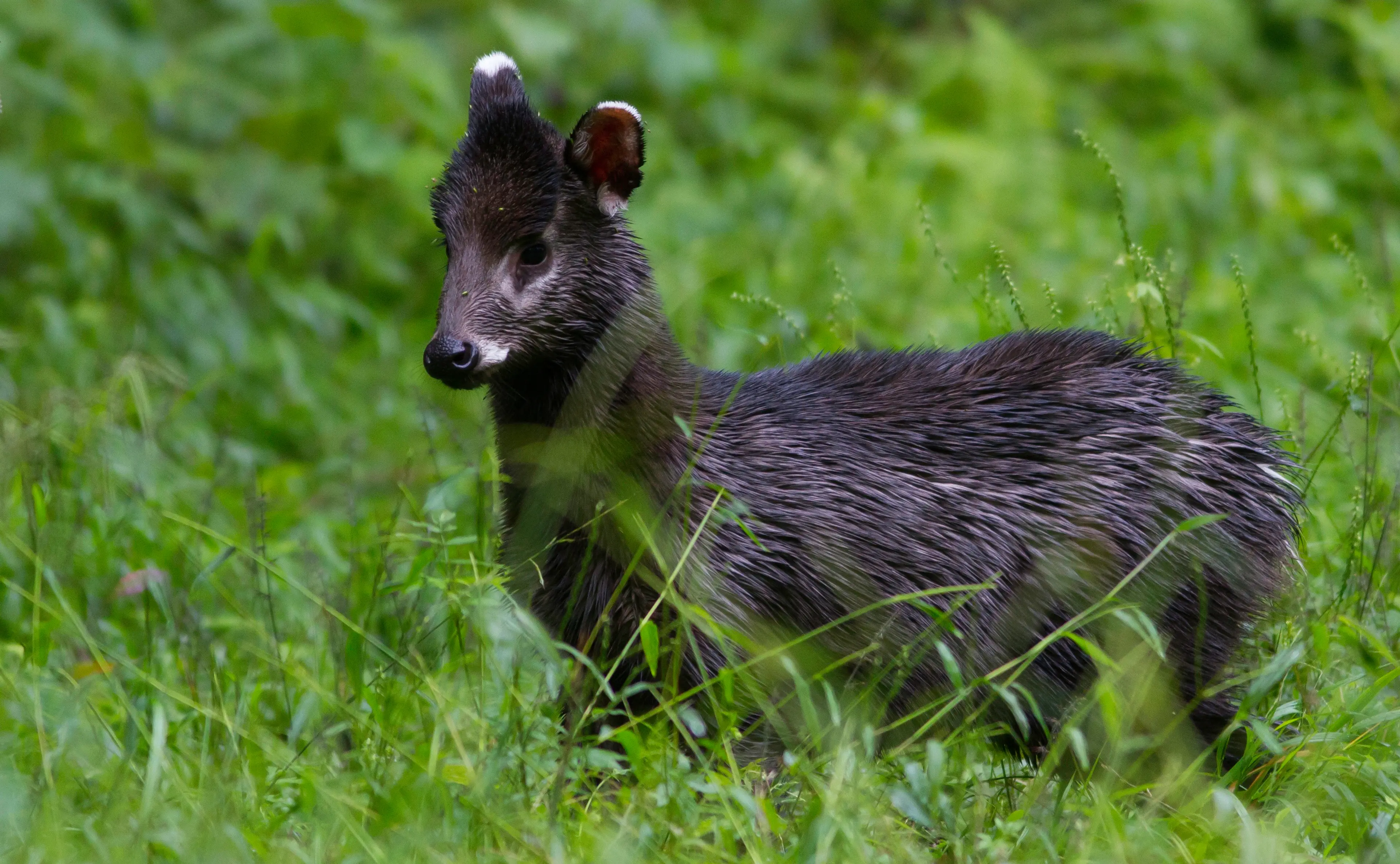
Travel through a sequence of historic tribal regions, watching architecture and landscape change from one valley to the next. Make unhurried stops for scenery and cultural observation before reaching Manigange, once an important pass on the Tea and Horse Road. In the afternoon, scan the surrounding hills and village edges for white-lipped deer.
Day 10
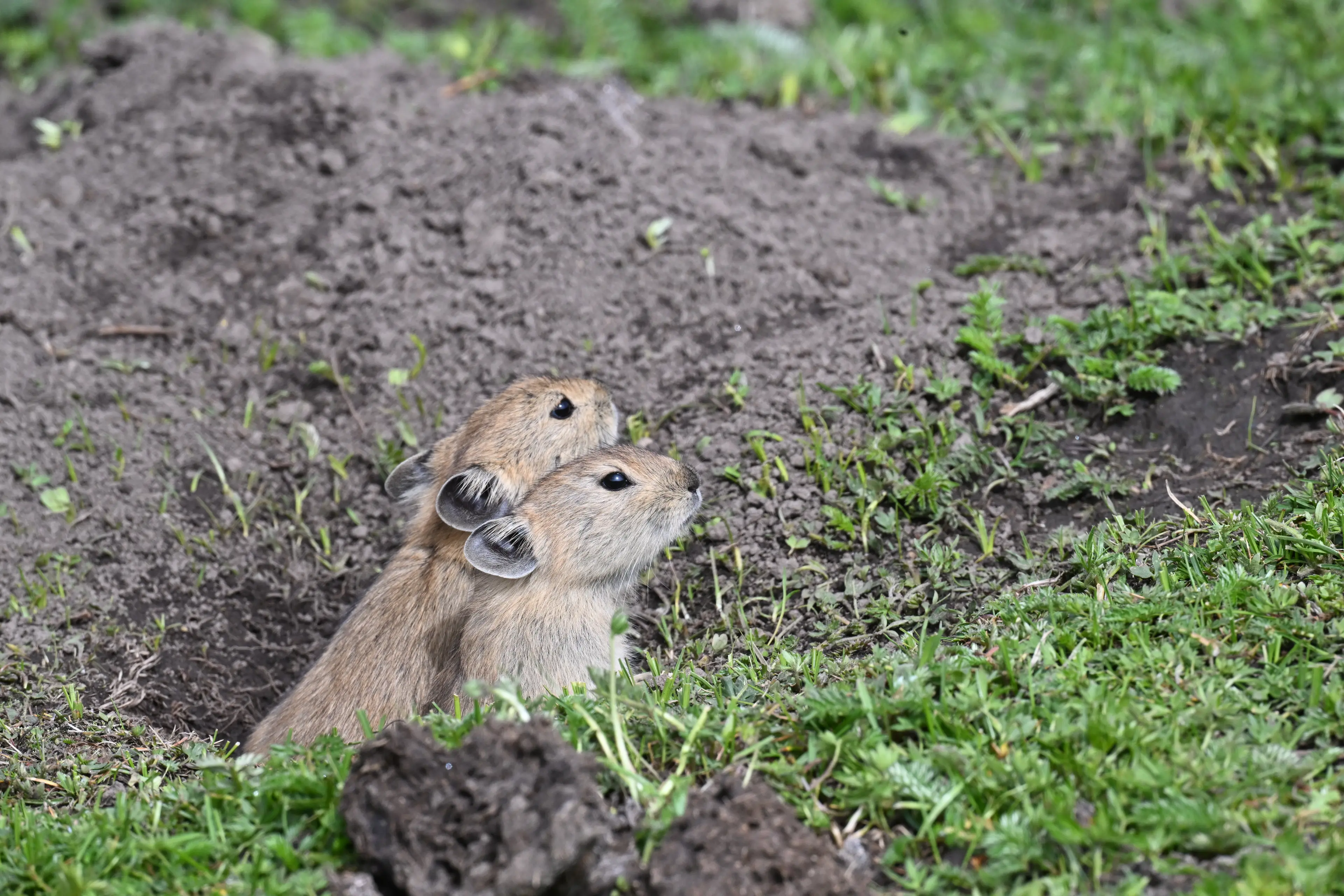
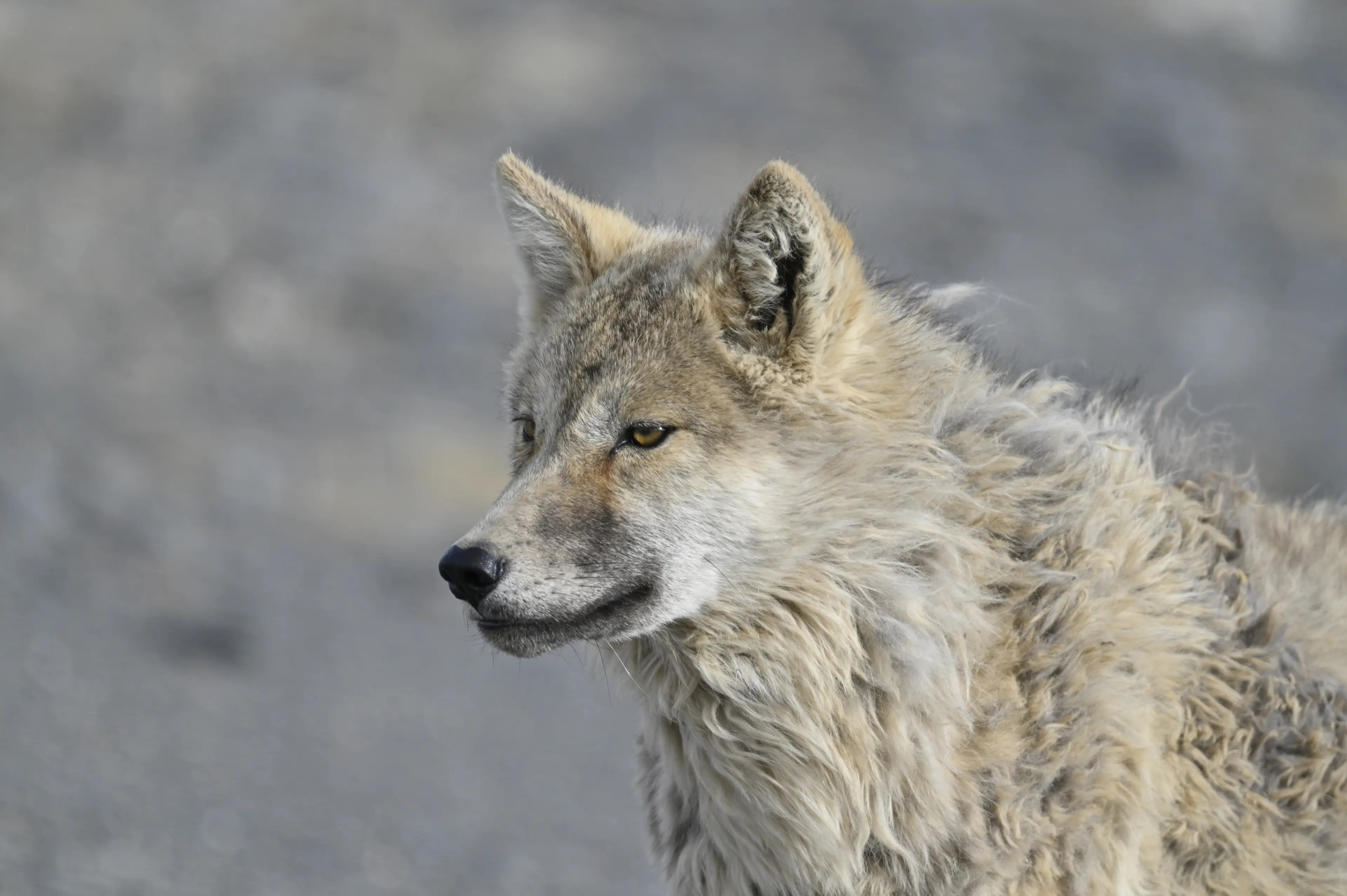
Enter broad nomadic country and pause regularly to scan the grasslands for wolf, Tibetan gazelle, Himalayan marmot, white-lipped deer, and black-lipped pika. On arrival in Yushu, there may be time to visit a monastery and walk beside local pilgrims around the immense Xinzhai Mani stone field, adding a vivid cultural layer to the day's wildlife journey.
Day 11
Drive approximately 230km toward Qumalai, using the journey as a moving wildlife search across broad grasslands and mountain slopes. Possible subjects include white-lipped deer, brown bears, kiang, black-necked cranes, and golden eagles, alongside the landscapes and nomadic culture of this predominantly Tibetan region.
Day 12
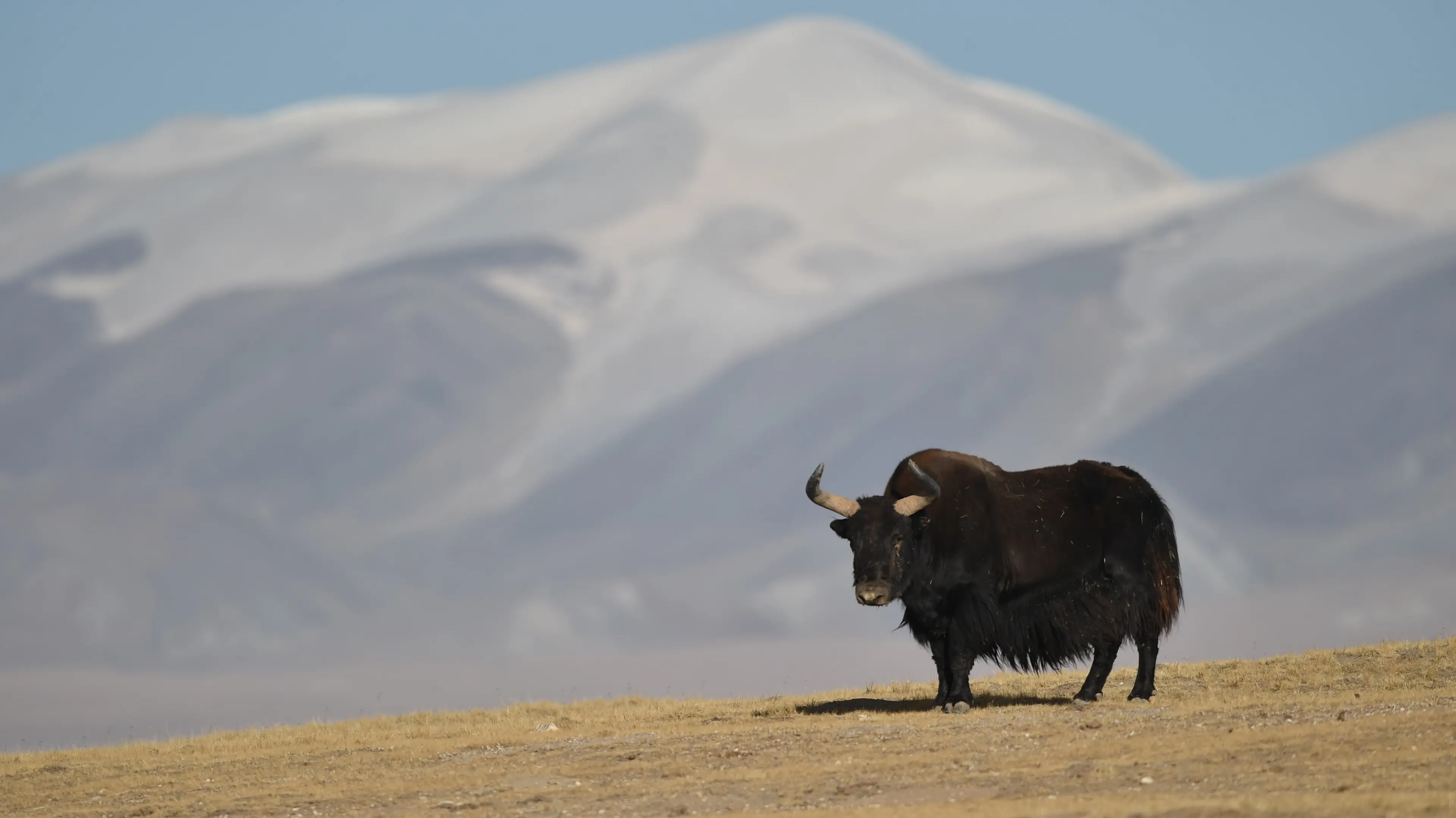
Set out early for the long drive into Hoh Xil, continuing to scan the roadside for white-lipped deer and other plateau wildlife. As the route enters one of China’s largest and most remote protected landscapes, look for wild yak, Tibetan antelope, kiang, brown bears, Tibetan gazelles, and plateau pikas.
Day 13
Spend the day exploring the immense grasslands and snow-mountain horizons of Hoh Xil with an experienced local guide. Search carefully for Tibetan antelope, wild yak, kiang, brown bear, black-lipped pika, Tibetan fox, and other plateau wildlife. The pace remains flexible, allowing time to wait, observe behavior, and photograph animals from a safe and respectful distance.
Day 14
Leave the reserve and drive approximately 370km toward Golmud, continuing to watch for kiang, Tibetan gazelles, blue sheep, and other conspicuous mammals along the road. Reaching the lower elevation of Golmud brings a welcome change of pace and a more comfortable hotel after several nights in remote plateau country.
Day 15
Travel approximately 660km toward the Qinghai Lake region on a long but visually varied overland day. Cross desert landscapes, pause around wooded patches where wildlife may be present, and photograph the distinctive meeting of dry terrain, cultivated areas, and distant mountains before arriving in Gangcha.
Day 16
Follow the edge of Qinghai Lake, scanning wetlands and open grasslands for alpine waterbirds and the rare Przewalski's gazelle. Depending on conditions and group interests, focus on lakeshore birdlife or visit a promising roadside area for the gazelle search. Continue to Xining for a comfortable final night and a relaxed close to the overland safari.
Day 17
Enjoy a calm final morning before your guide transfers you to Xining Airport for your onward flight. The AbsolutePanda journey concludes with assistance at departure.
This is a 17-day overland wildlife safari combining forest trails, roadside scanning, reserve drives, and several long transfer days. Published distances include drives of roughly 260-660km, with the most demanding sections taking seven to nine hours. Flexibility is essential because wildlife activity, weather, and road conditions shape each day.
The route rises gradually from Chengdu at about 500m to Qumalai above 4,000m and Hoh Xil at approximately 4,600m. The published page advises travelers to seek medical advice about altitude sickness before joining. Hydration, warm layers, a measured pace, and immediate communication with the guide are important.
City stays use approximately three-star hotels, while remote regions rely on the best practical local guesthouses. Accommodation in Hoh Xil is explicitly described as basic. All wildlife encounters remain natural and cannot be guaranteed; red panda, wild giant panda, large mammals, and birds depend on weather, habitat conditions, and animal movement.
A few practical questions travelers ask before sending an inquiry.
Plan Your Journey
On Request
Share your travel dates, pace preference and main interests, and we can shape this Sichuan + Qinghai route around Wildlife and Tibetan-Buddhist cultural sites, mountain scenery, and the time you have available.