Day 1
Arrive in Chengdu
Arrive in Chengdu, settle in, and begin with a gentle introduction to Sichuan before the route moves deeper into reserve country. Depending on arrival time, there is room for a short city walk and an easy first meal together.
14 days · Sichuan
Explore Sichuan's panda forests, Jiuzhaigou, Sika deer country, and the wildlife-rich grasslands of Ruoergai on a guided photography-focused safari.
Duration
14 days
Region
Chengdu, Qingxi Ancient Town, Panda Habitat, Pingwu, Jiuzhaigou, Tiebu Sika Deer Nature Reserve, Ruoergai, Songpan, Wenchuan, Wolong, Chengdu
Group Type
Private or small group
Best Time
Every spring and autumn
Price
On Request
Overview
Travel from Chengdu into northern Sichuan's temperate forests, where giant panda habitat protects a remarkable community of mammals and birds. Continue through Jiuzhaigou, Tiebu Sika Deer Nature Reserve, and Ruoergai's highland wetlands before returning via Wolong Panda Base.
Highlights
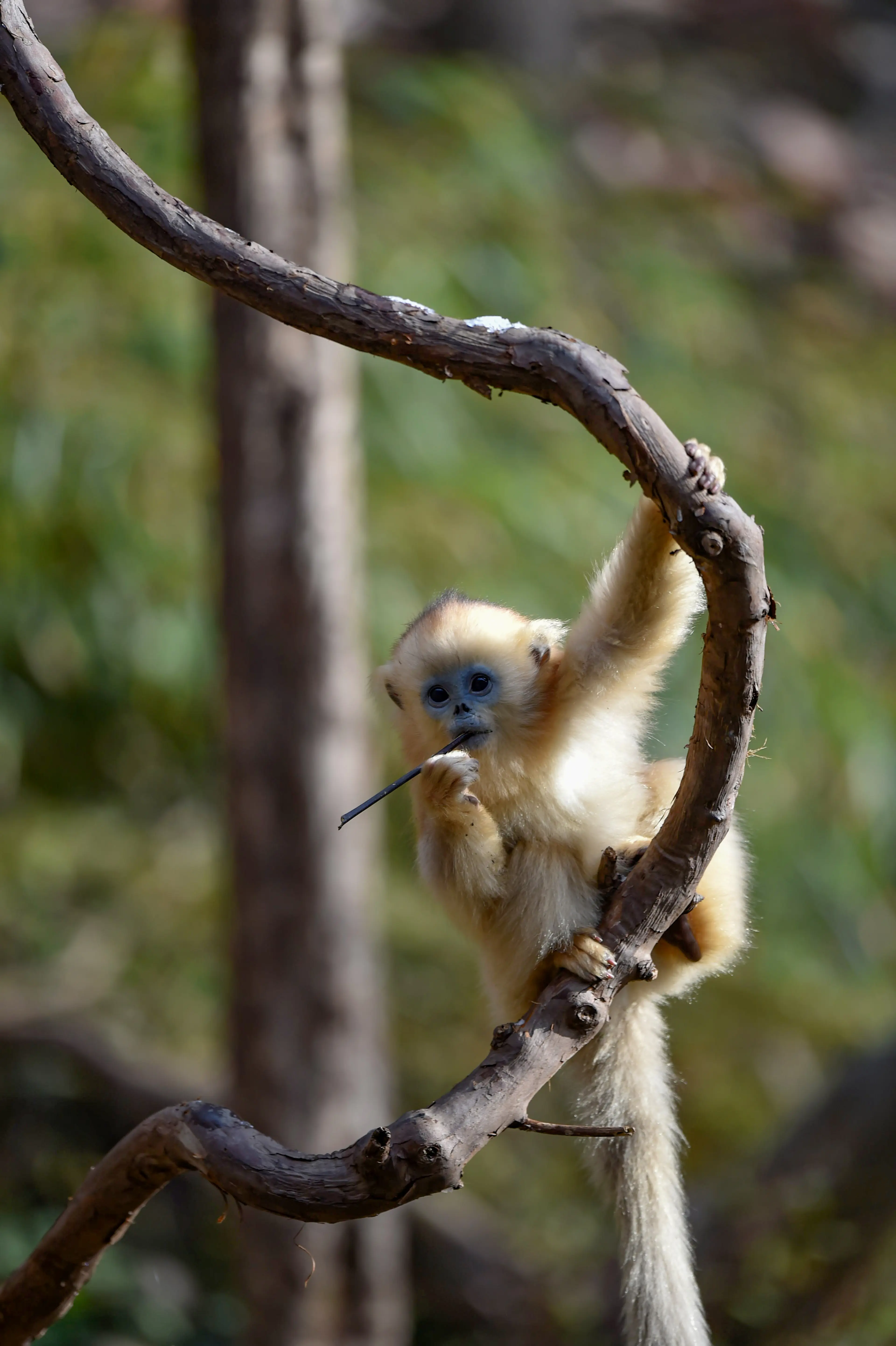
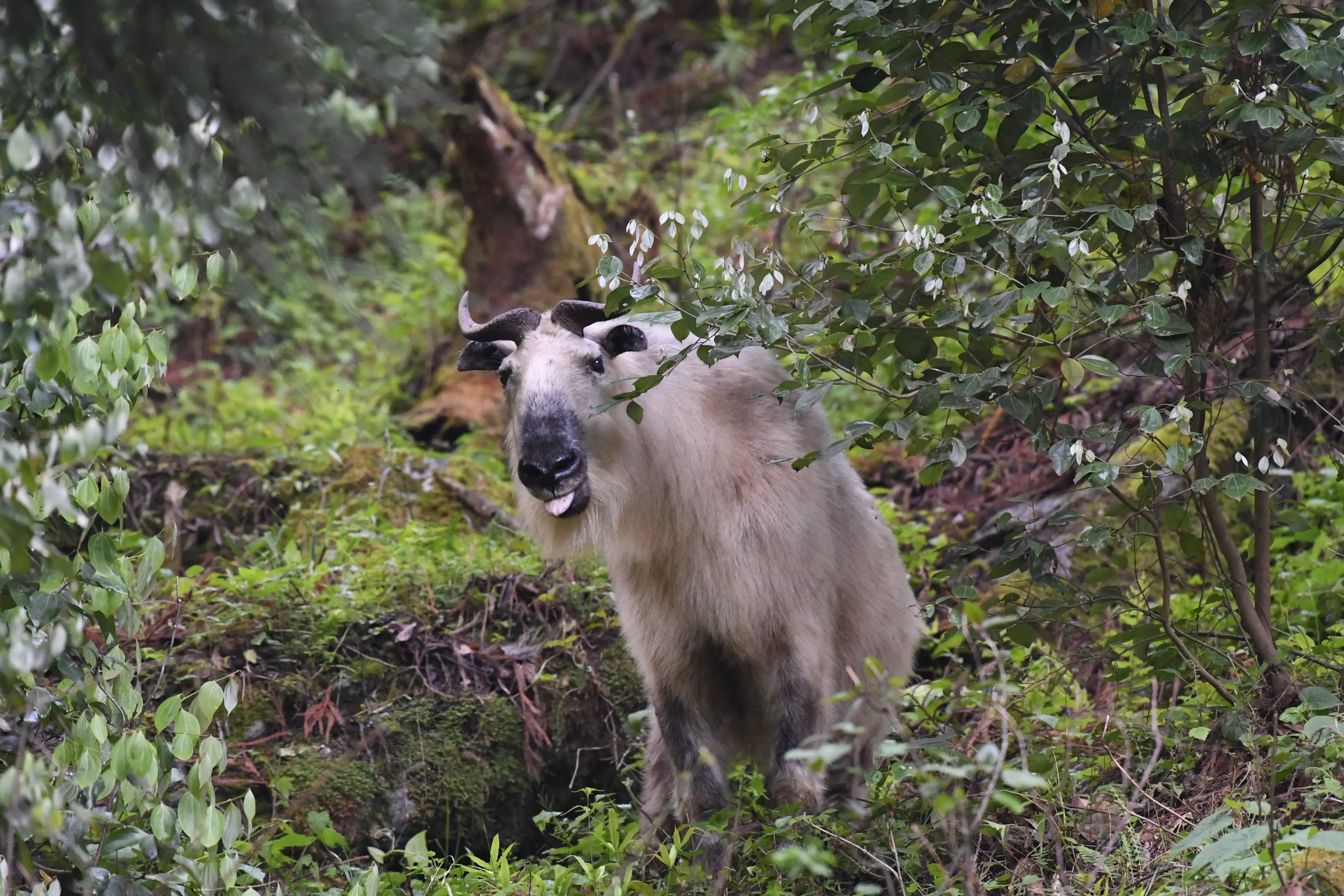
Spend two full days exploring genuine giant panda habitat, searching for takin, golden snub-nosed monkey, Asiatic black bear, pheasants, goral, serow, and other forest wildlife.
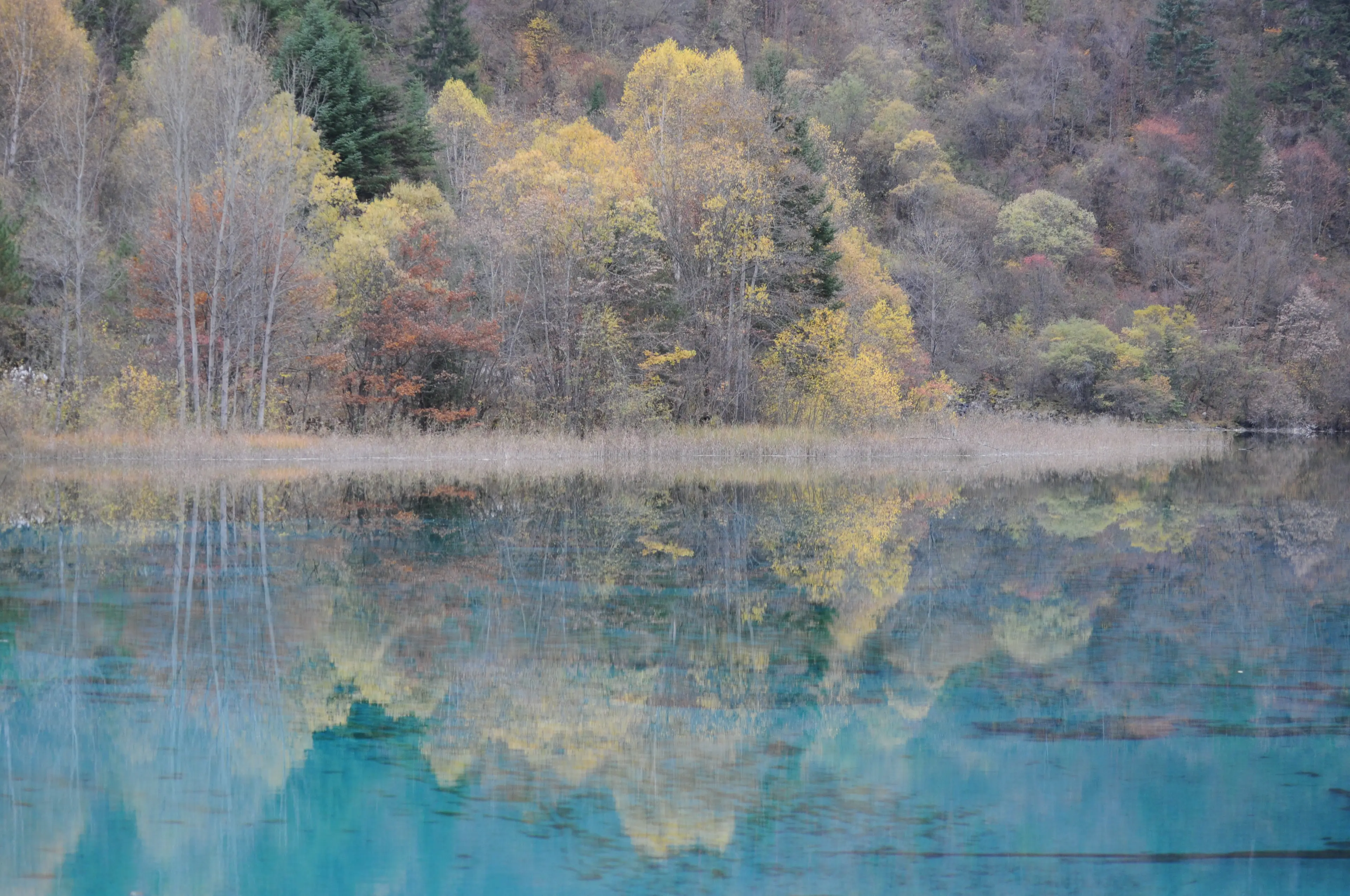
Photograph the lakes, waterfalls, forests, and Tibetan landscapes of UNESCO-listed Jiuzhaigou National Park.
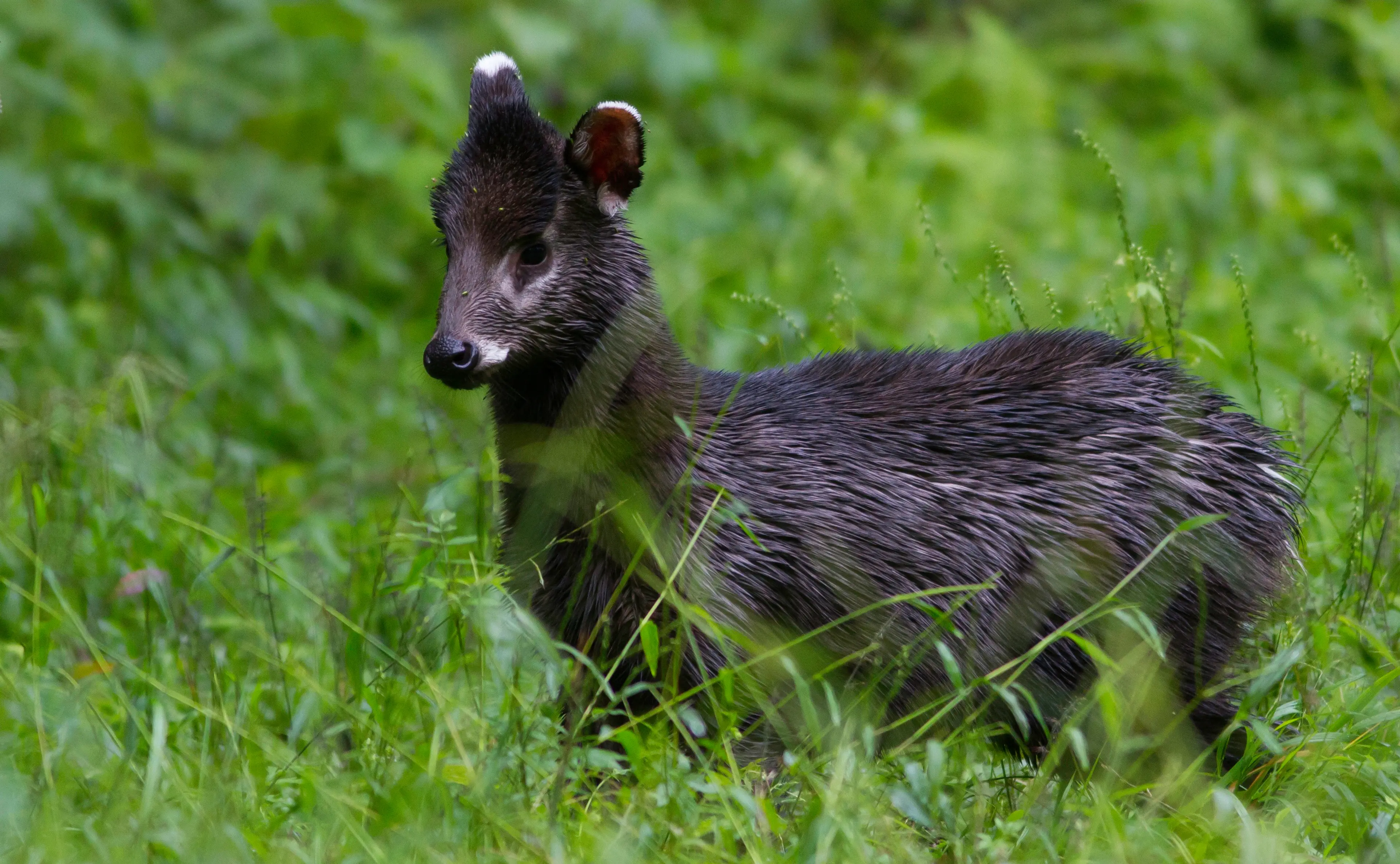
Search for wild Sika deer in Tiebu Nature Reserve, where deer, villages, farmland, and grazing livestock share the same mountain landscape.
Explore Ruoergai's grasslands, wetlands, lakes, and forest edges for Pallas's cat, Tibetan fox, black-necked crane, marmots, raptors, and plateau birds.
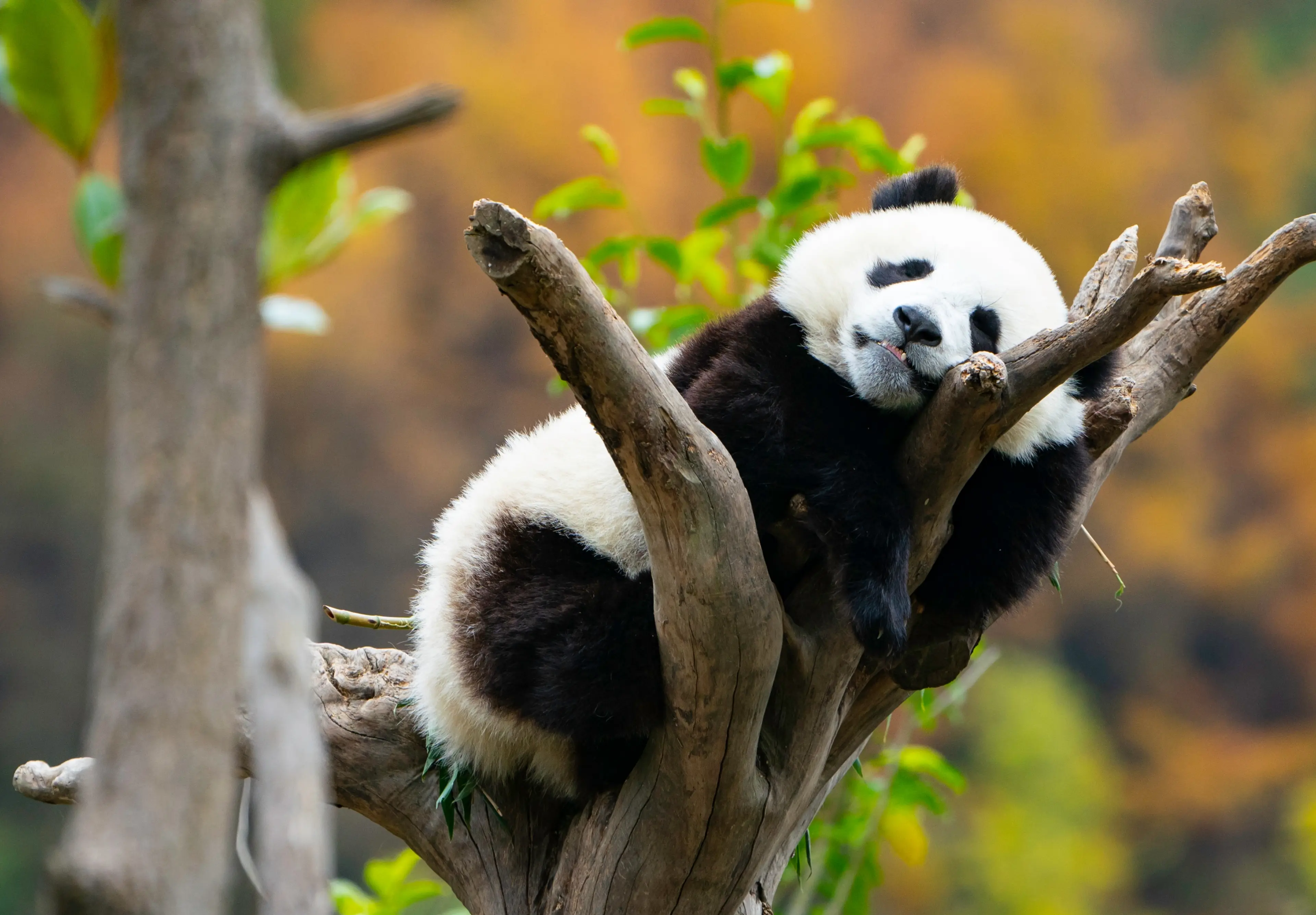
End with a quieter panda experience at Wolong Panda Base, set within the wider mountain habitat of the giant panda.
From the Journey
Day 1
Arrive in Chengdu, settle in, and begin with a gentle introduction to Sichuan before the route moves deeper into reserve country. Depending on arrival time, there is room for a short city walk and an easy first meal together.
Day 2
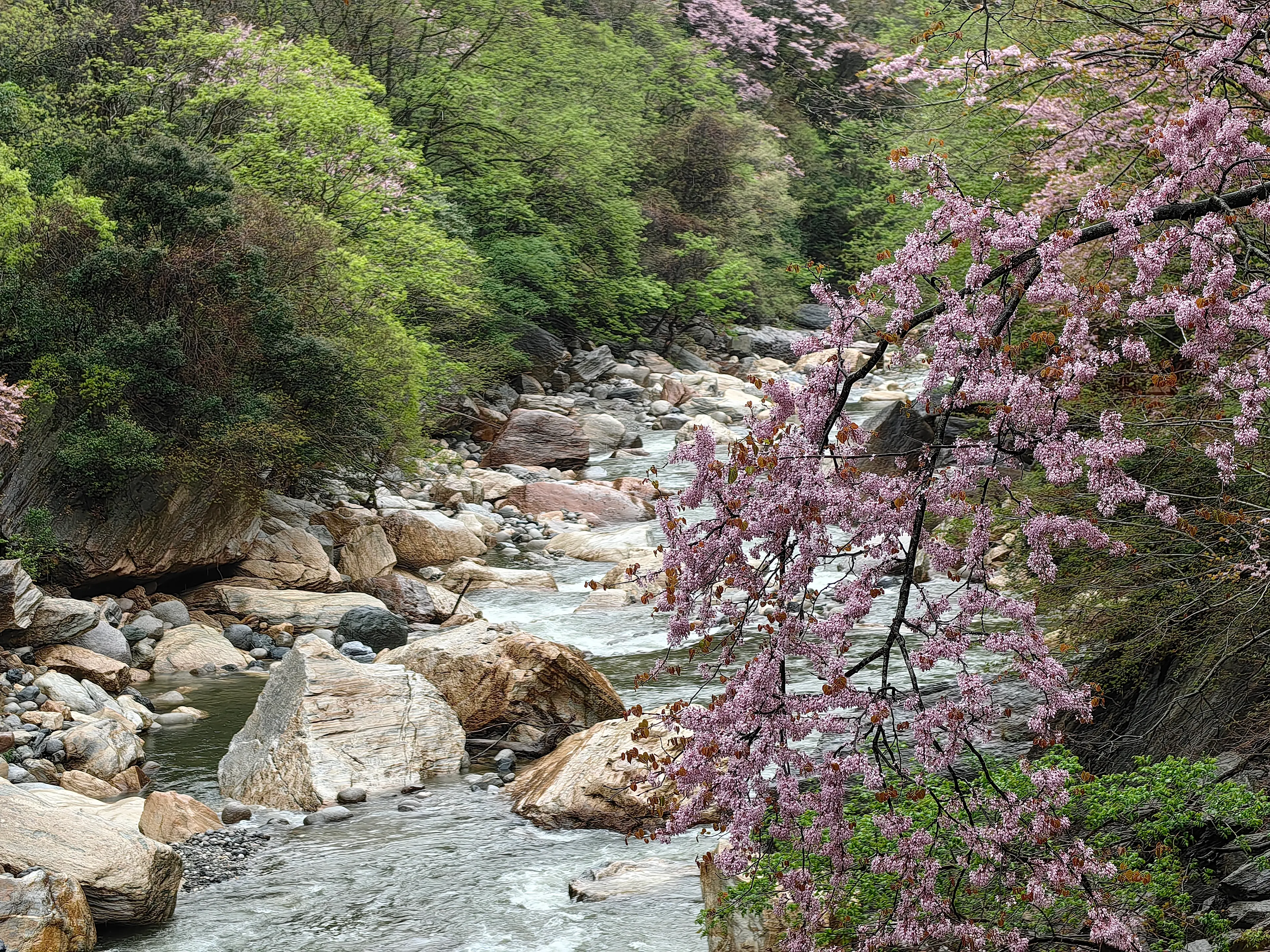
Leave Chengdu for northern Sichuan, pausing at Qingxi Ancient Town to walk through its old streets and Ming- and Qing-style architecture. The town reflects a long history of trade and the quiet coexistence of Hui Muslim and Han Chinese communities. Continue into the mountain forests of the panda habitat and settle close to the reserve.
Day 3-4
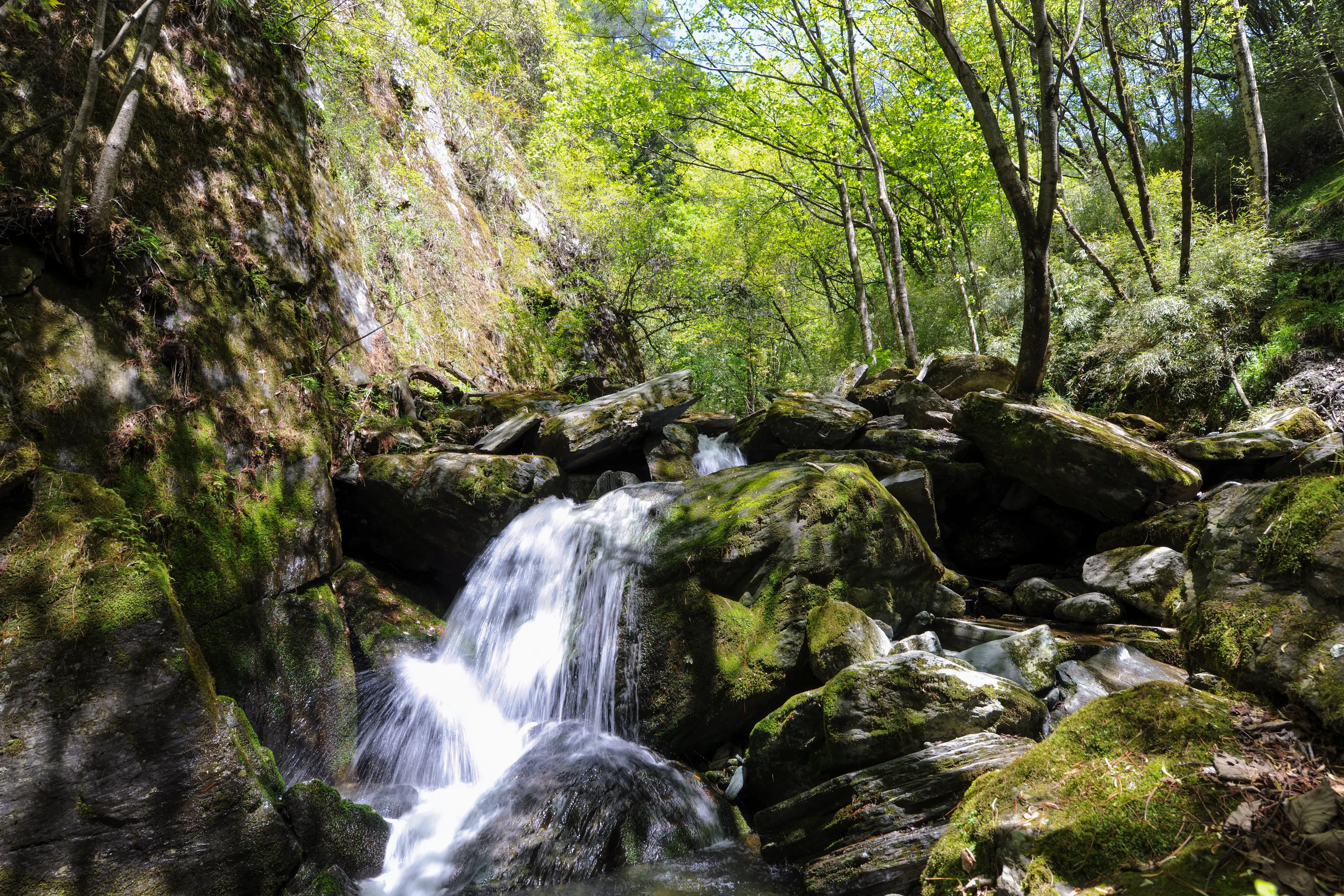
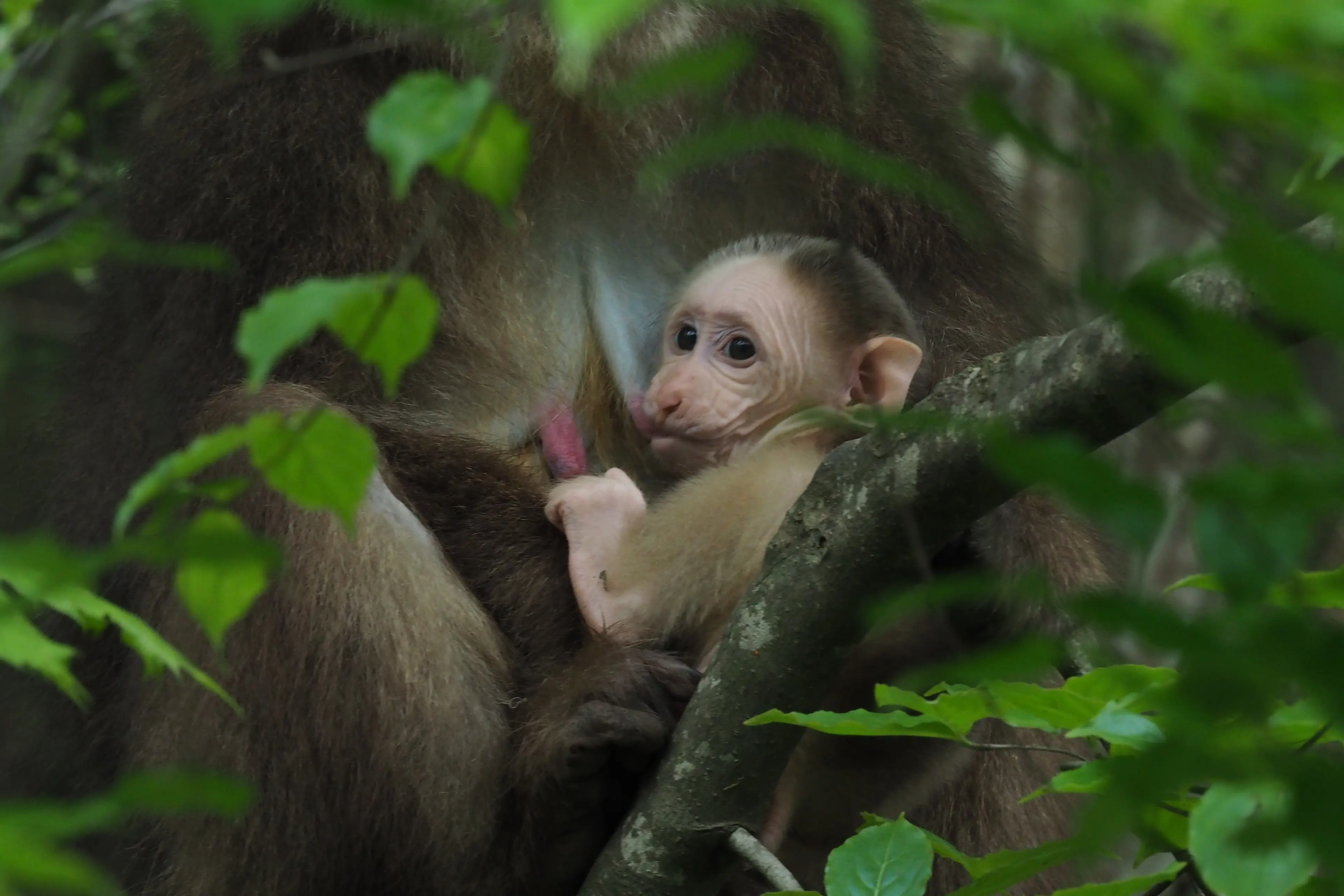
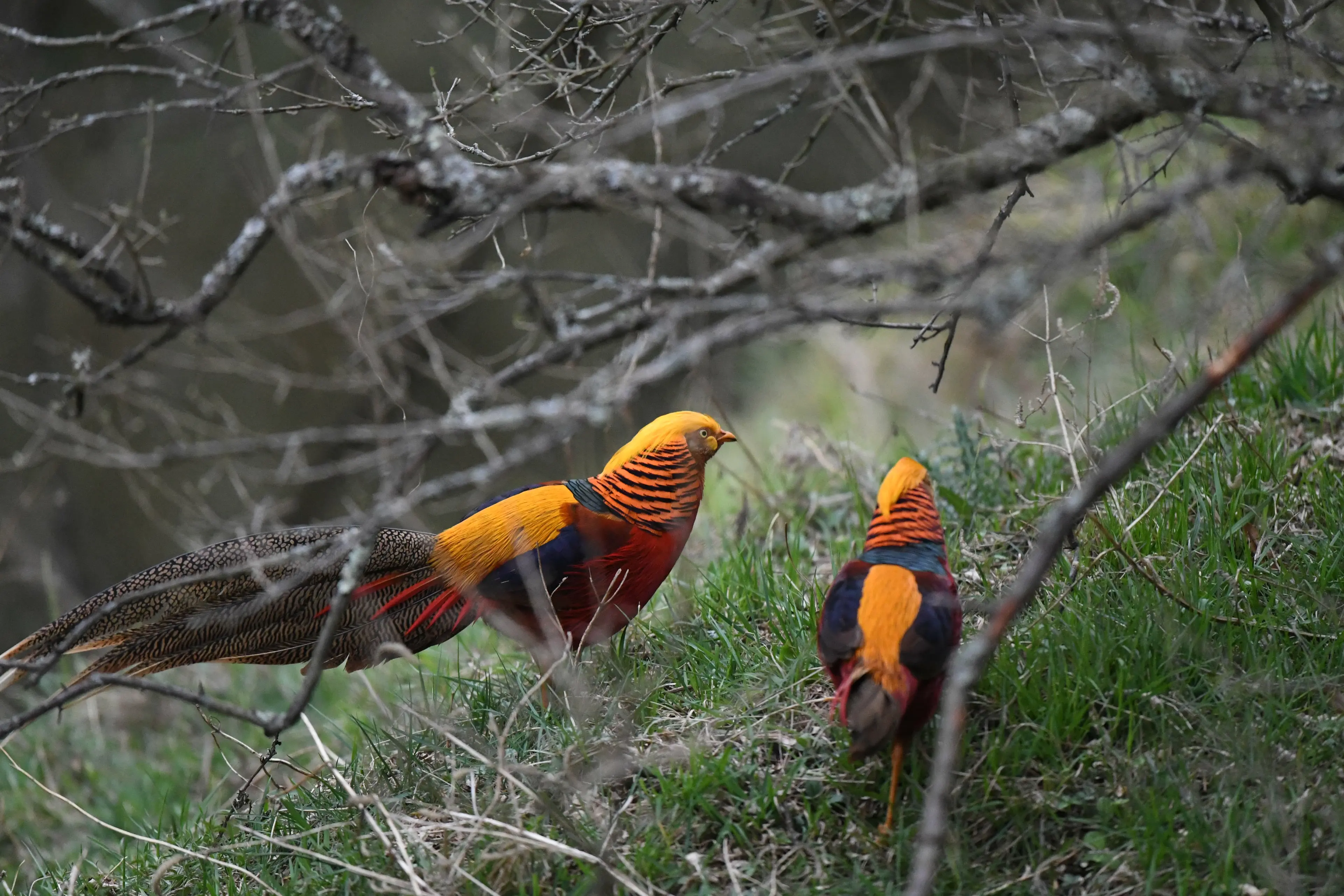
Devote two full days to the forests and valleys of Tangjiahe, exploring different trails and wildlife-viewing areas with an experienced guide and local ranger. Possible encounters include Sichuan takin, golden snub-nosed monkey, Asiatic black bear, Tibetan macaque, golden pheasant, Chinese goral, serow, muntjac, otter, and other forest species. When conditions allow, an evening walk may reveal nocturnal wildlife around the lodge.
Day 5
Leave Tangjiahe and depart to Golden Monkey Reserve on a relaxed overland journey. Depending on timing and local conditions, pause for light birding, landscape photography, or a brief cultural stop en route.
Day 6
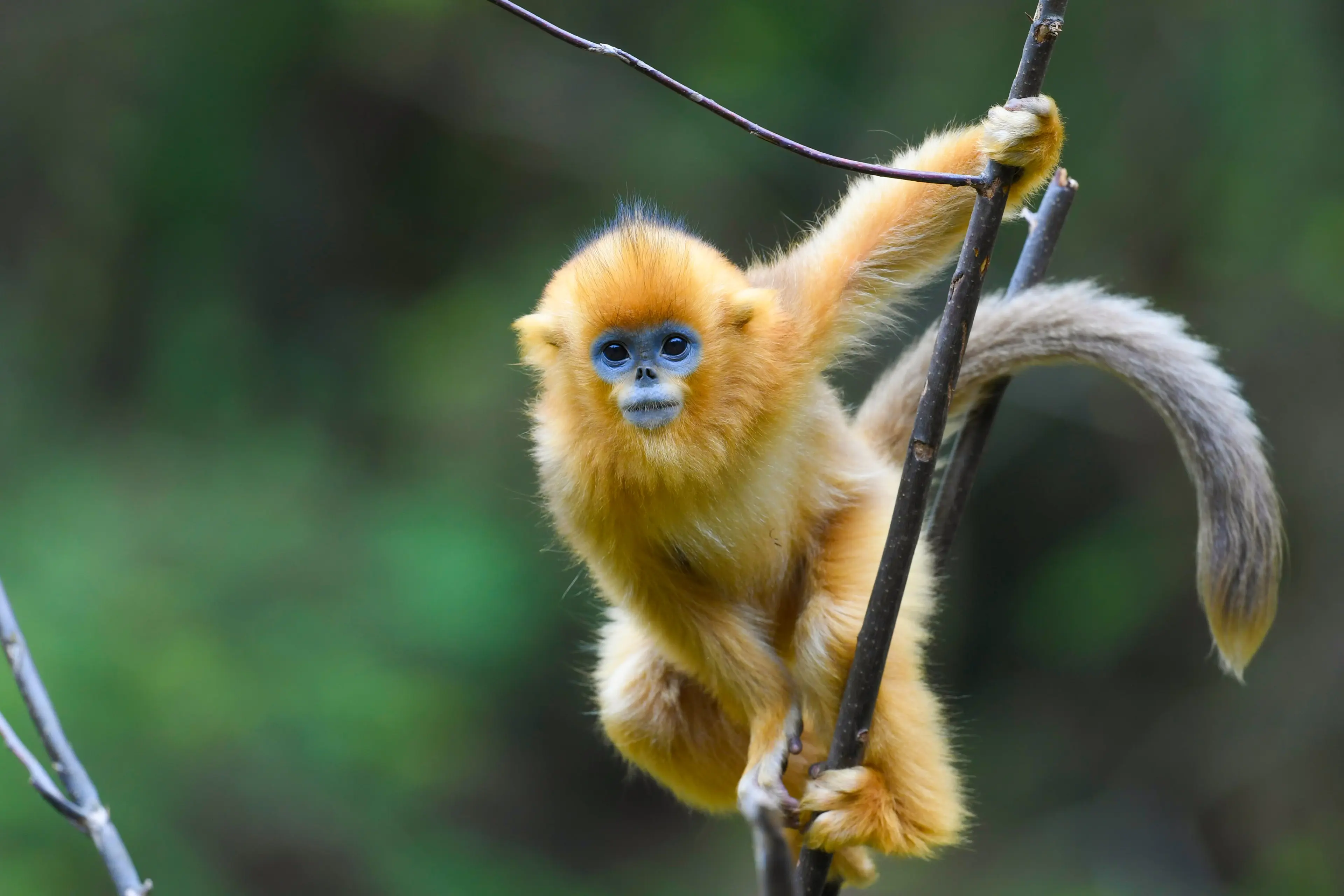
Leaving the reserve, we drive toward Jiuzhaigou Valley. After lunch we visit a second golden monkey reserve, set aside for observation and photography. Find a vantage point, hold still, and wait quietly — sightings are never guaranteed, but the reward is a far better photograph.
Day 7
Spend the day inside Jiuzhaigou National Park, a UNESCO-listed landscape of clear alpine lakes, tiered waterfalls, forested valleys, snow-capped peaks, and Tibetan villages. Follow the park's scenic routes at an unhurried pace, leaving time for photography, birdwatching, and the changing reflections and colors that have made the valley one of China's most celebrated natural destinations.
Day 8
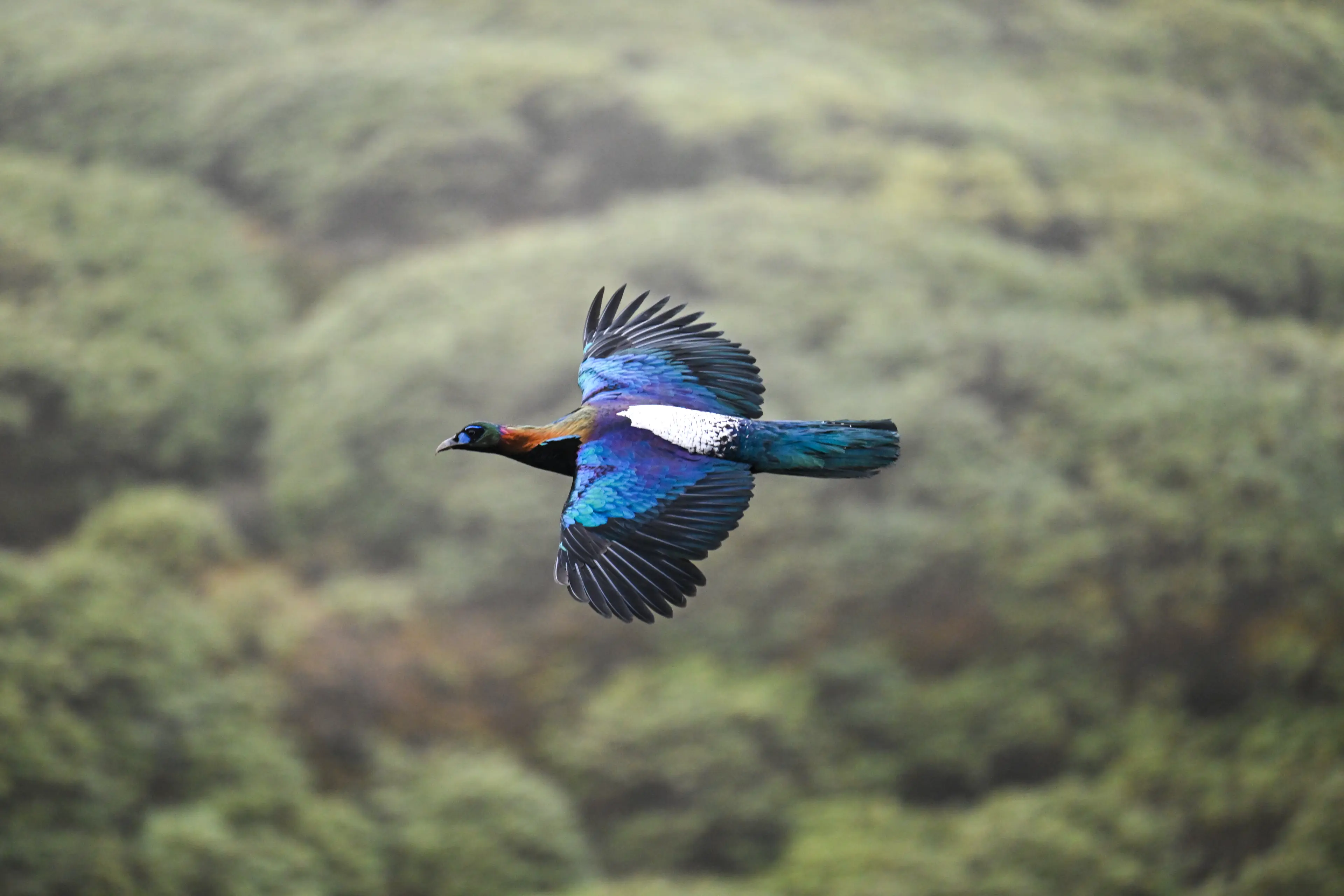
Travel from Jiuzhaigou toward the edge of the Tibetan Plateau, scanning a succession of forest, wetland, and open grassland habitats. Possible wildlife along the route includes blue eared pheasant, black-necked crane, ruddy shelduck, Himalayan marmot, Tibetan gazelle, wolf, and other plateau species. After arriving in Diebu, begin the first search for wild Sika deer in the reserve.
Day 9
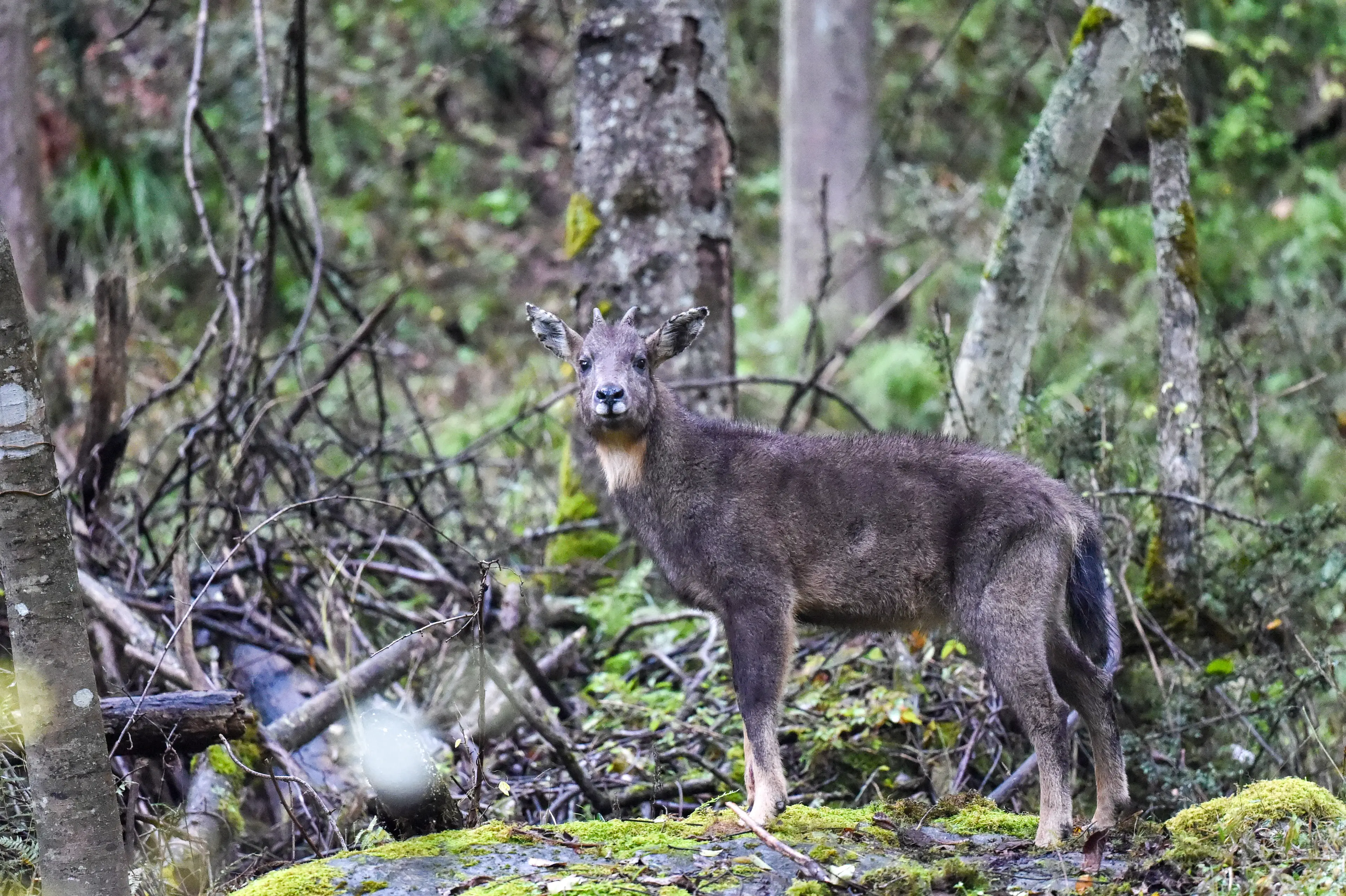
Return to Tiebu Sika Deer Nature Reserve in the morning, searching the forest edges, village slopes, and farmland where deer and local Tibetan communities have coexisted for generations. The layered landscape of conifer forest, traditional villages, fields, and grazing livestock creates rewarding opportunities for both wildlife and environmental photography. Later, continue to Ruoergai while watching for animals across the plateau.
Day 10-11
Use two full days to explore the varied habitats of Ruoergai, from open grasslands and wetlands to lakes and forested plateau edges. Field time is shaped around the best available conditions and may bring opportunities for Pallas's cat, Tibetan fox, Himalayan marmot, black-necked crane, blue eared pheasant, blood pheasant, saker falcon, lammergeier, Himalayan griffon, and other highland wildlife. The flexible pace allows time to wait, observe, and photograph natural behavior.
Day 12
Leave the high grasslands and travel south through Songpan Ancient Town, once an important military station and trading post on the Tea and Horse Route. Its streets reflect the meeting of Tibetan, Han Chinese, and Muslim traditions. Continue along the Minjiang River through the heartland of the Qiang people before arriving in Wenchuan.
Day 13
Drive to Wolong Panda Base in the morning, set within the wider mountain habitat of the giant panda. Its cooler natural setting and lighter visitor numbers often provide comfortable viewing and good opportunities to observe pandas of different ages, including active young animals. After the visit, return to Chengdu for the final night of the journey.
Day 14
Enjoy breakfast before your guide escorts you to Chengdu Airport for your onward flight. The scheduled AbsolutePanda journey concludes with assistance for departure.
This 14-day safari combines forest walks, park sightseeing, roadside wildlife searches, and several overland transfer days of roughly three to six hours. Field schedules may begin early or remain flexible to follow wildlife activity and weather conditions.
The route rises from Chengdu at about 500m to Ruoergai at about 3,400m. The published trip notes that remote high-altitude travel may not be suitable for guests with cardiovascular or cardiopulmonary concerns, so travelers should seek medical advice before joining.
All encounters are with free-ranging wildlife and cannot be guaranteed. A wild giant panda sighting is possible but very unlikely; the main value of the forest section is understanding authentic panda habitat and its companion species. Guides maintain safe distances from potentially dangerous animals such as takin and Asiatic black bear.
A few practical questions travelers ask before sending an inquiry.
Plan Your Journey
On Request
Share your travel dates, pace preference and main interests, and we can shape this Sichuan route around wildlife, cultural sites, mountain scenery and the time you have available.